Best Optilogic Alternatives for Supply Chain Network Design & Planning
Teams usually start looking at Optilogic alternatives when their network design work moves from an occasional project to a repeatable business cadence. At that stage, ease of use, data management, solver speed, and cost predictability matter more than a feature list.
Leaders want to understand whether costs will stay predictable as scenario volume grows, whether the platform can support tactical planning in addition to longer-term design decisions, and how much internal effort it takes to keep models, data, and workflows running smoothly as requirements change.
And can users get handy with the tool without learning Python?
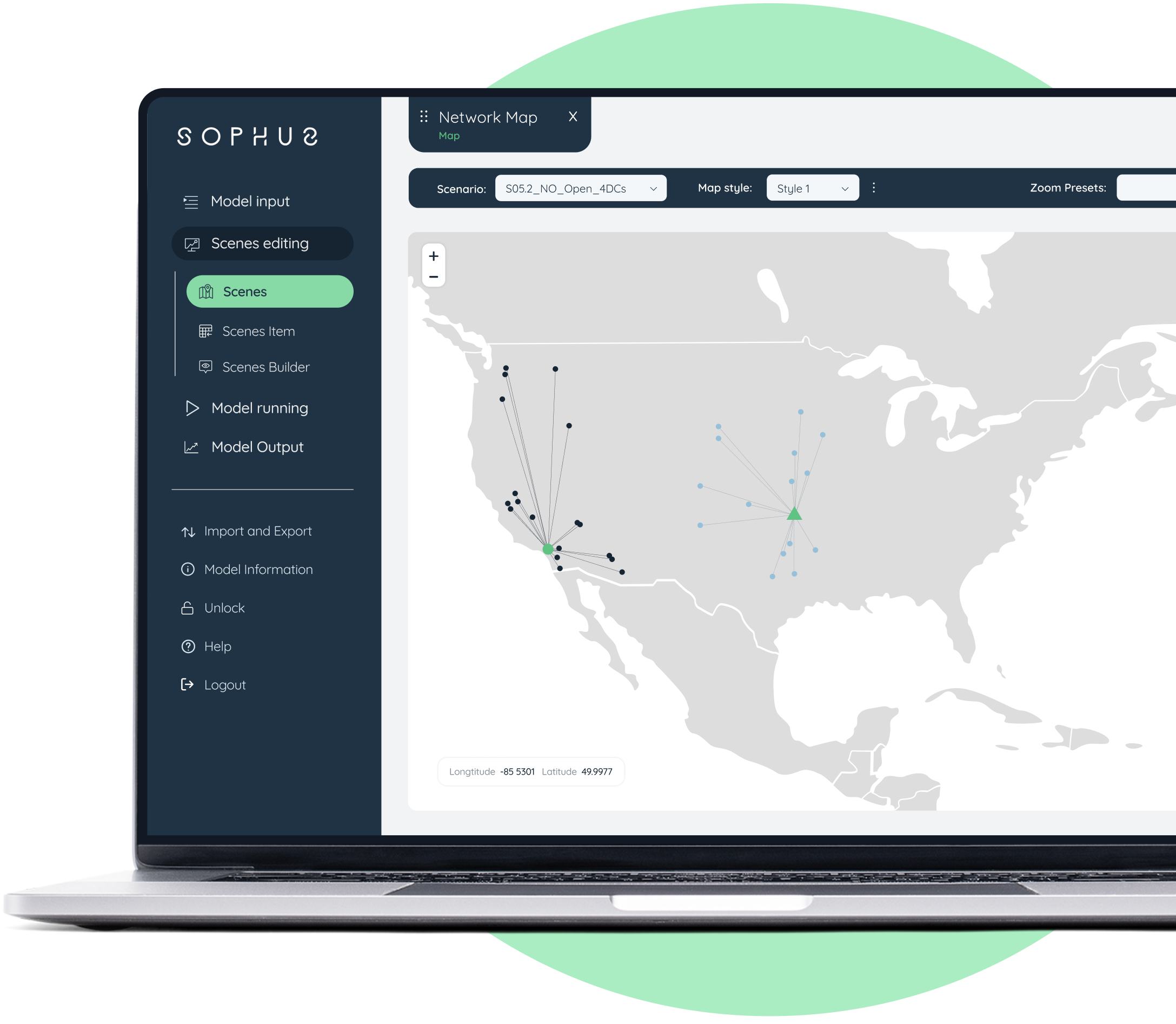
Sophus comes to be one of the best Optilogic alternatives because it supports both tactical and strategic planning in one environment, keeps pricing simpler by avoiding solve-based usage fees, and provides structured support that scales with enterprise teams.


With Sophus, teams typically save 80%-90% of the time they previously spent building models, cleaning data, and aligning changes across spreadsheets or disconnected tools.
That efficiency becomes more noticeable as planning cycles become more frequent and scenario volume increases
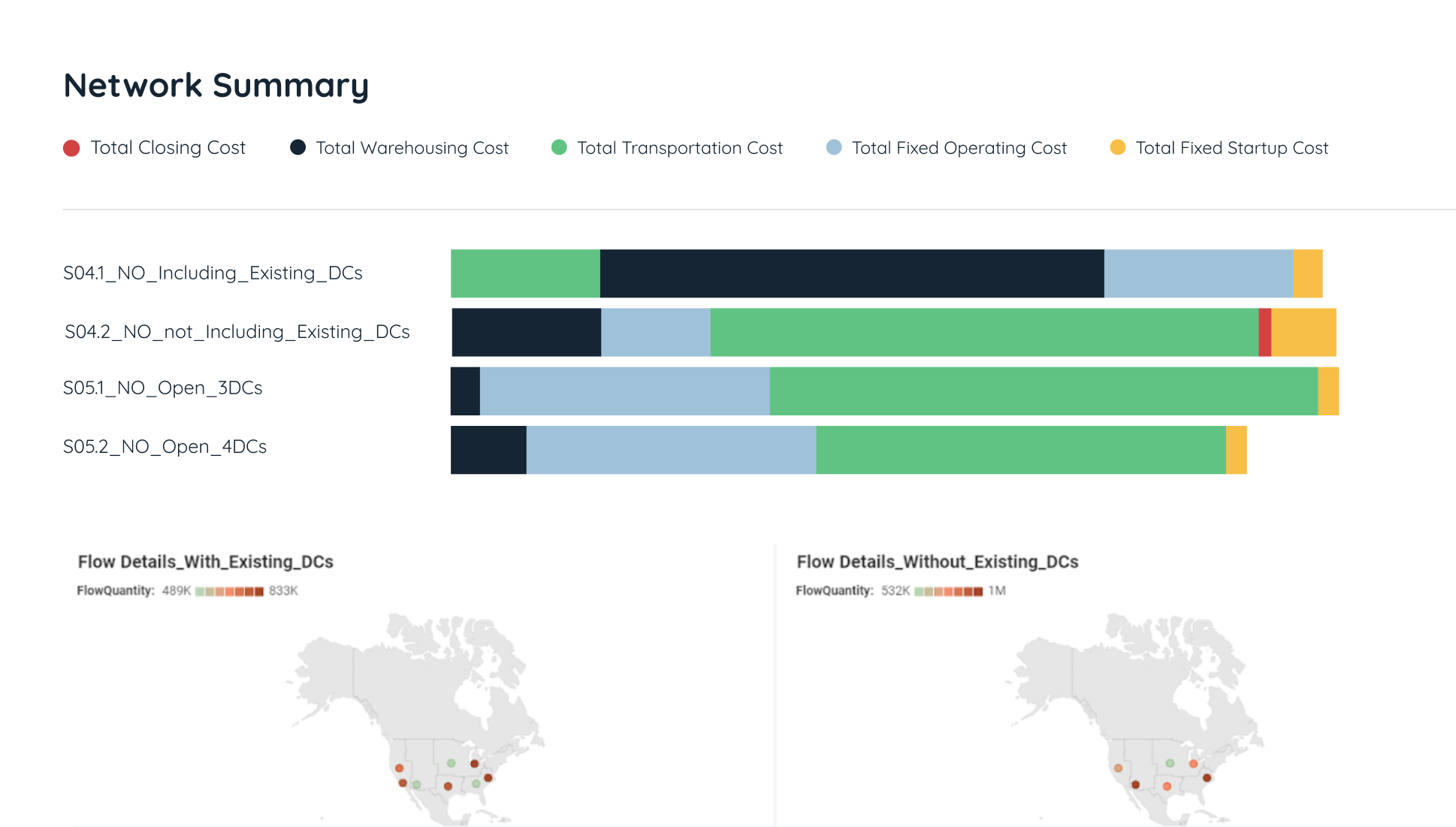
Sopuhs vs Optilogic: Why Sophus Excels Compared to Optilogic
- Built-In Data Automation and Geospatial Capabilities
- Performance and Scalability for Large Models
- Predictable Pricing & Scalability
- Real-World Accuracy: Real Roads, Not Straight Lines
- User Experience Designed for Business users, Not just scientists
- Scenario Modeling That’s Easier to Work With
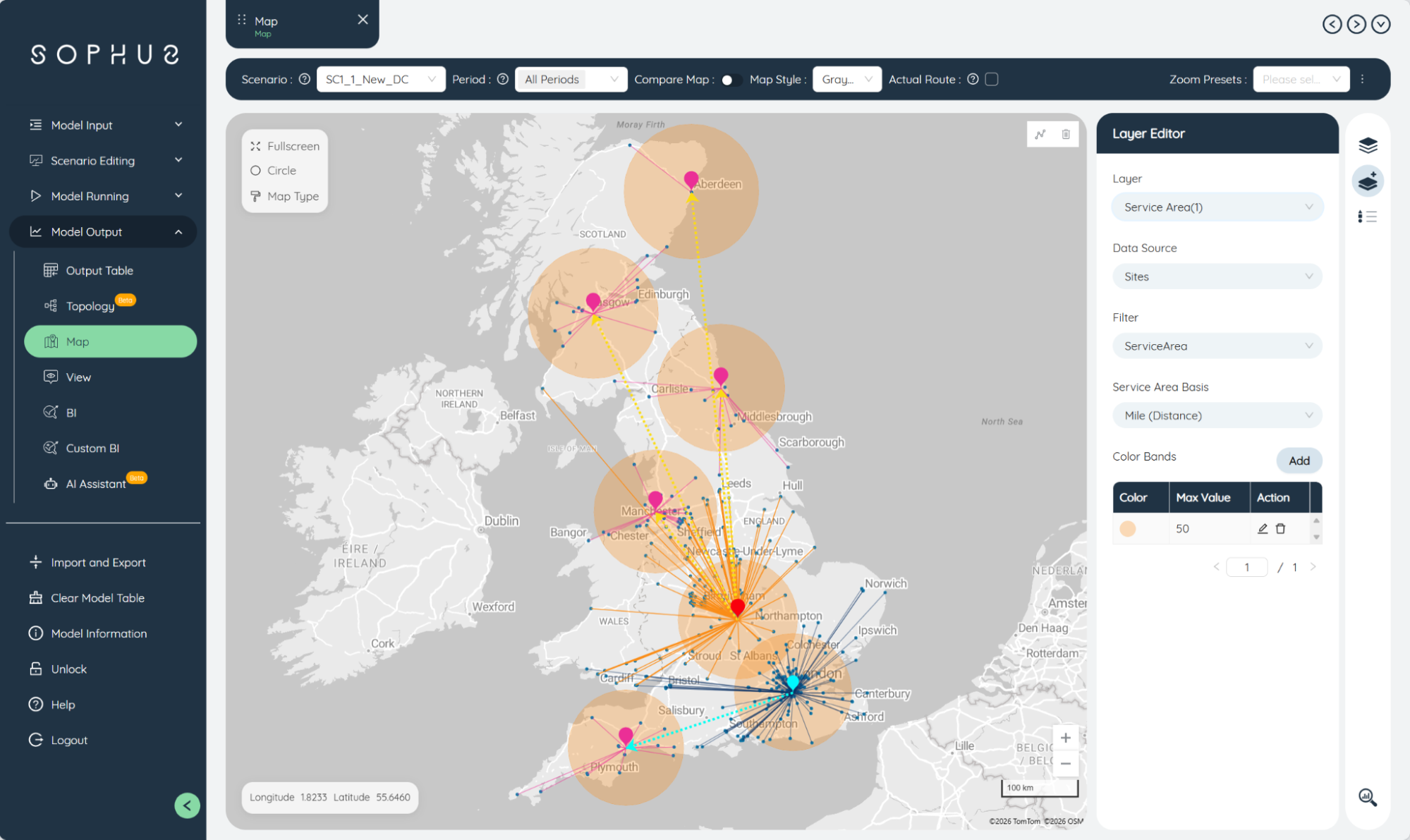
Sophus includes built-in cloud ETL and strong geospatial mapping capabilities, reducing manual data preparation and enabling clearer network visualization.
While Optilogic can support similar needs, it often requires more configuration or custom expressions.
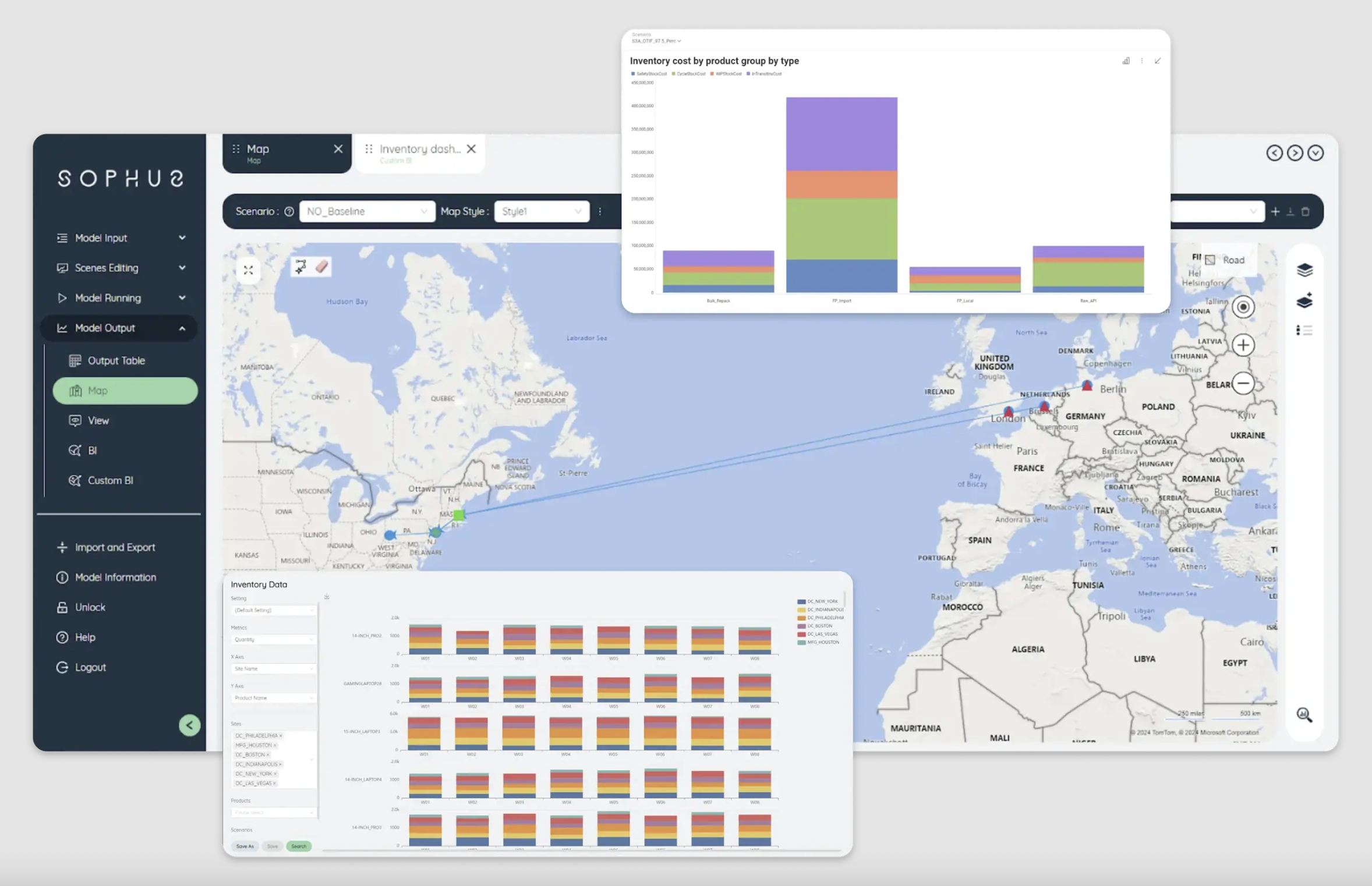
Optilogic relies heavily on Python-based modeling, which offers flexibility but can struggle with massive datasets or model size. .
Sophus uses modern mathematical languages and database technologies to deliver up to 20 times faster solves and better performance as data volume and scenario complexity increase.
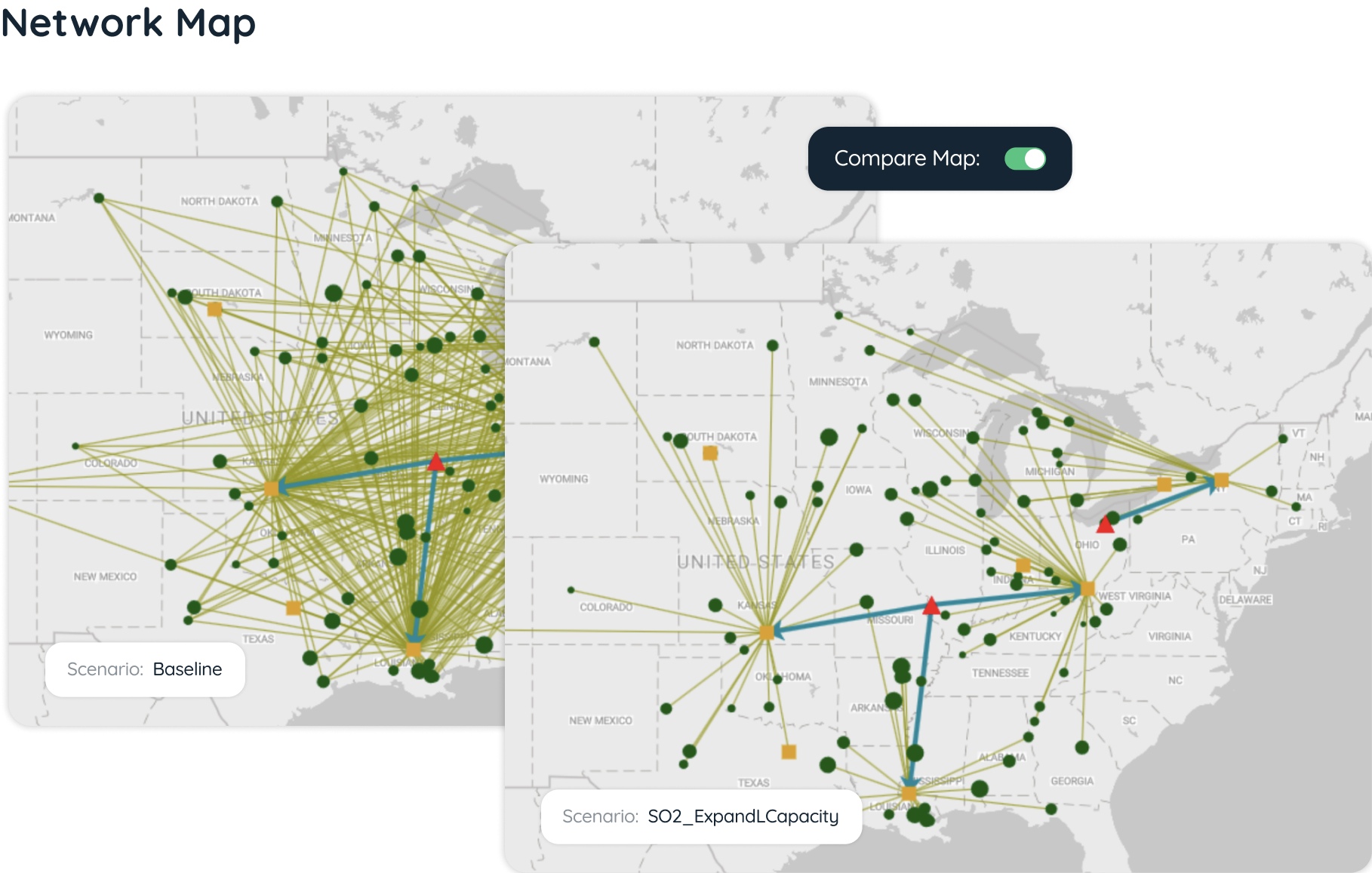
Sophus operates on a transparent SaaS subscription model that includes unlimited cloud compute time and storage.
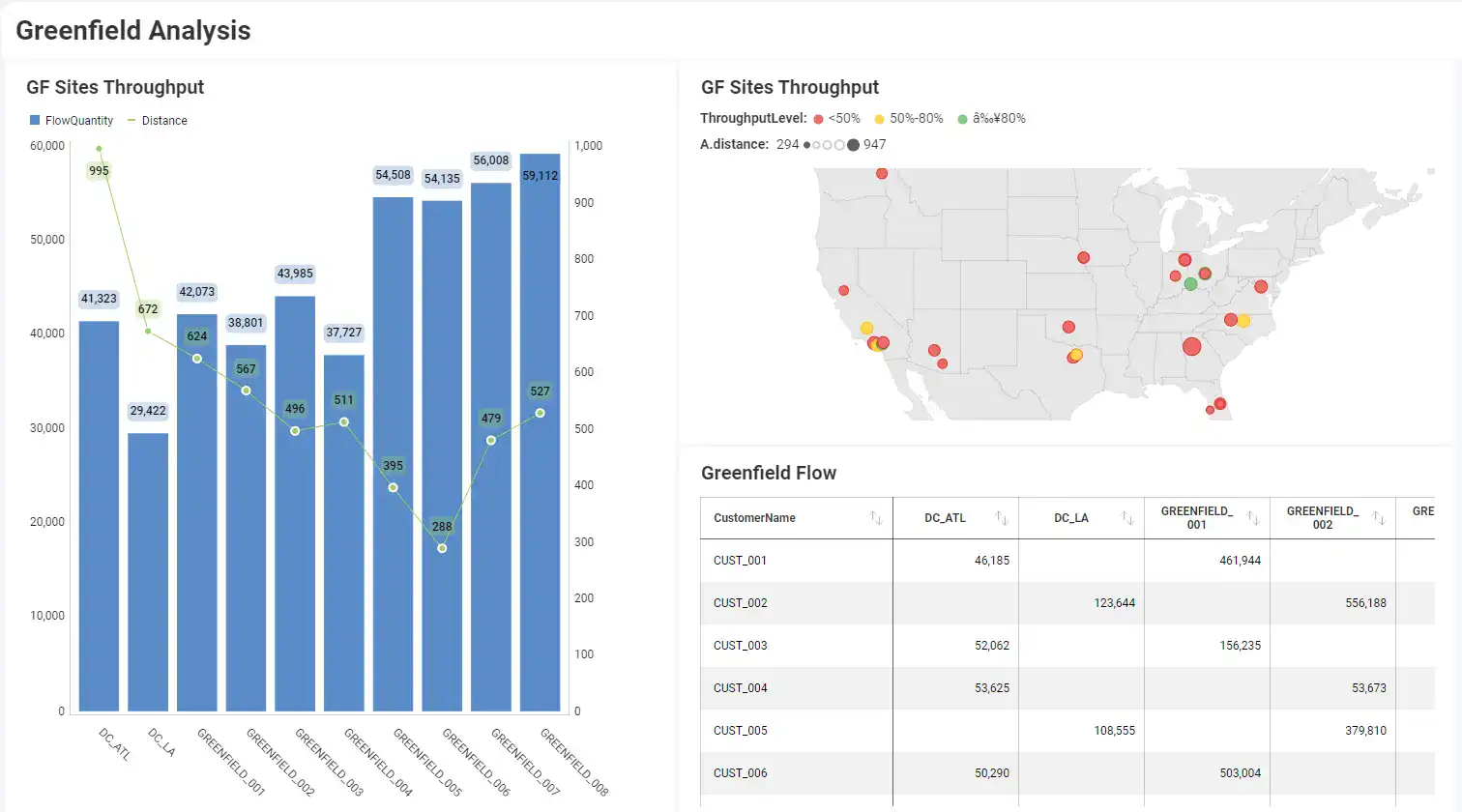
Sophus differentiates itself by integrating real-road routing into both Network Design and Greenfield analysis.
The main perk is instead of relying on “as-the-crow-flies” estimates, Sophus calculates accurate transport distances and drive times using actual road networks.
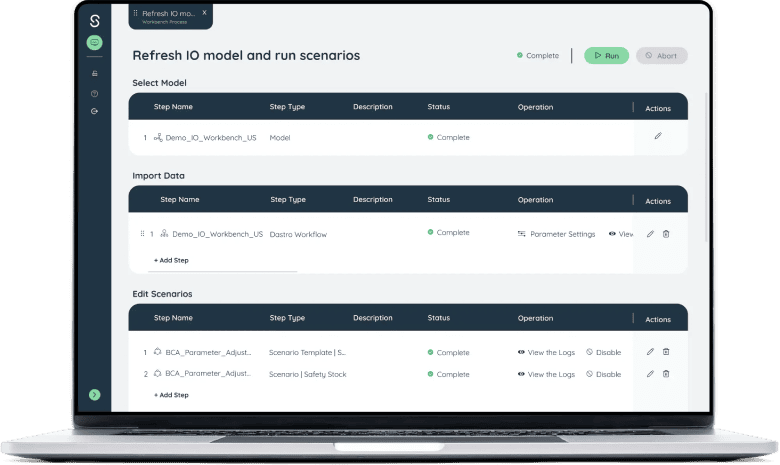
Optilogic often requires coding to unlock advanced workflows and can feel less approachable for non-technical users.
Sophus emphasizes a highly intuitive user experience, with guided inputs, validation checks, Excel-friendly workflows, and simple exports that make results easier to review and share.
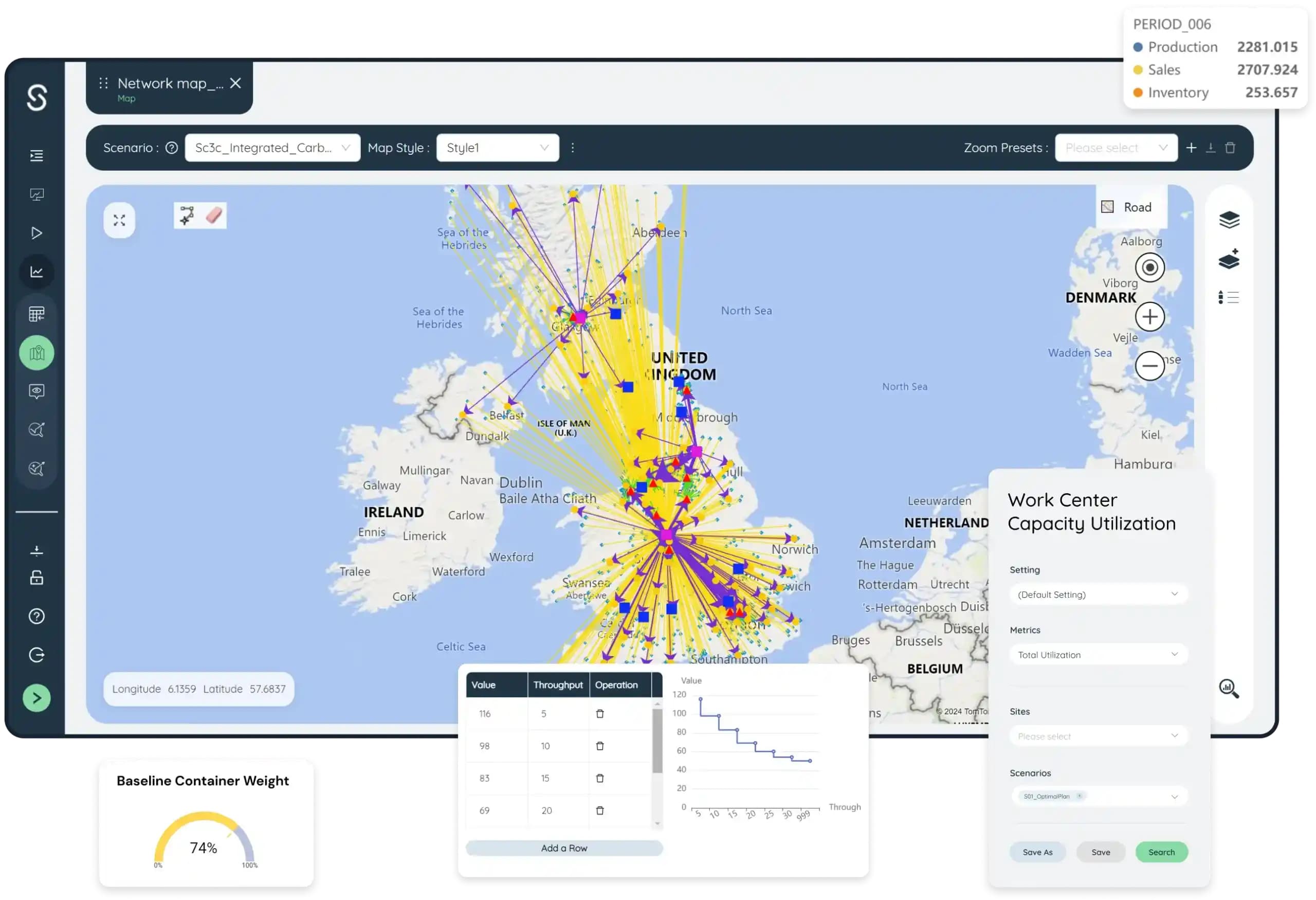
Both platforms support scenario analysis, but Sophus is designed to make it easier to create, copy, and compare scenarios across models.
Teams can run quick what-ifs, reuse assumptions, and explore alternatives without heavy reconfiguration or coding.
Considering Optilogic alternative?
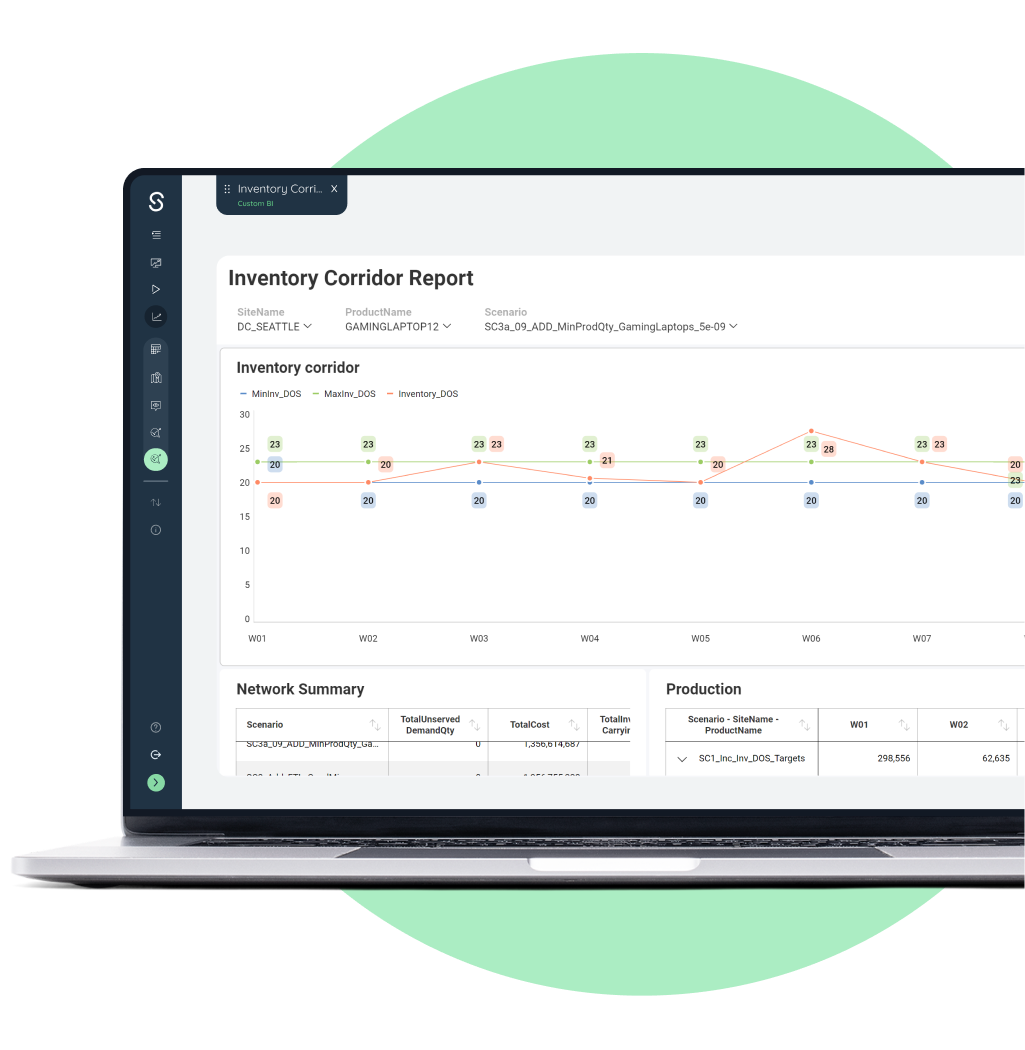
Sophus moves beyond standalone simulation or network design by unifying network design, inventory, production, replenishment and transportation decisions in one scalable, high-performance platform.
Who Should Stay in Optilogic
(And Who Shouldn’t)
Who Should Stay in Optilogic (And Who Shouldn’t)

Optilogic may still fit if teams:
- Are running a one-time network study or infrequent analysis
- Are working with smaller datasets where solve time and memory constraints are not bottlenecks
- Mainly focus on network optimization and simulation only
- Are comfortable with coding-driven workflows for advanced modeling

Sophus is better fit if teams:
Need to solve complex supply chain models with millions of variables. Sophus solves up to 20x faster than Python-based alternatives.
Require a single platform that unifies Network Inventory, production, replenishment and Transportation decisions.
Want to scale without overhead: You want to scale scenario analysis without adding technical debt or incurring solve-based usage fees.
Experience Sophus
Sophus: A Modern Foundation for Supply Chain Design Decisions
Sophus is the premier alternative to Optilogic for teams that need to scale network design from an ad-hoc project into a repeatable business process and enjoy a better, user-friendly experience for everyday network design work.
The result is straightforward, with teams spending less time managing configurations and more time making confident network decisions that improve cost, service, and resilience.
Ready to make the switch?