Best Blue Yonder Alternative for More Agile Supply Chain Management
When teams explore Blue Yonder alternatives, the motivation is often less about capability gaps and more about day-to-day practically.
Blue Yonder is a massive enterprise platform with broad planning and execution coverage, but some organizations find the overall experience heavy, especially when it comes to cost, usability, and speed to answer.
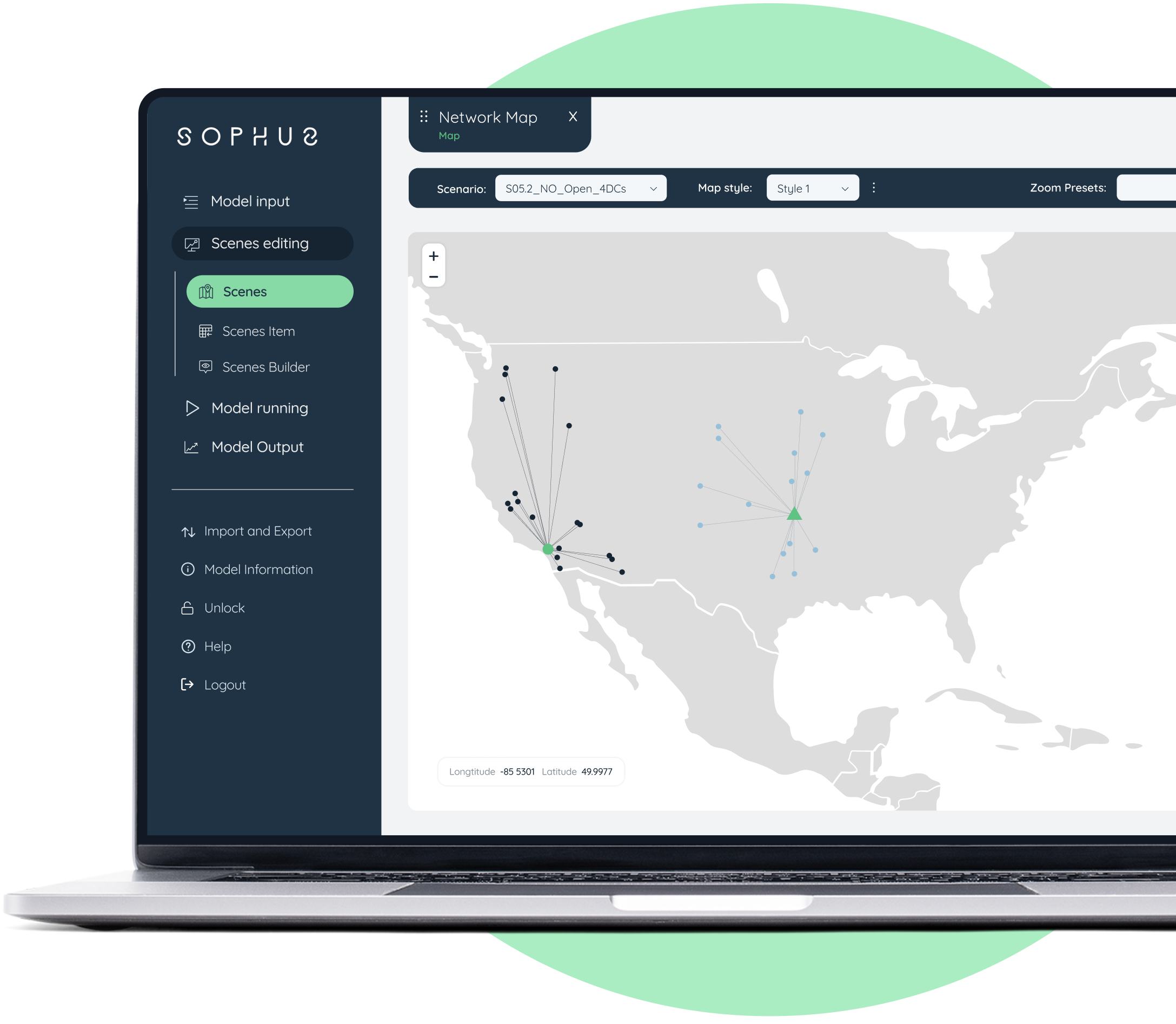
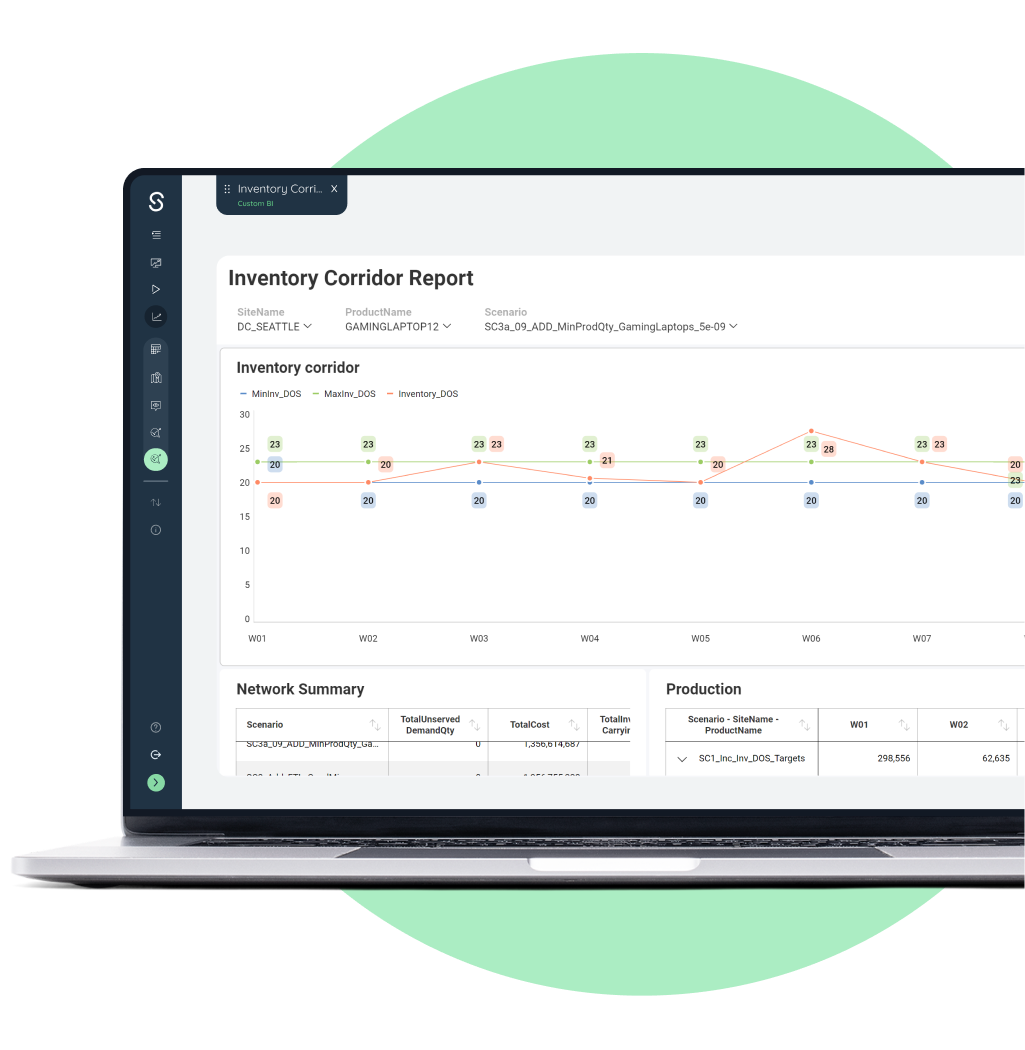
Sophus is considered the Best Blue Yonder alternative by teams looking for a more modern and flexible appproach to supply chain design and planning. Built as a cloud-native platform, Sophus X Offers a user-friendly, drag-and-drop interface that simplifies Supply chain modeling and scenario analysis.


With built-in data automation, it reduces manual data cleaning and accelerates deployment—helping teams reach decisions faster than with large, legacy-based systems.
While Blue Yonder remains a well-established leader with a broad execution and planning suite, many organizations prefer Sophus X when they need a more streamlined and agile platform focused on Supply Chain network design and decision intelligence.
For specialized planning and design use cases, Sophus delivers clarity, speed, and ease of use without the overhead that often comes with traditional enterprise platforms.
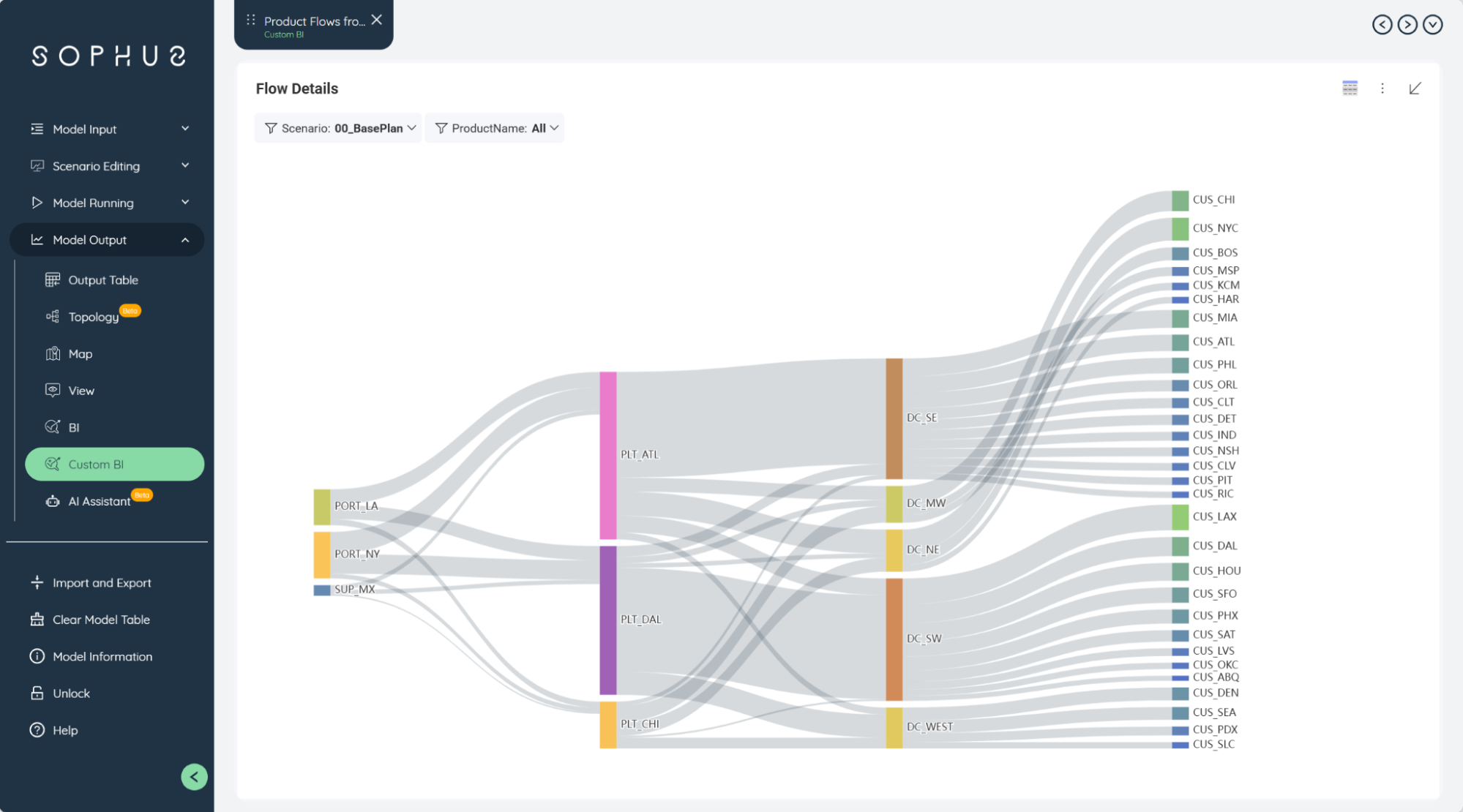
Why do Network Design Teams Choose Sophus Over AIMMS?
- Modern User Experience Built for Real Adoption
- Design-to-Plan Integration (Continuous vs. Static)
- Faster Deployment and Quicker Time to Value
- Specialized Focus on Network and Inventory Optimization
- Integrated Data Automation
- More Affordable and Predictable Cost Structure
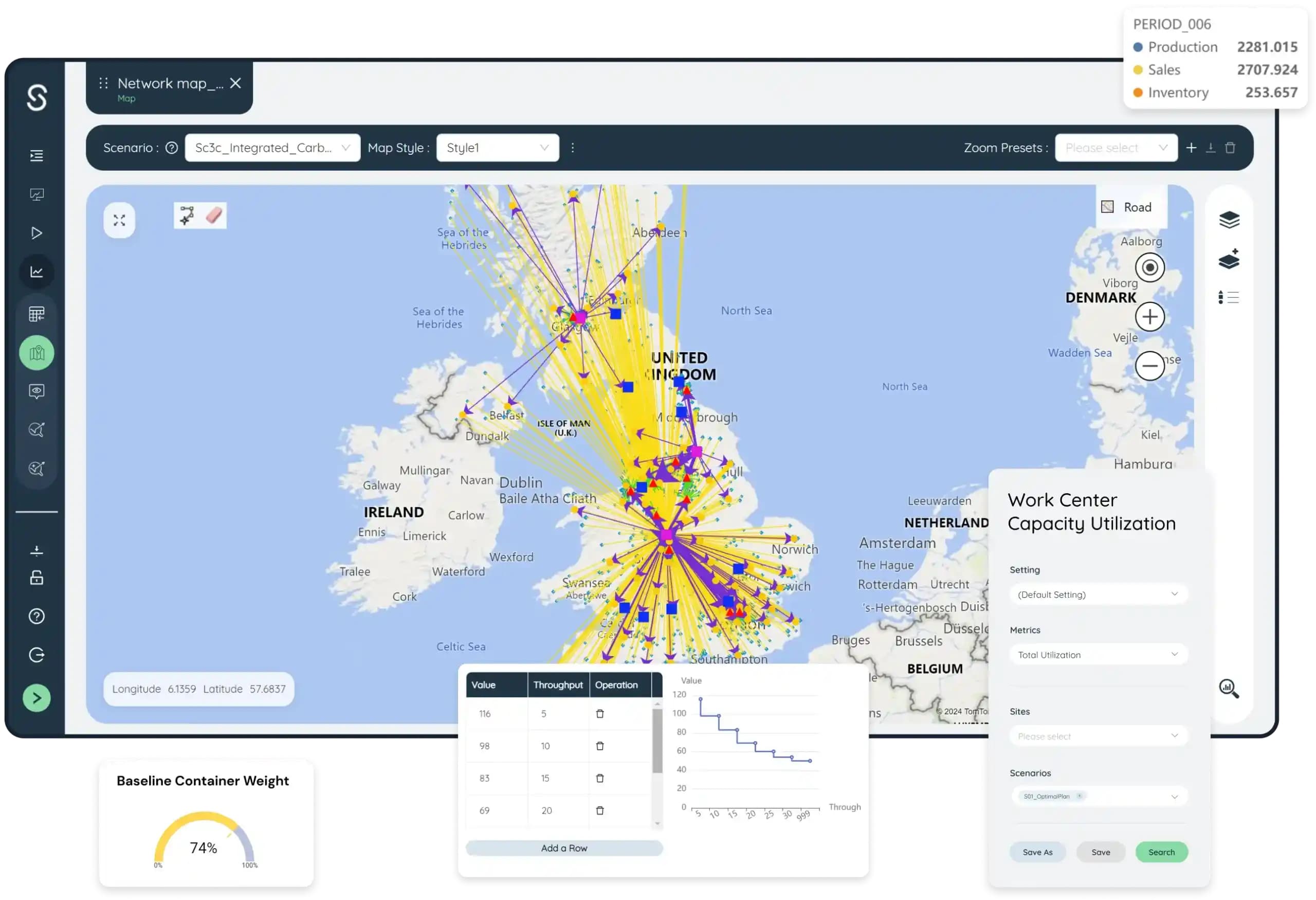
Blue Yonder’s interface can feel outdated and complex, especially when multiple modules are involved.
Sophus offers a modern, intuitive UX that makes it easier for planners and decision-makers to explore scenarios and understand trade-offs. This reduces training time and improves day-to-day adoption across teams.
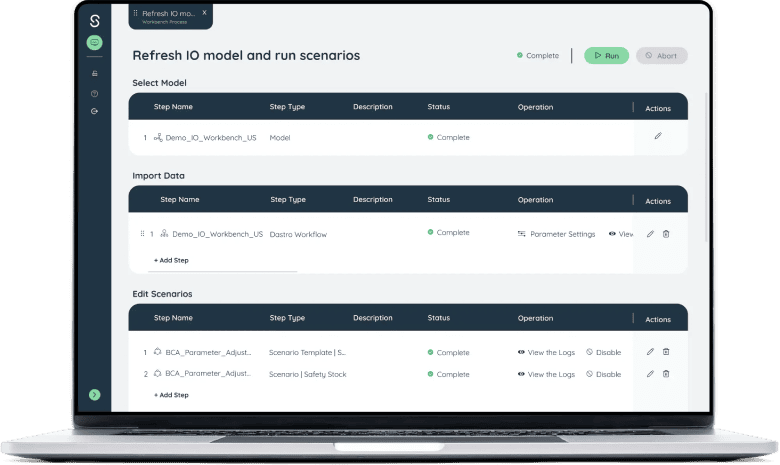
Blue Yonder often locks supply chain network setup into infrequent, static project cycles.
Sophus treats network design as a continuous business process. It connects network design directly to inventory and planning decisions, allowing teams to move seamlessly from strategic design to operational planning.
This makes the platform better suited for frequent re-planning as conditions change.
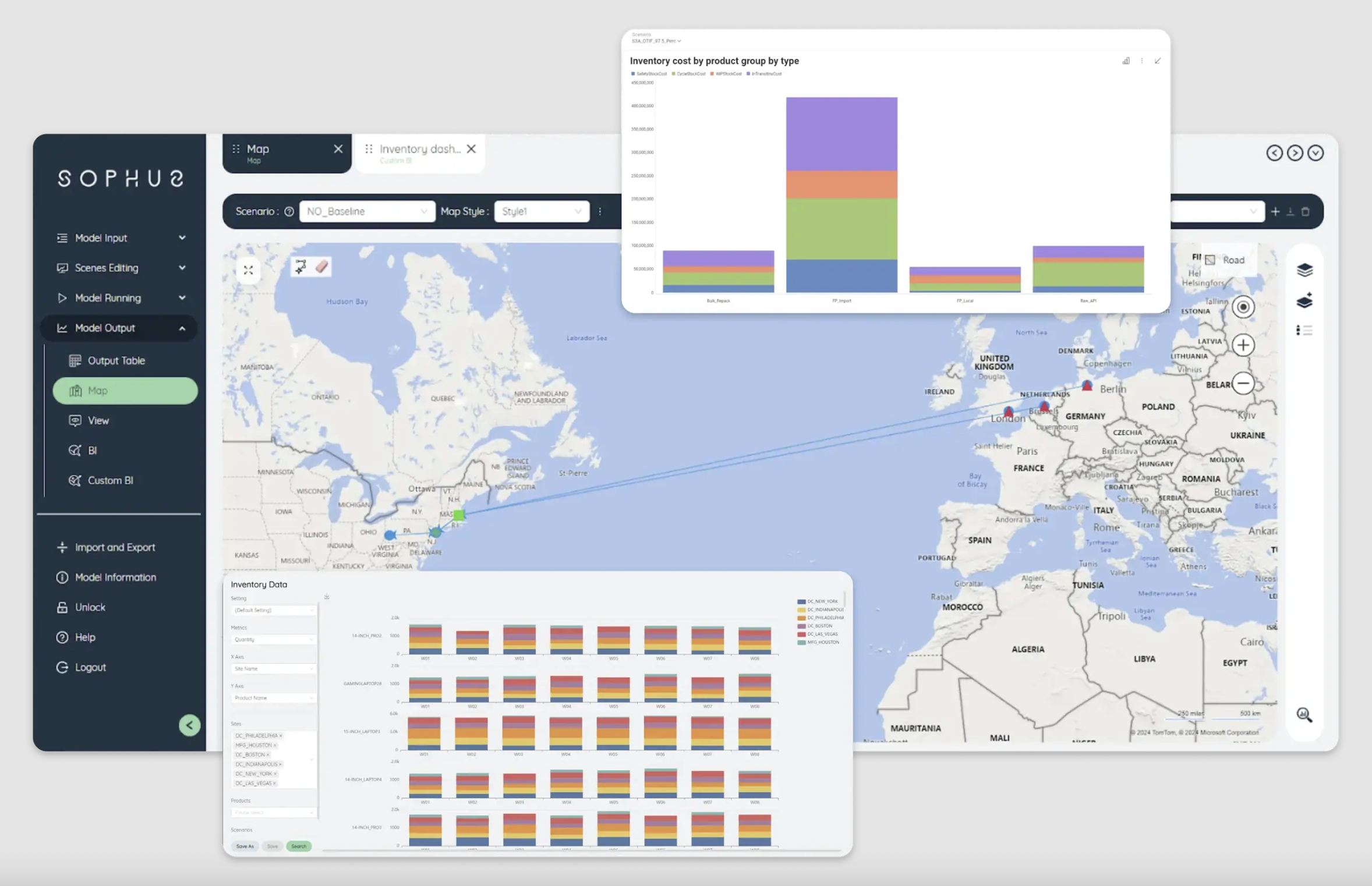
Implementing large enterprise platforms like Blue Yonder can take years of coordination.
Sophus is designed for fast deployment, helping teams build models and run scenarios quickly. This allows organizations to start seeing value in days or weeks rather than months.
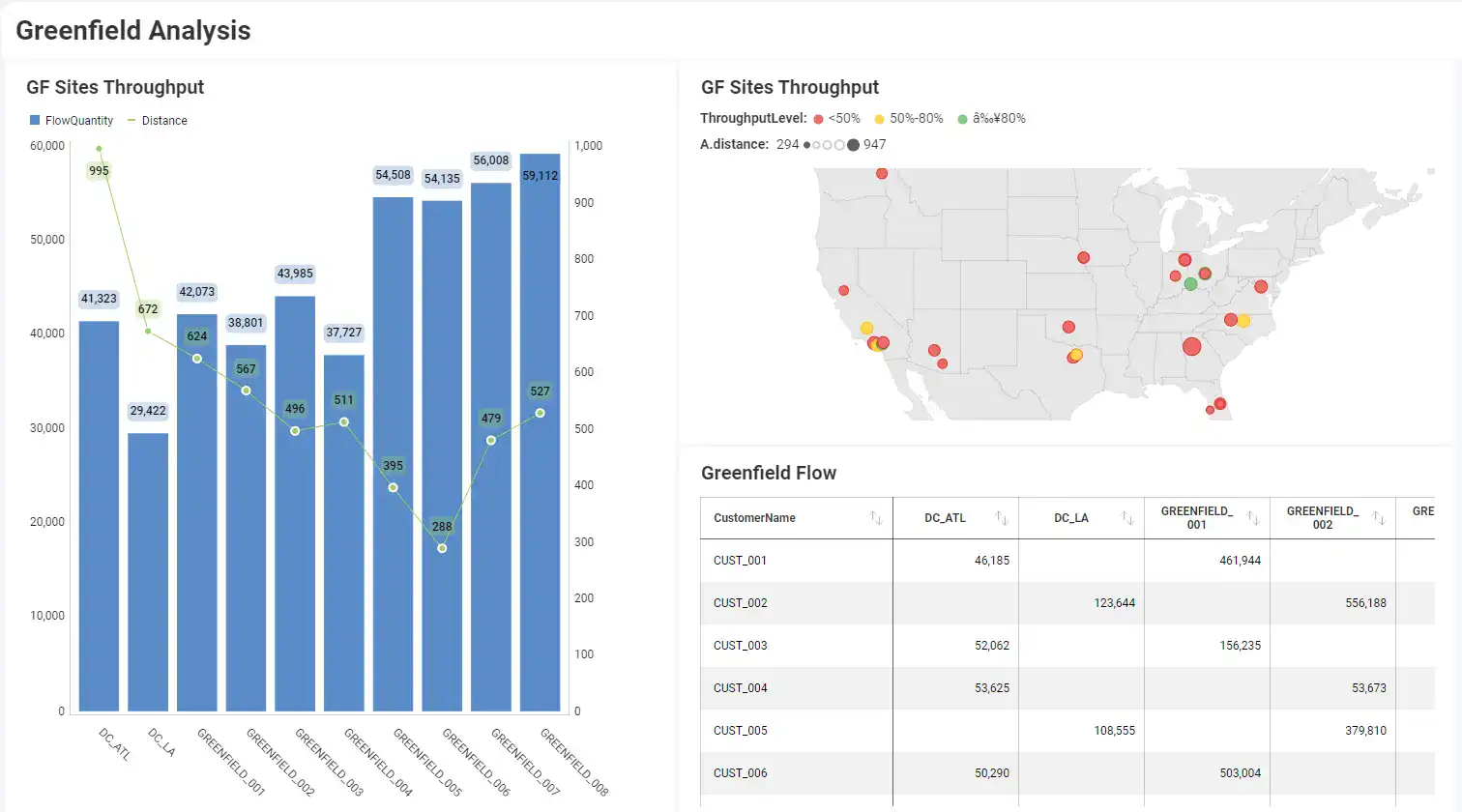
Blue Yonder covers everything from warehouse labor management to transportation execution.
Sophus is purpose-built for Design and Decision Intelligence. allowing teams to go deeper into these use cases without the distraction of transactional execution features.
This focus leads to clearer insights and more actionable outcomes.
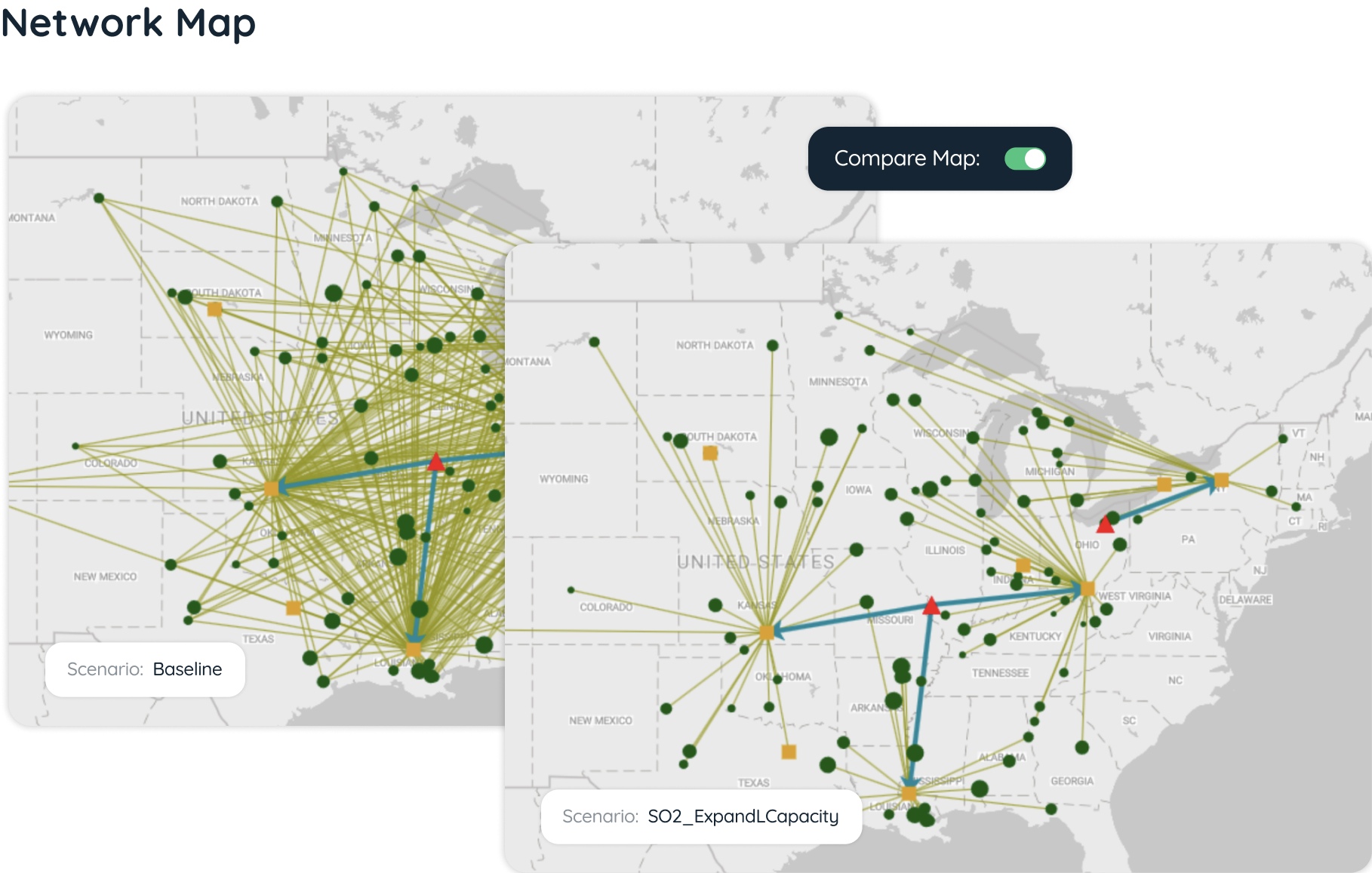
Sophus simplifies data ingestion, validation, and updates through built-in automation.
This makes it easier to refresh models and run new scenarios as data changes. Teams spend less time preparing inputs and more time evaluating decisions.
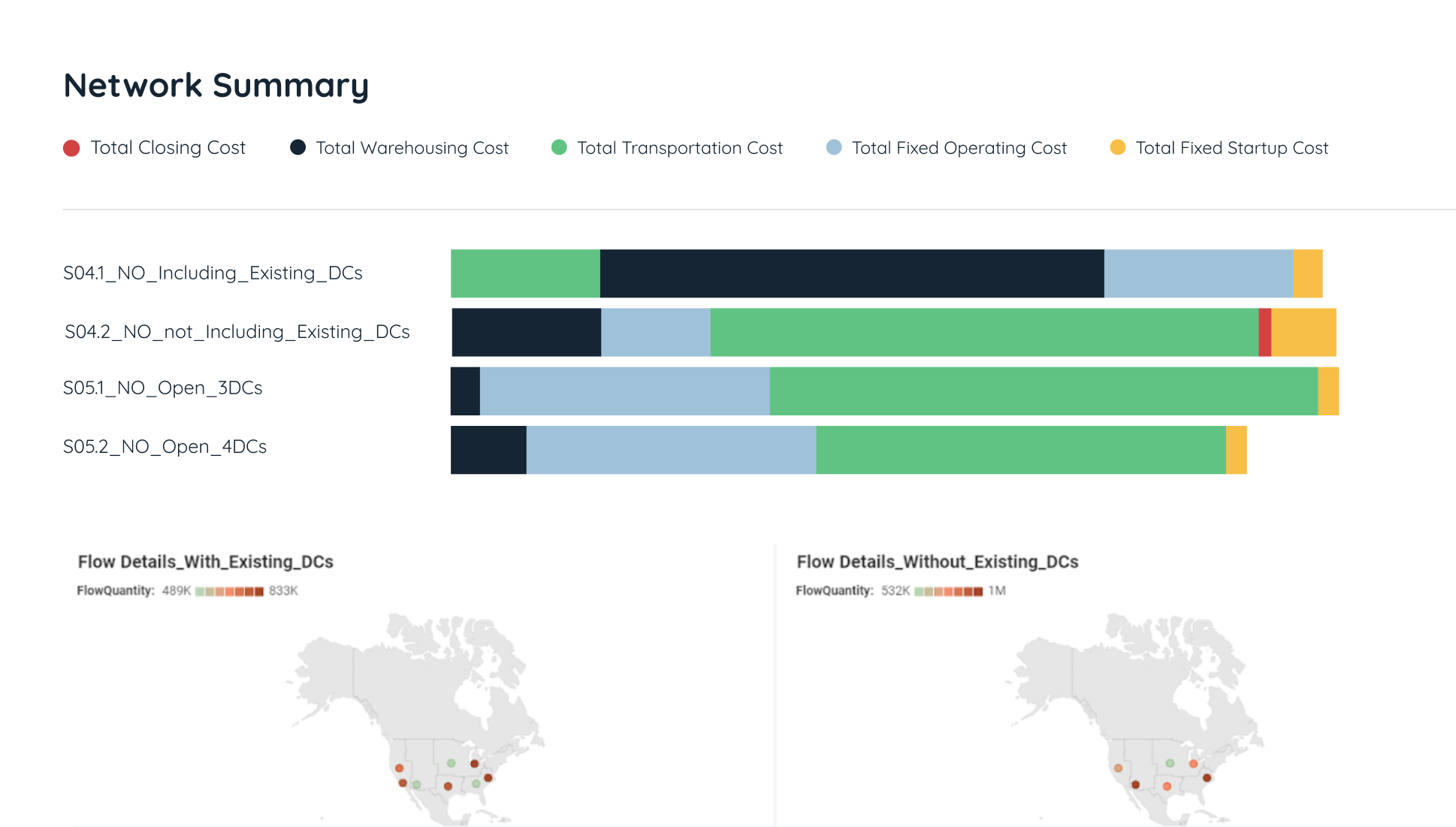
Blue Yonder is often associated with high costs and complex pricing, especially when multiple modules are required.
Sophus offers a more affordable and transparent pricing approach. This helps organizations control total cost of ownership while scaling usage over time.
Considering Blue Yonder alternatives?
Sophus X provides a more nimble and rapid solution specifically for supply chain network design and optimization.
Who Should Stay in Blue Yonder
(And Who Shouldn’t)
Who Should Stay in Blue Yonder (And Who Shouldn’t)

Blue Yonder may still fit if teams:
- Need execution, not just design and decision intelligence. You require a transactional system that runs daily warehouse operations (WMS) and transport execution (TMS), while Sophus focuses on network design, optimization, and planning rather than live execution.
- Plan in static cycles. Your organization treats supply chain design as an occasional project instead of a continuous decision process that evolves with changing conditions.
- Have extensive internal IT support. You have the resources to manage complex implementations, long rollout timelines, and ongoing system maintenance.
- Accept legacy workflows. Your teams are comfortable with module-driven interfaces where data often needs manual preparation or staging outside the platform before analysis.

Sophus is better fit if:
Want a focused platform for network, inventory, or production optimization — without the complexity of managing a full enterprise suite.
Need speed to value, with measurable impact delivered in days, not months.
Prefer a modern, intuitive user experience that planners and decision-makers can adopt quickly.
Require true design-to-plan agility — bridging the gap between strategic network optimization and tactical planning within a single platform.
Value flexible data handling with built-in automation that reduces manual effort.
Are looking for a more affordable, predictable cost structure that scales with usage.
Experience Sophus
Sophus X: A Modern Alternative to Blue Yonder
Sophus X represents a next-generation approach to supply chain decision intelligence and is widely considered a strong Blue Yonder alternative for organizations seeking speed, flexibility, and clearer outcomes.
While Blue Yonder offers a broad, enterprise-grade suite built over time through multiple acquisitions, Sophus X is designed as a cloud-native, agile platform focused on fast, practical decision-making.
It enables teams to run complex what-if scenarios significantly faster, with built-in data automation and a drag-and-drop interface that reduces manual effort.
Ready to make the switch?