Best Kinaxis Alternatives for Supply Chain Optimization
If you are evaluating alternatives to Kinaxis, the decision often comes down to the fundamental difference between executing a pre-defined plan versus mathematically optimizing your entire supply chain structure to discover what the plan should be.
Kinaxis can only simulate what happens within the confines of those existing rules; it cannot evaluate the end-to-end constraints to optimize the network, change the rules, or tell you how to shuffle things around to make the most optimal decision.
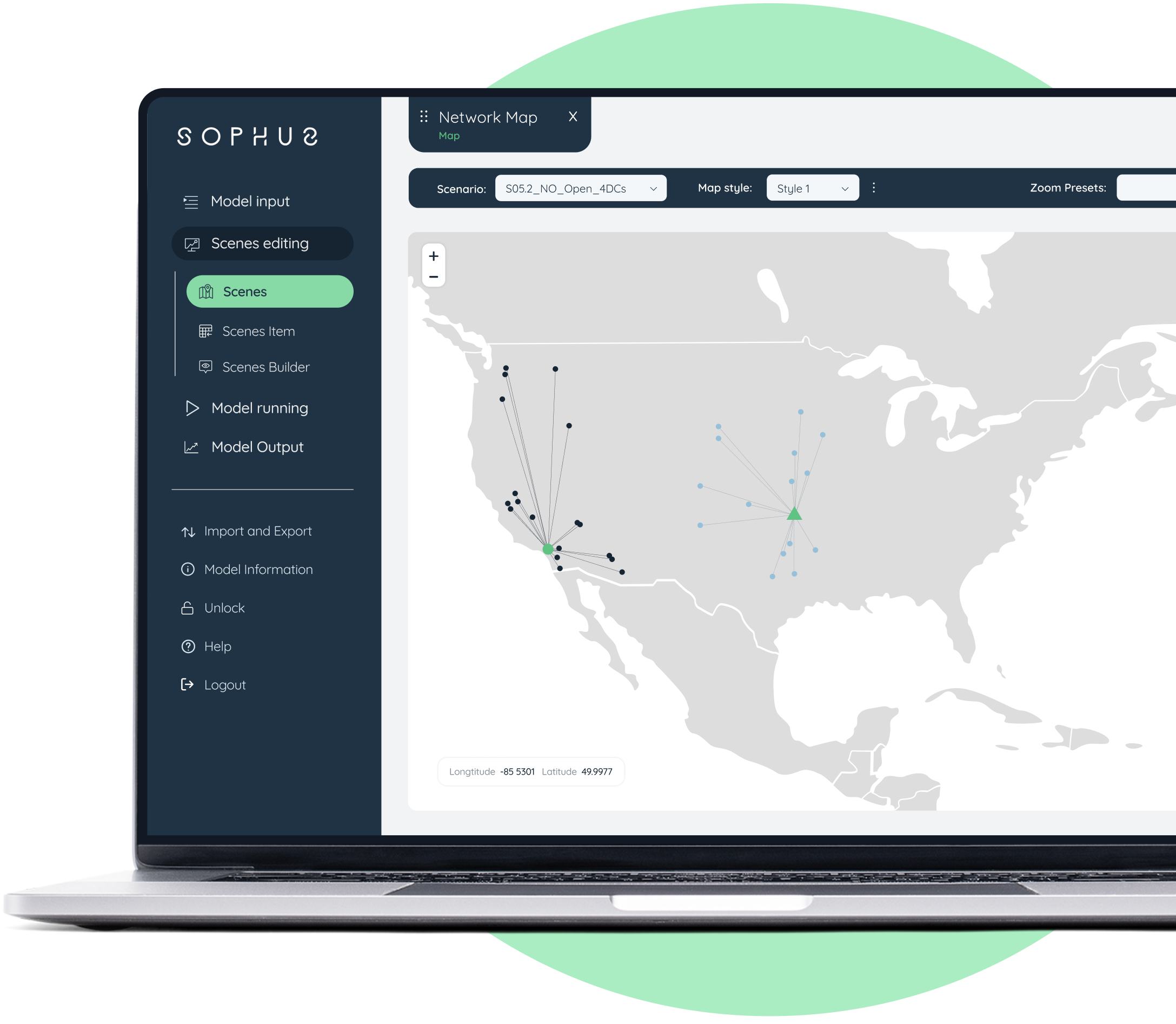
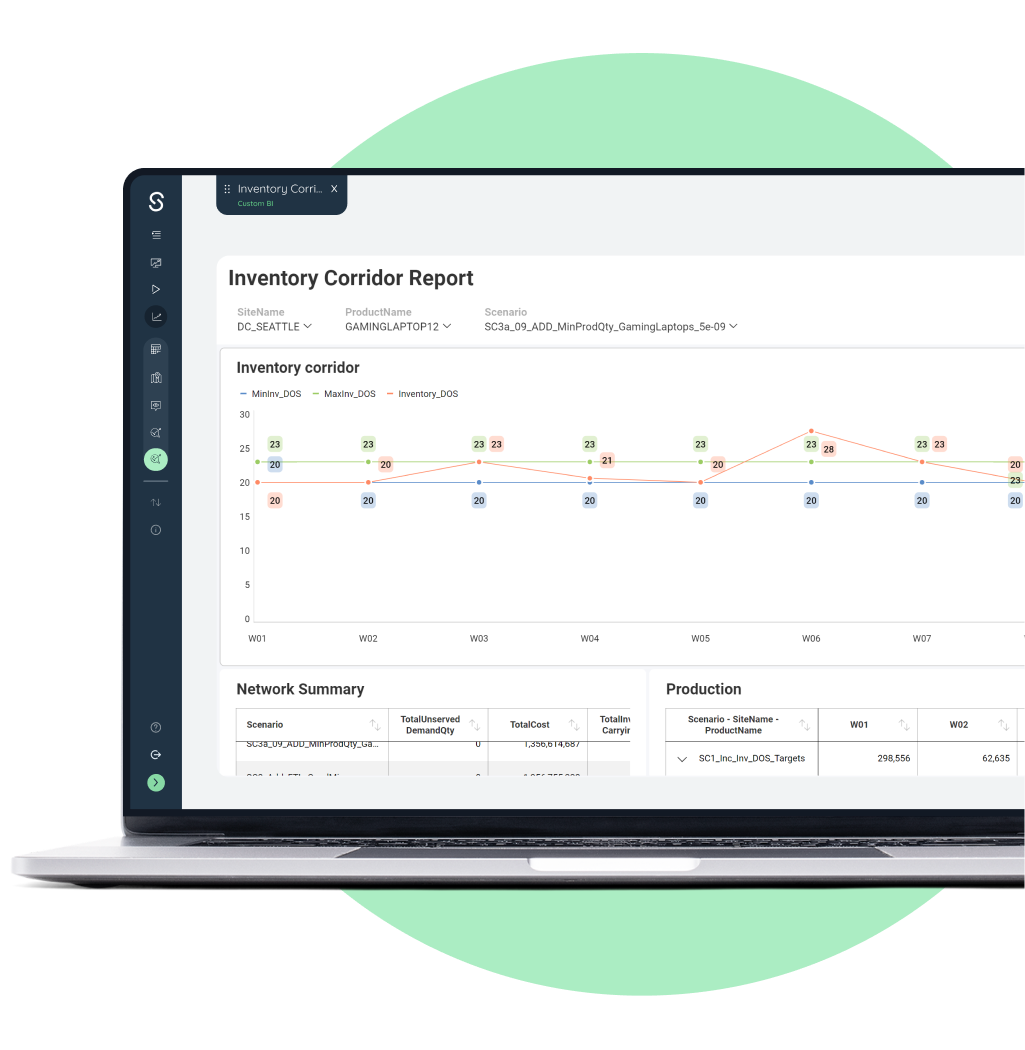
In this context, Sophus presents a radically different and complementary approach focused on end to end Network, Production, and Inventory Optimization.
Why Do Network Design Teams Choose Sophus Over Kinaxis for Scenario Planning?
- Plan Optimization vs. Rule-Based Simulation
- Lower Dependency on Experts
- True "What-If" Scenario Agility and Constraint Management
- Massive Scalability for Scenario Testing
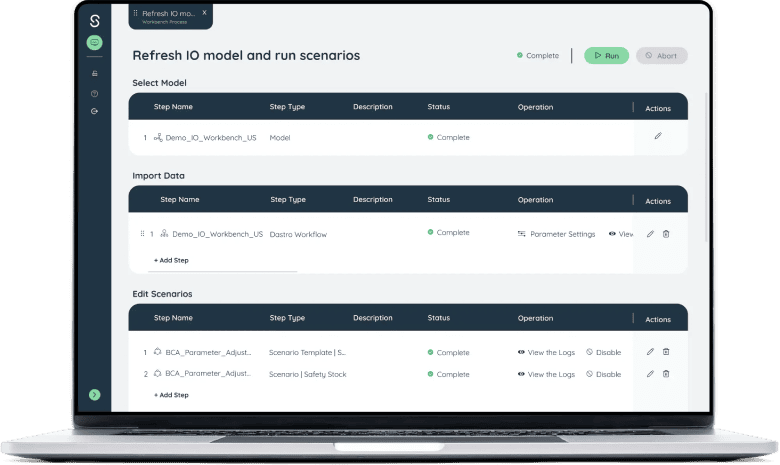
The Kinaxis Limitation: It simulates what will happen based on the rigid rules already programmed into the system, meaning it cannot automatically determine how to bend or change those rules to bypass a bottleneck.
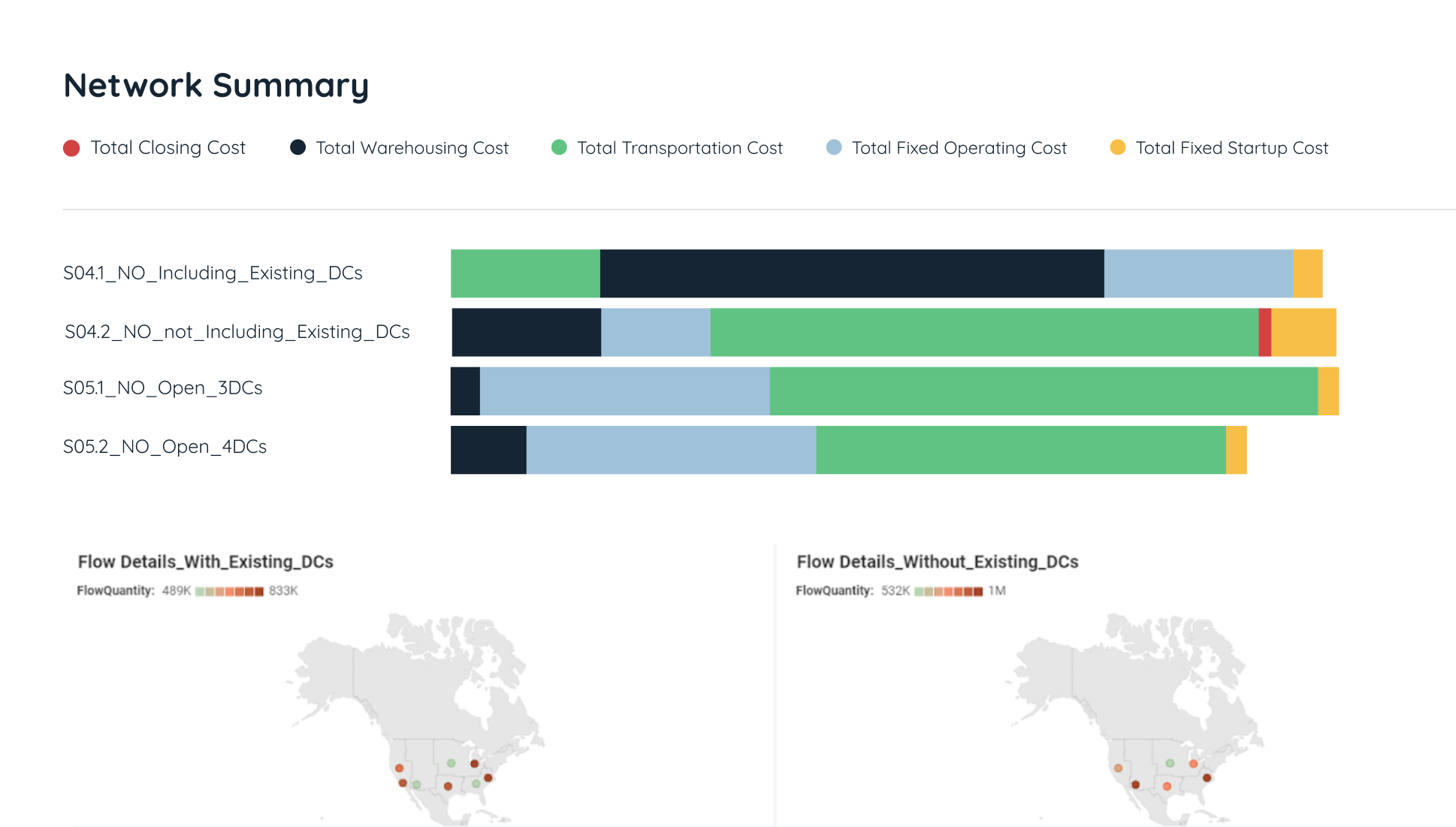
The Sophus Advantage: Sophus is powered by advanced Mixed Integer Linear Programming (MIP/LP) solver engines that evaluate millions of possible network configurations to find the mathematically optimal structure that minimizes cost or maximizes profit. Instead of just following a rule, Sophus evaluates all end-to-end constraints (capacities, lead times, transportation costs) and actively recommends the optimal product flowpaths, sourcing locations, and facility footprint
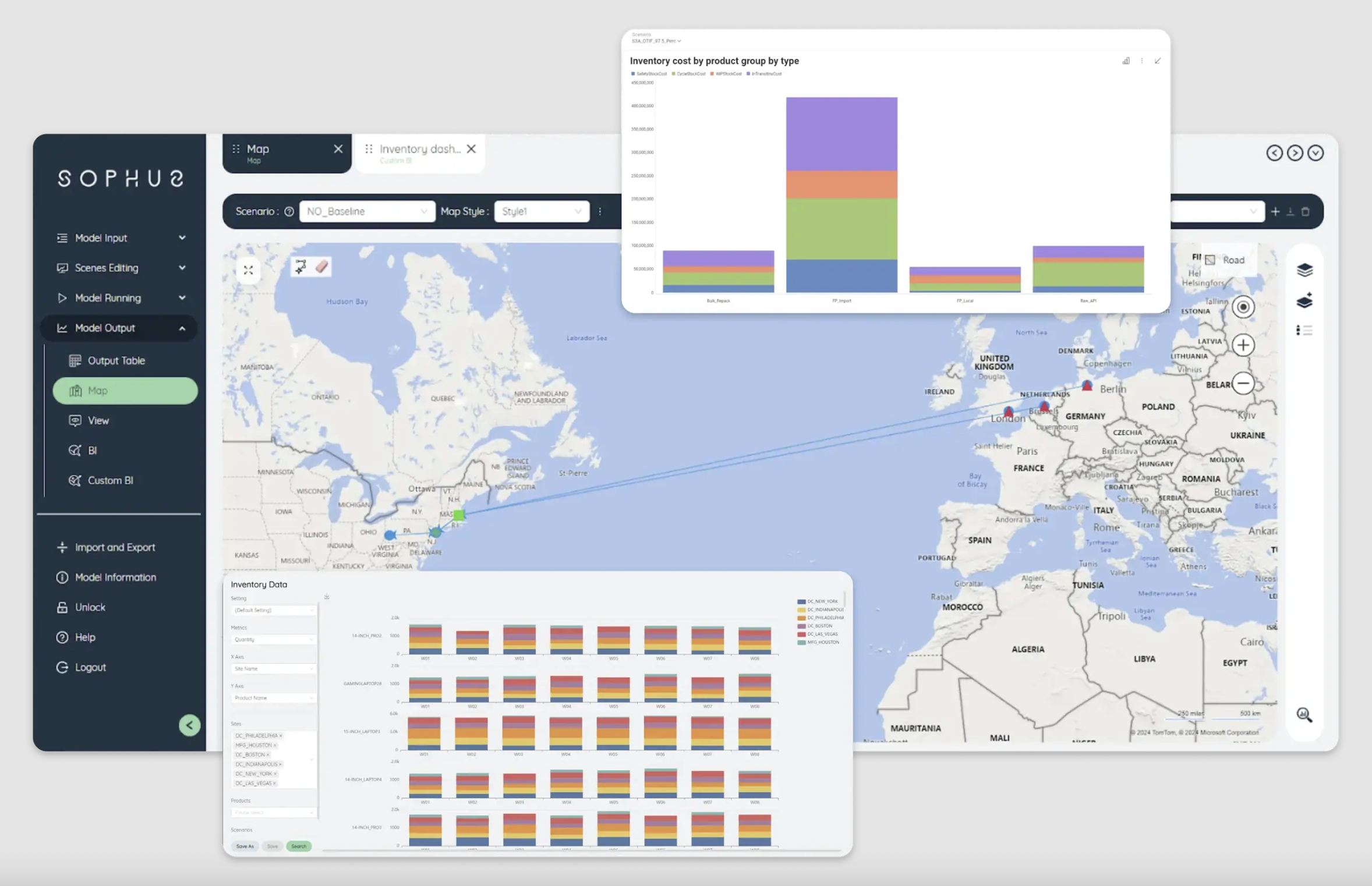
The Difference: Kinaxis implementations require significant process definition and specialized expertise. Over time, many organizations rely heavily on trained experts to maintain and adjust models.
The Sophus Advantage: Sophus provides an intuitive, responsive UI designed for supply chain professionals rather than technical power users. This reduces reliance on expert-only workflows and enables broader adoption across planning teams.
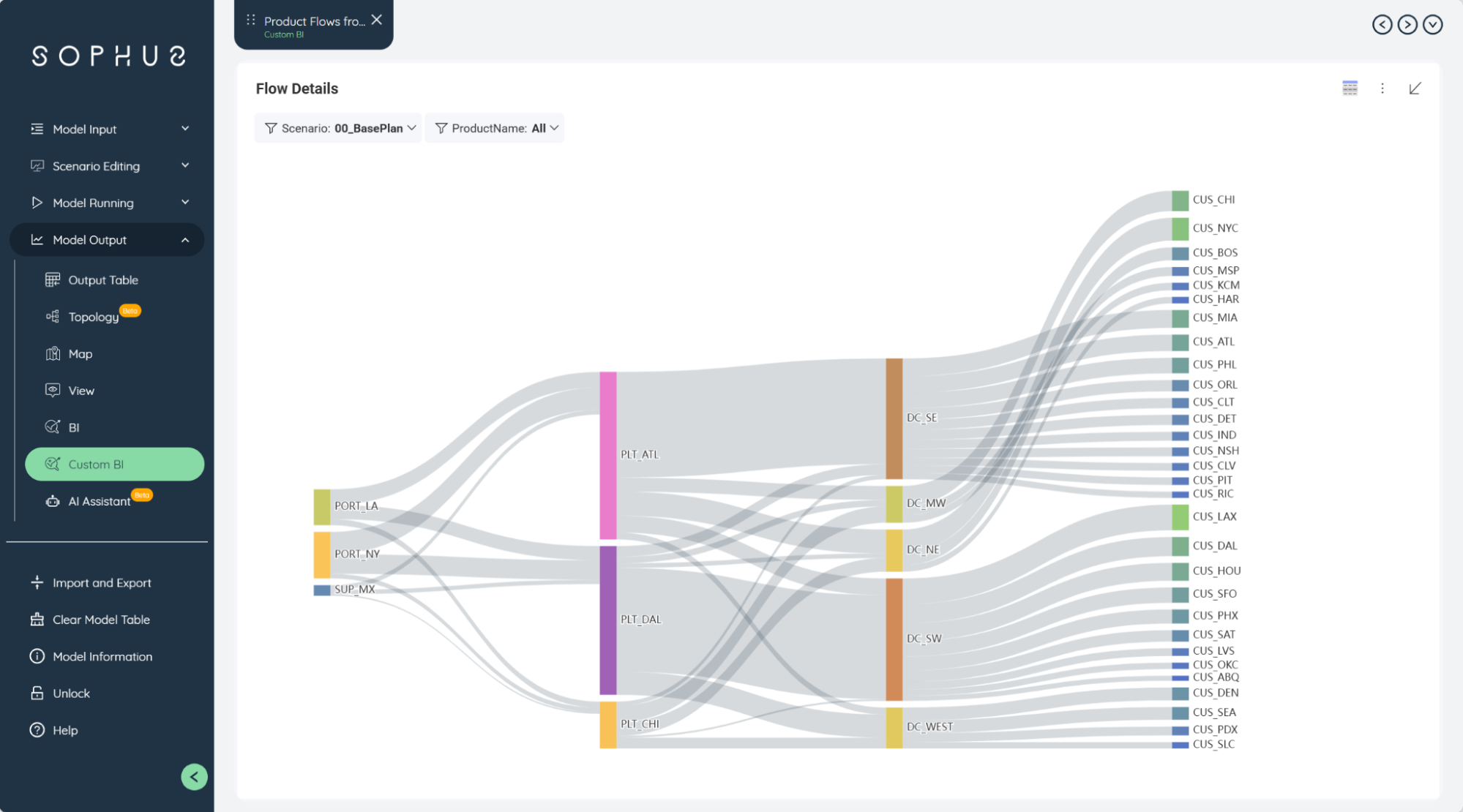
The Kinaxis Limitation: Deep what-if scenario modeling is restricted because the system cannot optimize outside of its established rule sets to answer complex supply chain questions.
The Sophus Advantage: Sophus features an advanced Scenario Manager that allows users to create unlimited “what-if” scenarios within a single database. If you hit a bottleneck, Sophus allows you to easily toggle specific constraints on or off to understand their exact financial and operational impact. This means the system can explicitly identify the “opportunity cost” of a specific rule, telling you exactly how much money you would save—or how much service would improve—if you bent or removed that rule
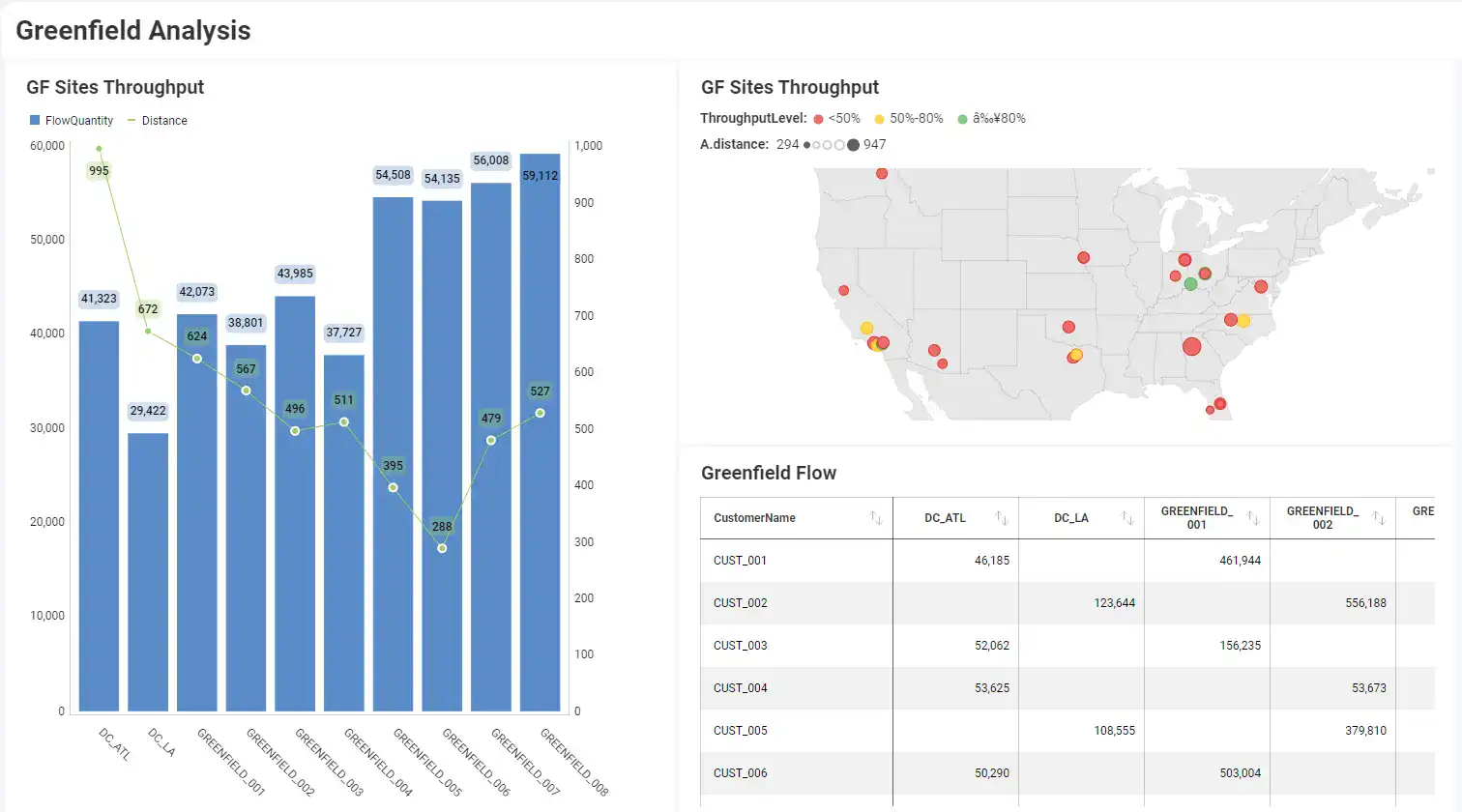
The Kinaxis Limitation: Testing massive, enterprise-wide structural changes is cumbersome due to the rigidity of the underlying planning rules.
The Sophus Advantage: To support rapid, complex decision-making, Sophus allows supply chain teams to virtualize solver activities and run hundreds of complex what-if scenarios concurrently in the cloud, returning optimal answers to massive, enterprise-wide questions in a fraction of the time
Considering Kinaxis Solutions alternatives
Sophus stands out for teams that need faster time to insight, built-in network optimization, and a simpler path from data to real decisions. For organizations prioritizing speed, usability, and measurable impact in supply chain planning, Sophus provides a more focused and practical advantage.
Who Should Stay in Kinaxis
(And Who Shouldn’t)
Who Should Stay in Kinaxis (And Who Shouldn’t)
Kinaxis may be the right fit if teams:
- Need to simulate “what-ifs” strictly within existing operational rules: Kinaxis is highly effective when you want to simulate what will happen based on the rigid, static rules already programmed into the system by planners, without needing the system to mathematically reinvent those rules to solve a new bottleneck.
- Have the budget and internal IT resources to support a highly configurable and complex platform that requires extensive process definition.
- Maintain a dedicated team of trained technical experts responsible for managing static planning logic and ongoing model maintenance.

Sophus is better fit if teams:
Require True “What-If” Optimization, Not Just Simulation: When a bottleneck occurs, you need a system that doesn’t just simulate the failure based on existing rules, but mathematically optimizes the end-to-end network to tell you which rules to bend and how to shuffle things around to find the most optimal path and Sophus will do that
Need Dynamic Scenario Agility: Rather than continually copying out entire datasets to model different scenarios, Sophus features an advanced Scenario Manager that allows users to create an unlimited number of “what-if” scenarios within a single model database.
Want to reduce dependency on technical specialists: Sophus empowers supply chain professionals to work directly within the platform visually which allows users to build, edit, and visualize complex supply chain operations via an intuitive flowchart interface rather than relying on heavy data tables and coding.
Experience Sophus
Sophus A Practical Choice for Smarter Supply Chain Planning
When comparing Sophus and Kinaxis, the difference often comes down to the fundamental approach to problem-solving. While Kinaxis offers a broad, rule-based concurrent planning environment, it can struggle to optimize outside of its pre-defined rules when supply chain bottlenecks occur.
Sophus, on the other hand, brings network optimization and operational planning together using advanced solver engines that evaluate end-to-end constraints to mathematically determine the best possible decisions.
With its highly intuitive interface, automated data workflows via Dastro, massively scalable performance through cloud-solving, and predictable commercial pricing, Sophus drastically reduces technical complexity while actually deepening your decision-making capabilities. For organizations seeking a true “what-if” optimization platform rather than just a planning suite, Sophus provides a much clearer and practical path to modern supply chain management.
Ready to make the switch?
Join the many businesses that trust Sophus for their supply chain design needs and start conversations today!