Best River Logic Alternatives for Modern Supply Chain Optimization
Some users have reported turnover of key personnel during the solution selection and implementation phases, which can disrupt continuity.
Others mention gaps in out-of-the-box functionality that require heavier customization than expected.
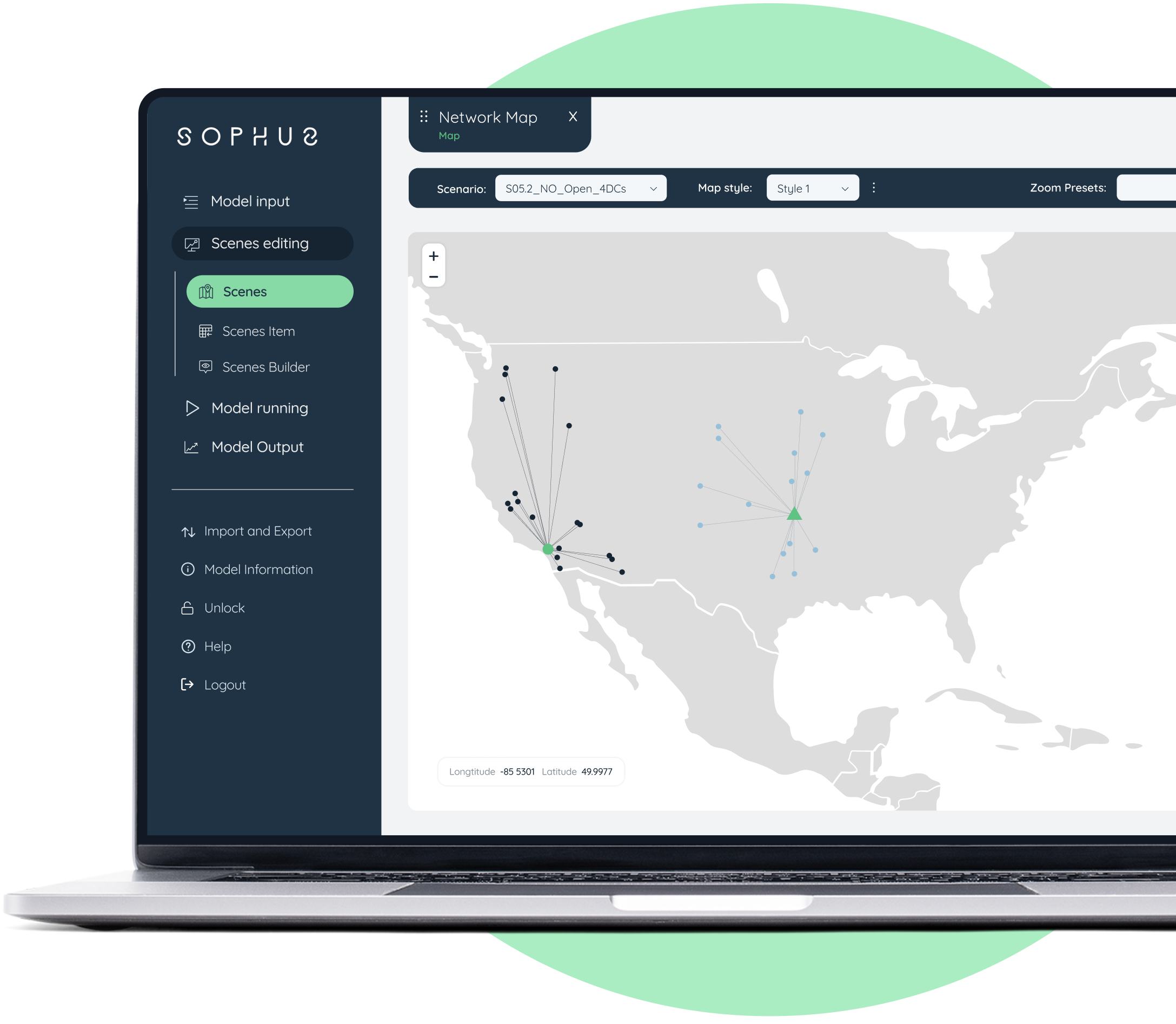
Users typically find Sophus X superior to River Logic in areas of solving speed, user accessibility, and implementation efficiency. While River Logic is known for deep financial-operational integration, Sophus targets modern supply chain needs with a more agile, off-the-shelf approach.
Companies that prioritize rapid scenario testing and want to avoid black-box solver complexity often select Sophus for its faster time to insight, no-code usability, and scalable performance.
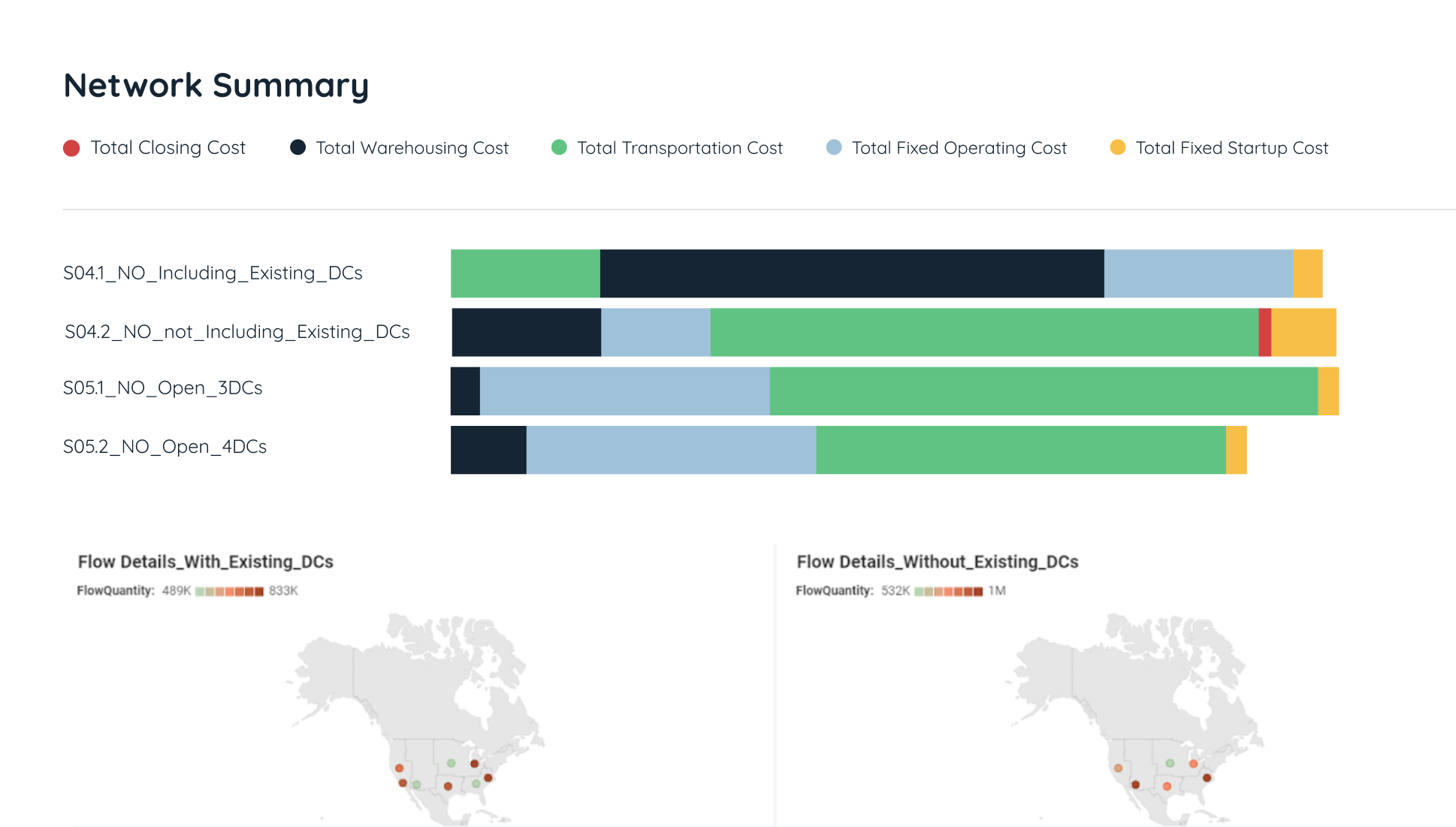
Features for Supply Chain Optimization
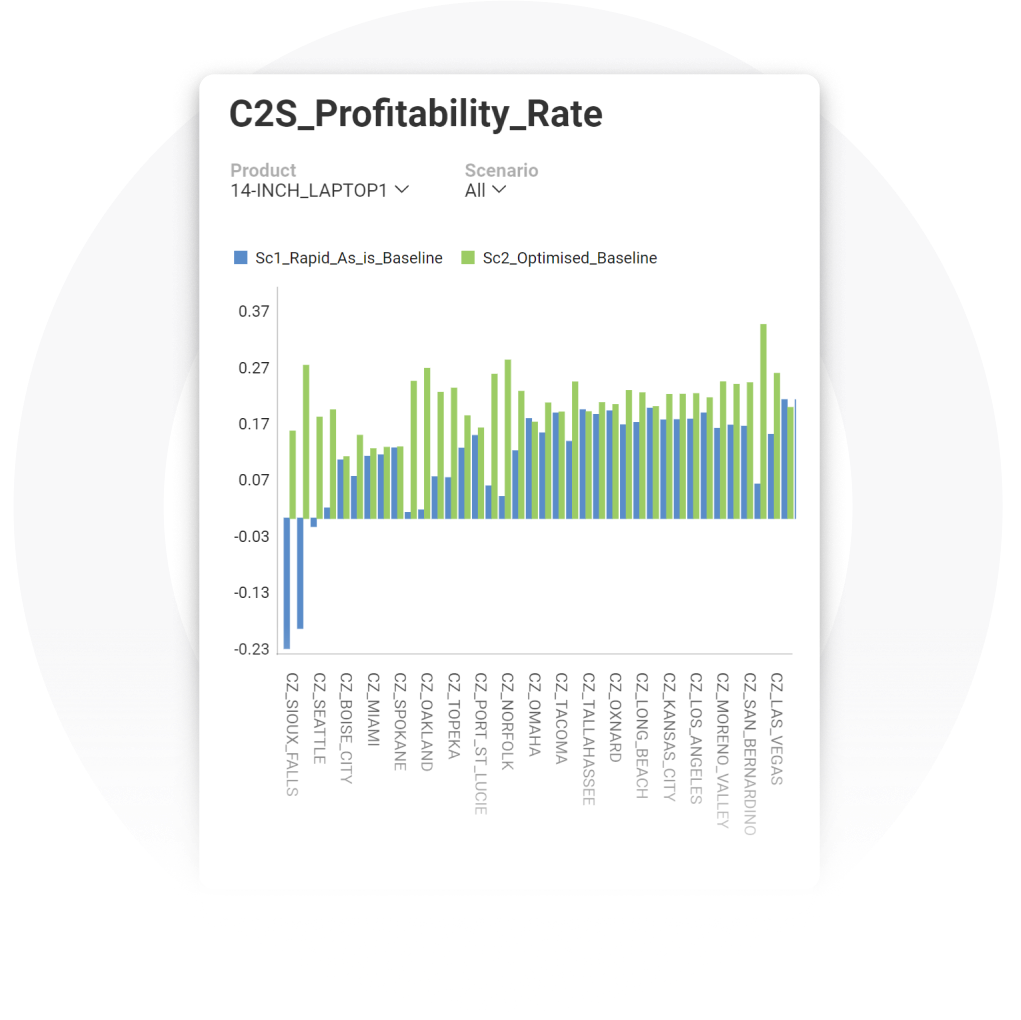
Solving Speed and Scalability
- While River Logic is recognized for analytical depth, some users report performance limitations depending on model complexity and structure. Large, highly granular scenarios can require careful configuration to maintain responsiveness.
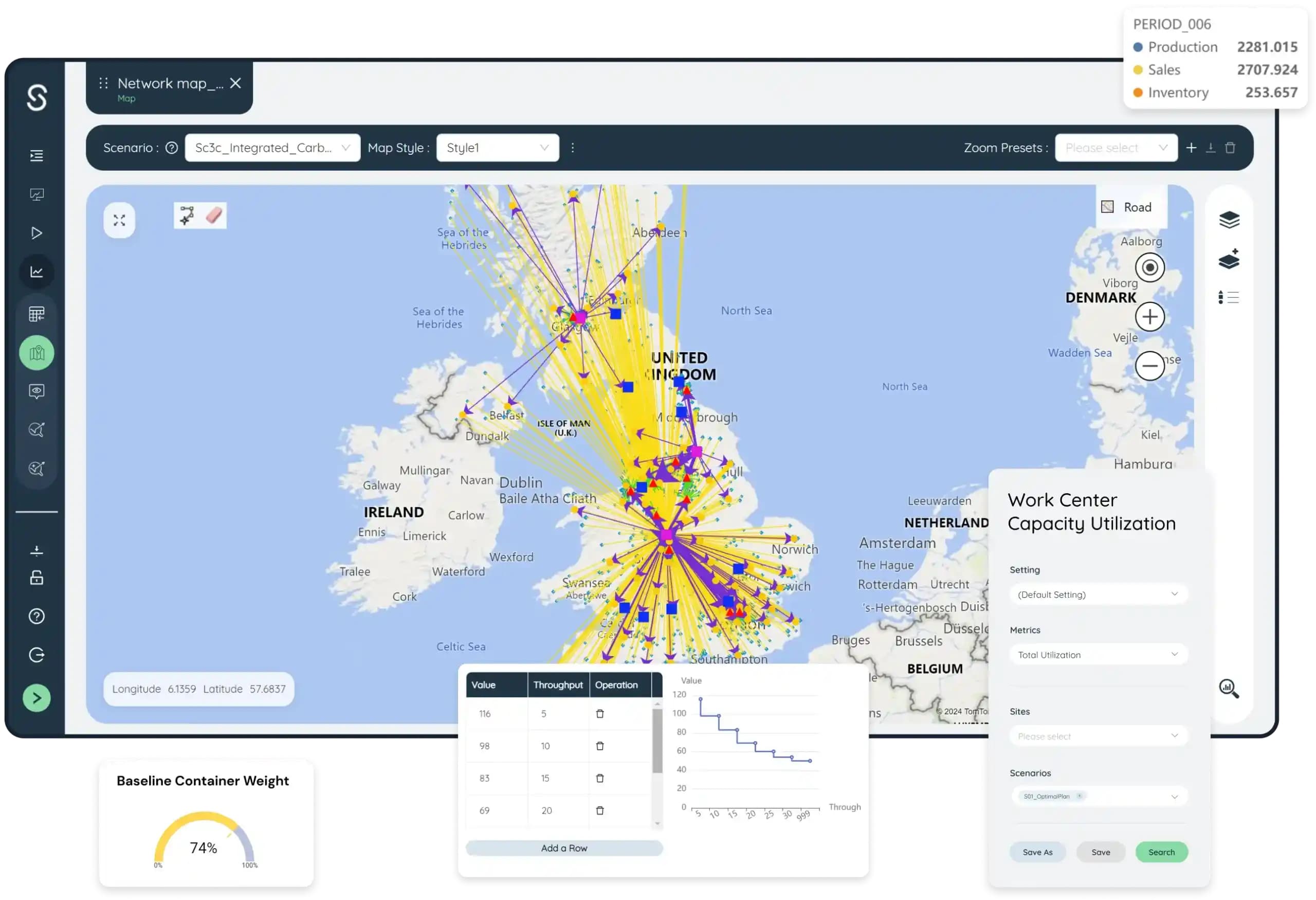
- Sophus Advantage: Sophus is built for high-performance solving, enabling rapid scenario testing across large datasets. Teams can evaluate more what-if scenarios in less time, reducing delays between analysis and action.
Lower Technical Barrier
- As a specialized value chain optimization platform, River Logic often requires strong expertise in mathematical modeling. This can create dependency on trained specialists and limit broader adoption across planning teams.
- Sophus Advantage: Sophus offers a no-code, business-friendly interface designed for supply chain professionals. Planners can configure and run models without needing deep optimization expertise.
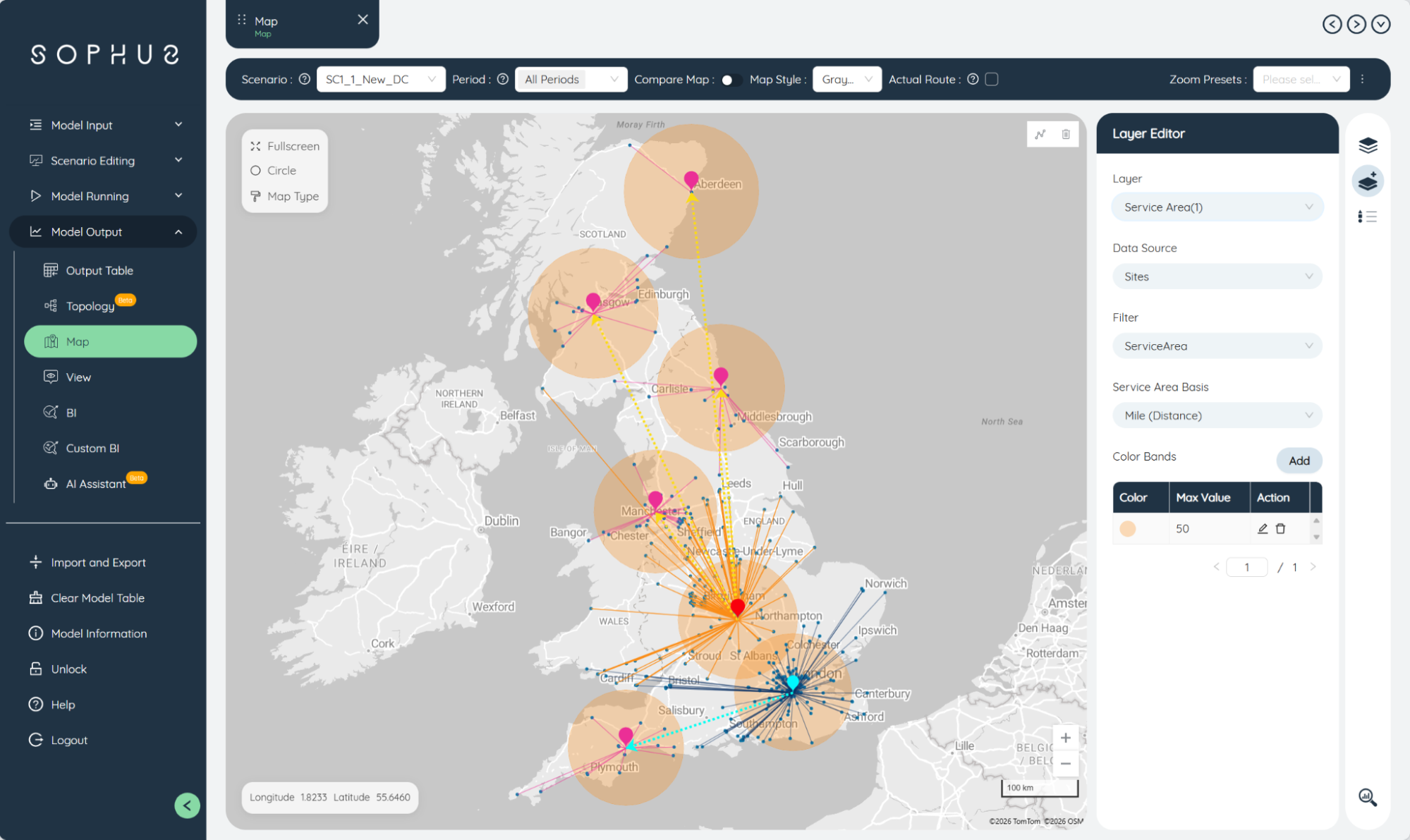

Faster Implementation and Time to Value
- Heavy customization and complex configuration can extend implementation timelines. Organizations may require significant effort before achieving stable, production-ready models.
- Sophus Advantage:
Sophus emphasizes rapid baselining and structured configuration. Teams can move from transactional data to an interactive network model quickly, accelerating time to insight.
Greater Transparency in Modeling
- Issue with River Logic: Some users have noted a lack of reproducible mathematical documentation for specific use cases, which can be challenging for organizations requiring high model transparency.
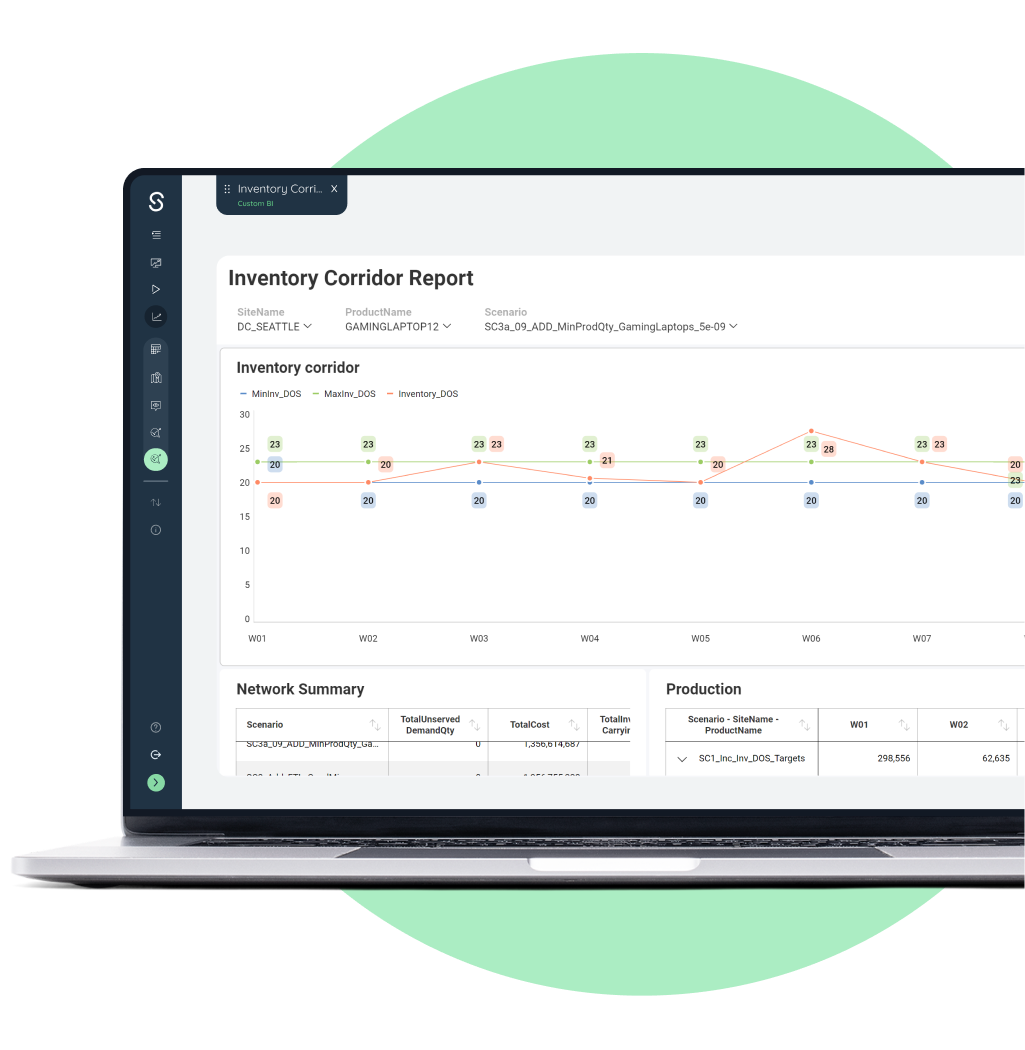
- Sophus Advantage: Sophus provides structured, clearly defined modeling logic that connects network design, inventory, and transportation decisions in a transparent way.
Advanced Data Automation
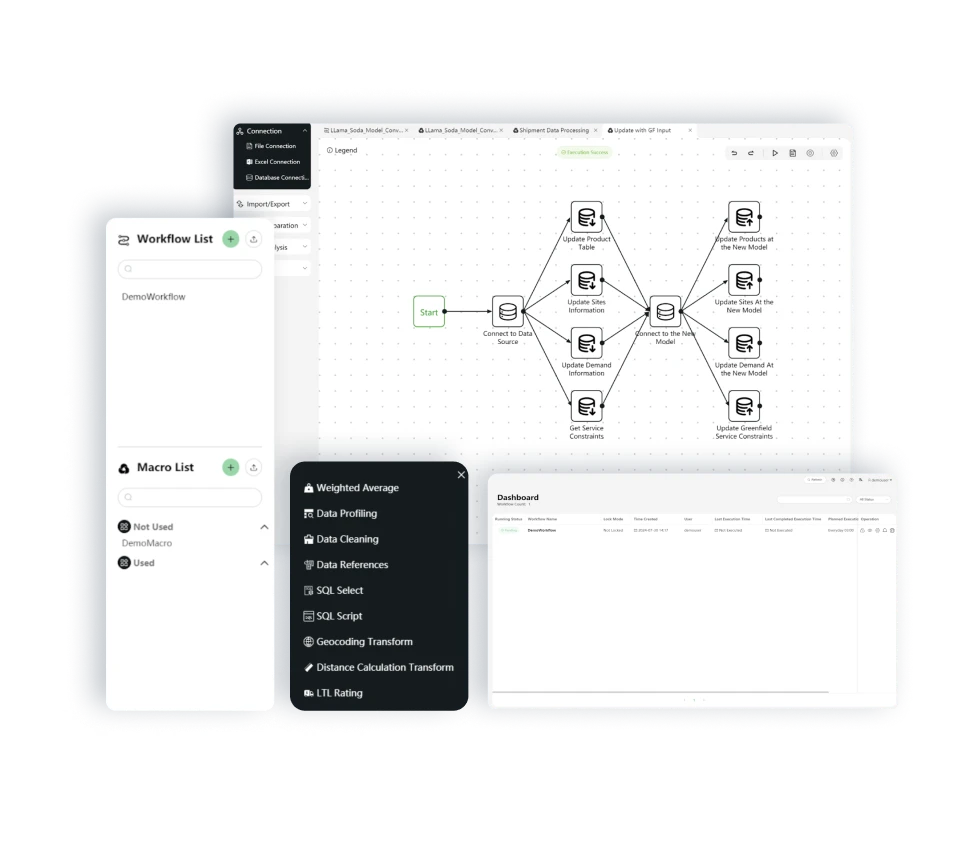
- In River Logic, data preparation and model maintenance can require significant manual effort, especially when integrating ERP, financial, and operational datasets. Ongoing updates may depend on structured processes and technical oversight.
- Sophus Advantage: Through its Dastro component, Sophus automates data extraction, cleaning, and preparation. This reduces manual workload and ensures models stay refreshed with current data, supporting faster and more reliable decision-making.
Considering Decision River Logic alternatives?
Sophus has a clear edge as a River Logic alternative because it combines faster solving speed, advanced data automation, and a more accessible user experience. It reduces implementation time and lowers technical dependency across teams.
Who Should Stay on River Logic
(And Who Shouldn’t)
River Logic may be the righ if teams:
- Require deep prescriptive analytics that tightly link operational decisions to financial outcomes such as P&L, balance sheet, and tax impact.
- Operate in complex process industries like chemicals, mining, energy, or agribusiness, where blending rules, byproduct logic, and commodity variability demand highly flexible modeling.
- Are making high-stakes strategic decisions or major capital investments where maximum optimization depth justifies higher complexity.
- Are heavily invested in Microsoft Azure, and native integrations with Azure tools simplify backend alignment.

Sophus is better fit if teams:
Does not have dedicated optimization specialists and needs a platform that business planners can operate directly.
Run frequent what-if scenarios and require faster modeling cycles rather than occasional, large strategic studies.
Want to reduce technical overhead and avoid dependence on deep mathematical configuration.
Prefer a faster path from data to insight, with automated data preparation and rapid baselining.
Seek predictable implementation effort and lower operational burden without sacrificing analytical strength.
Why Sophus the Superior River Logic Alternative
Sophus stands out as a leading River Logic alternative for supply chain optimization by combining network design, inventory optimization, and transportation modeling within a faster and more accessible platform. Instead of heavy configuration and technical dependency, Sophus delivers automated data workflows, rapid baselining, and scalable scenario testing.
For organizations seeking a practical River Logic alternative that supports modern supply chain planning with lower complexity and quicker time to insight, Sophus provides a more agile and sustainable path forward.

Sophus stands out as a leading River Logic alternative for supply chain optimization by combining network design, inventory optimization, and transportation modeling within a faster and more accessible platform. Instead of heavy configuration and technical dependency, Sophus delivers automated data workflows, rapid baselining, and scalable scenario testing.
For organizations seeking a practical River Logic alternative that supports modern supply chain planning with lower complexity and quicker time to insight, Sophus provides a more agile and sustainable path forward.
Ready to make the switch?