Best GAINSystems Alternatives for Supply Chain Planning
If you are evaluating alternatives to GAINSystems, it is often due to usability and maintenance concerns rather than a lack of core functionality.
Some users describe the interface, especially in legacy versions, as difficult to navigate and unintuitive, which can slow adoption. Others point to customization challenges that require significant effort to align the system with specific business practices.
Implementation of new functionality in GAINSystems can take longer than expected, and certain manufacturing workflows may not align perfectly with standard planning practices. As organizations scale, questions around network design depth and reporting flexibility may also emerge.
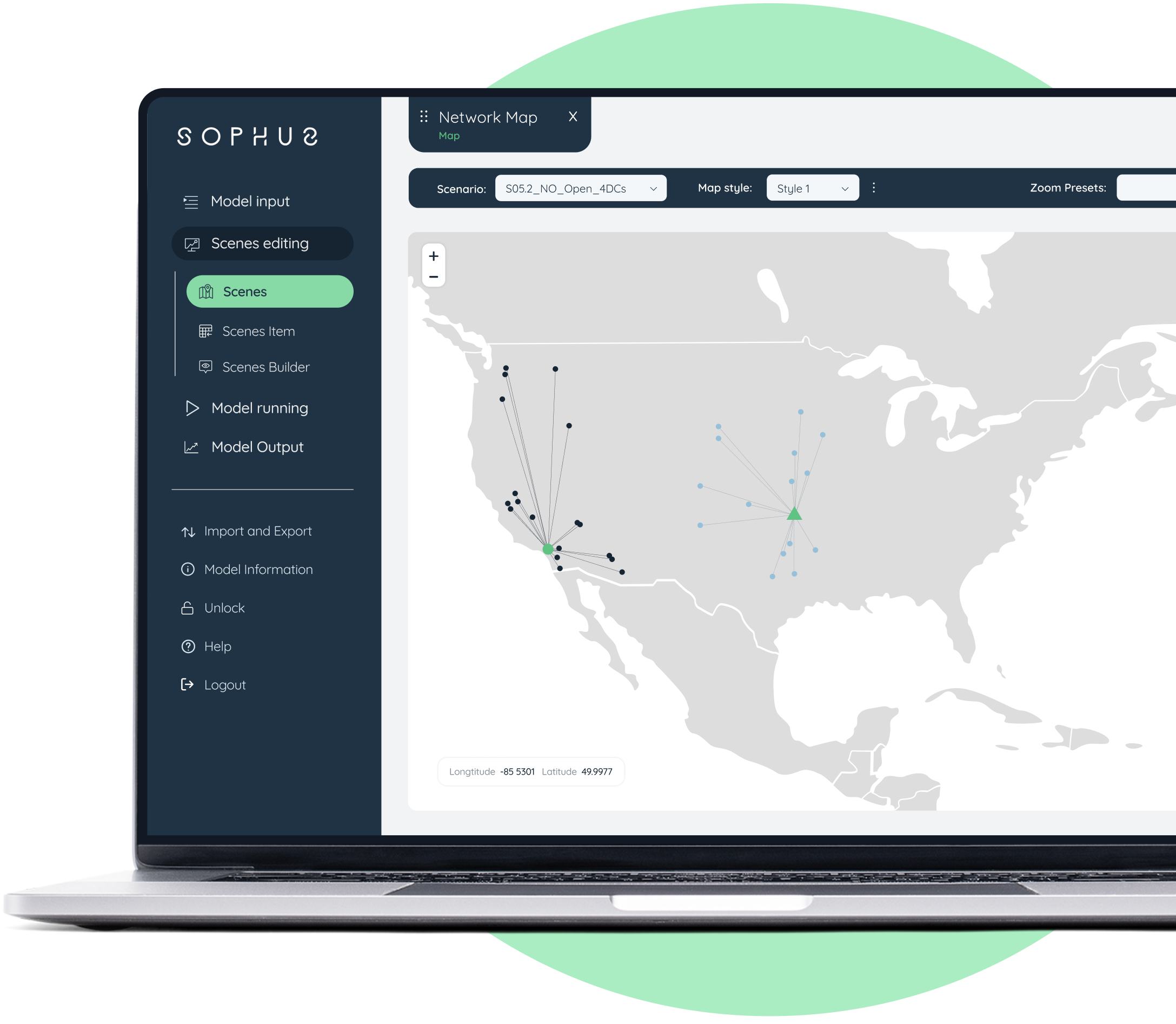
In the context of supply chain planning, Sophus Technology is frequently cited as having an edge over legacy systems like GAINS due to its modern, cloud-native architecture and superior user experience. While GAINS may present challenges around network design depth, reporting flexibility, and growth scalability, Sophus delivers complete optimization across network, inventory, and transportation. With a cleaner UX and competitive cost structure, Sophus provides a more coherent and scalable path for modern supply chain teams.
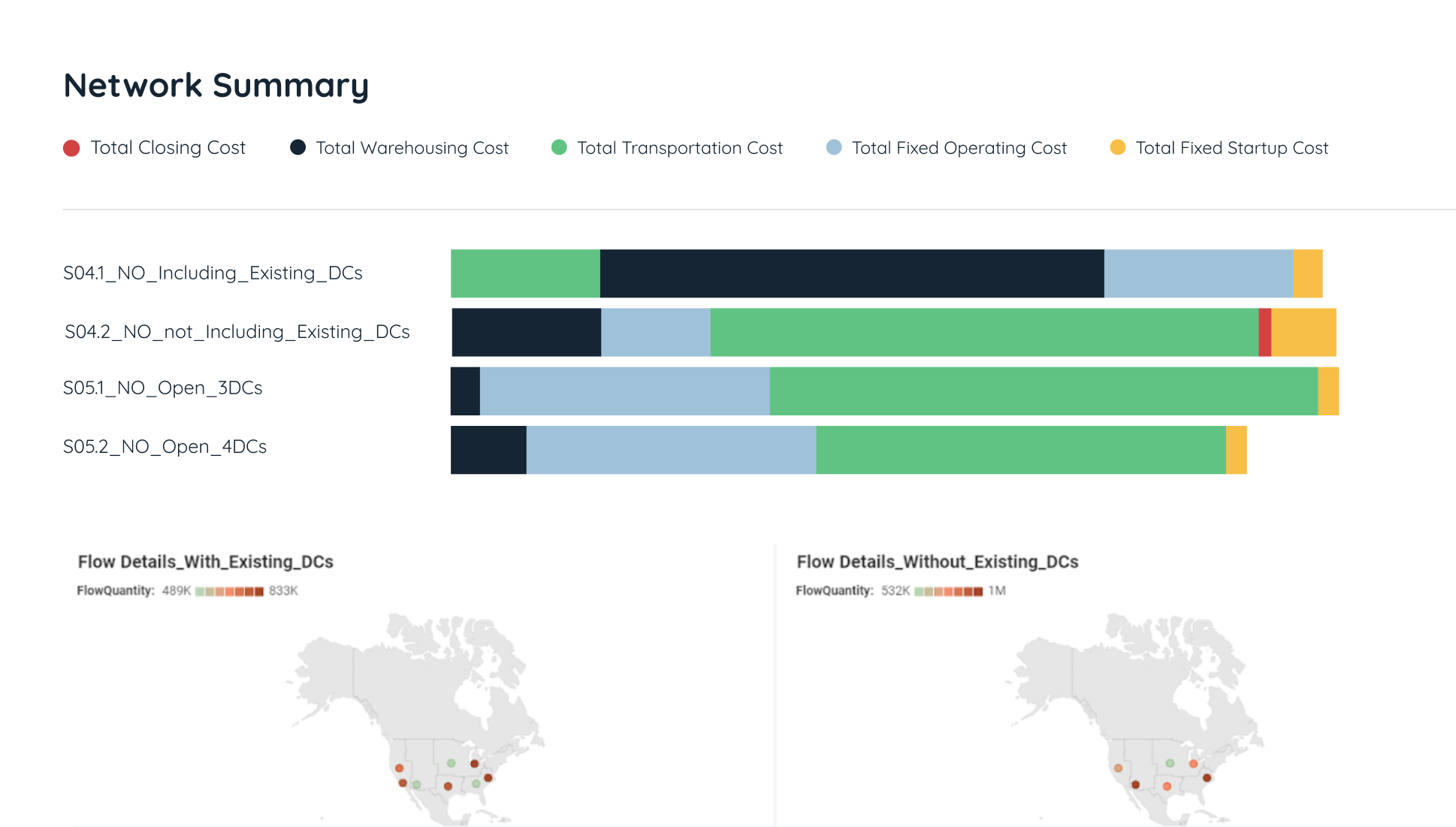
Sophus vs GAINSystems Features for Supply Chain Optimization
Complete Network Optimization
-
GAINS is primarily focused on inventory and replenishment planning. Its capabilities in deep network design and strategic optimization are more limited compared to dedicated network modeling platforms.
-
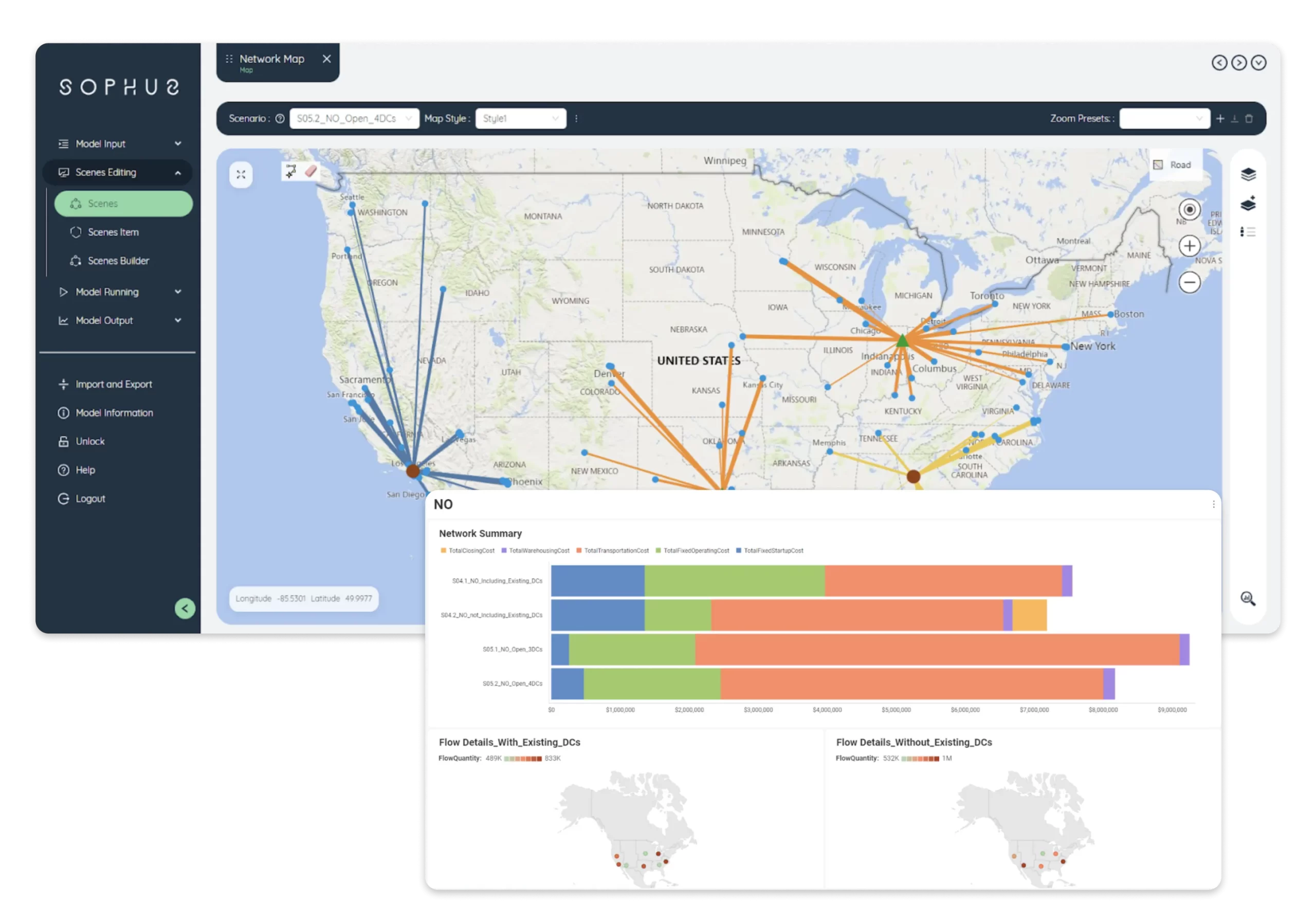
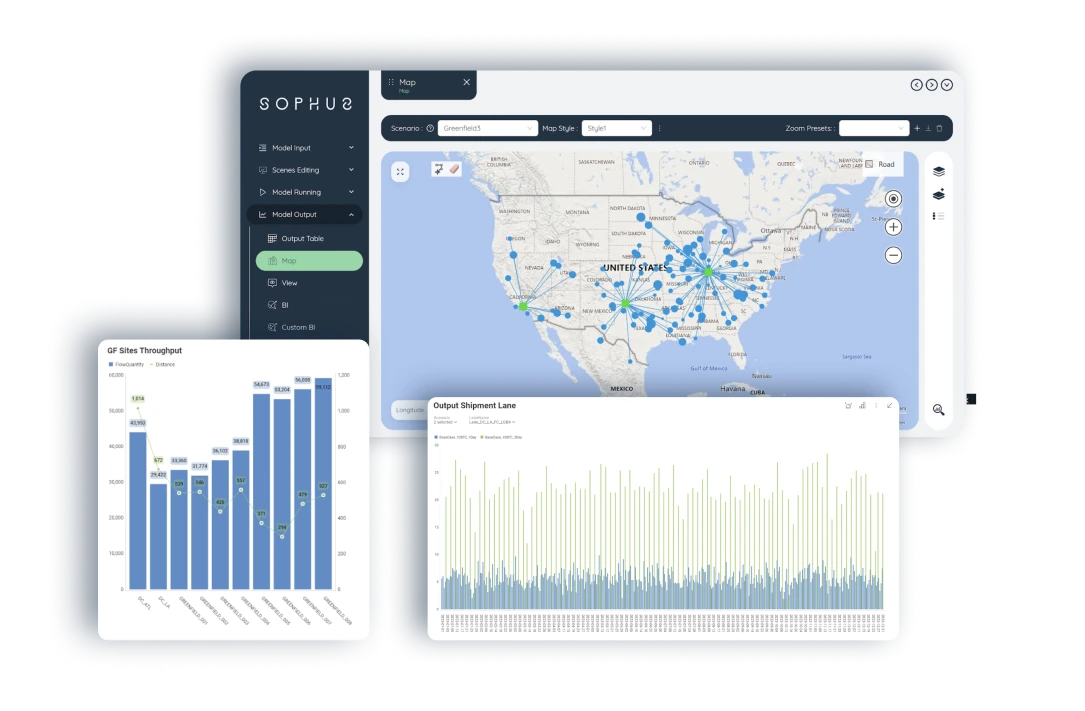
Sophus Advantage: Sophus integrates network design, multi-echelon inventory optimization, and transportation modeling in one unified platform. Teams can connect strategic footprint decisions directly to inventory and service outcomes.
Modern and Intuitive User Experience
- Issue with GAINS: Some users report that legacy versions of GAINS have an outdated interface and complex navigation. This can slow daily workflows and reduce adoption across planning teams.
- Sophus Advantage: Sophus provides a modern, cloud-native interface designed for supply chain professionals. Scenario building, comparison, and reporting are handled within a streamlined and intuitive workspace.
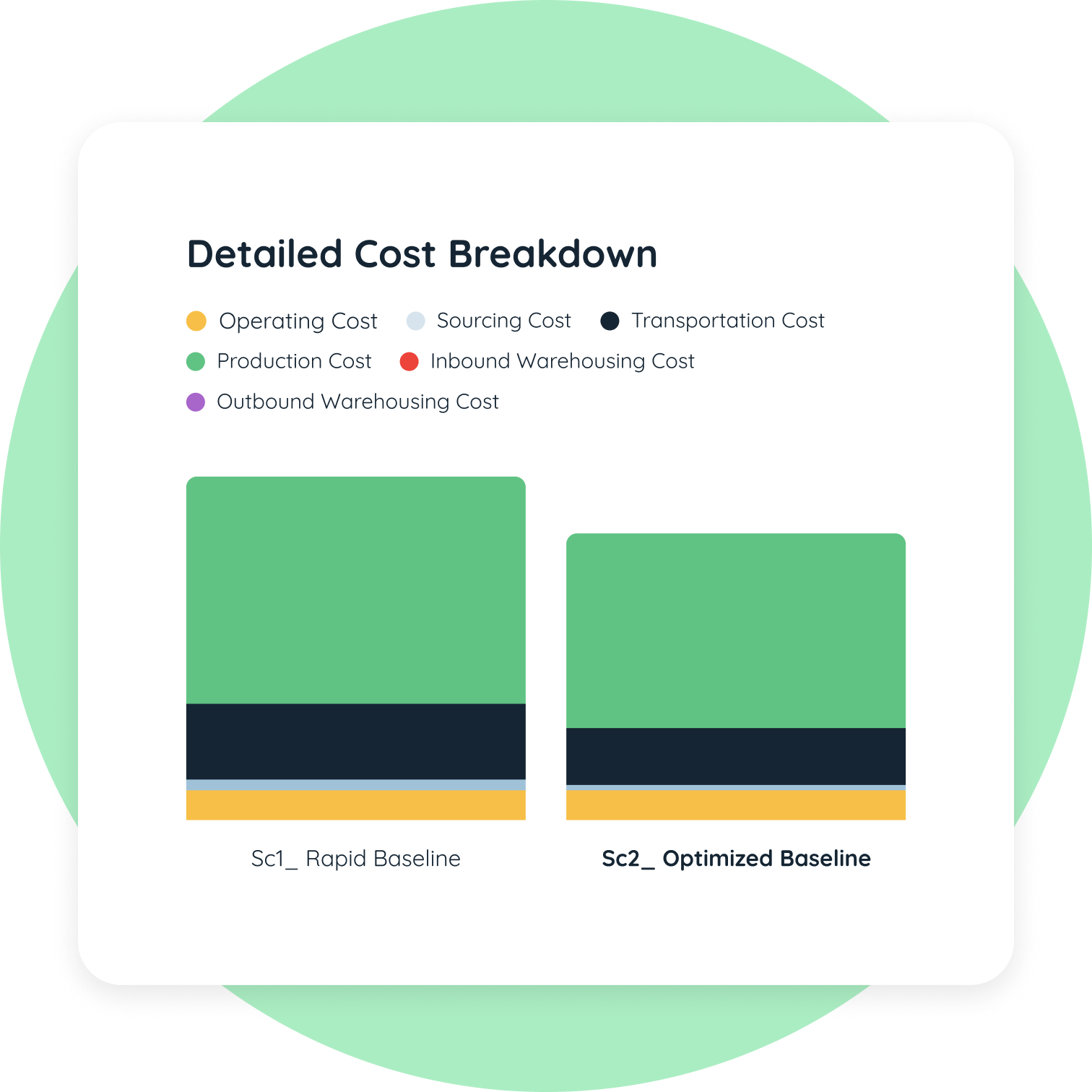
Reduced System Noise and Greater Stability
- Issue with GAINS:
Frequent recalculations of safety stock and order requirements can create excessive system noise, requiring manual oversight and reducing planner confidence. - Sophus Advantage: Sophus focuses on stable, structured optimization outputs that align strategic decisions with operational targets. This reduces unnecessary volatility and supports more predictable planning cycles.
Faster Implementation and Feature Rollout
- Issue with GAINS: Implementing new functionality or adapting workflows can take longer than expected, especially in more traditional system architectures.
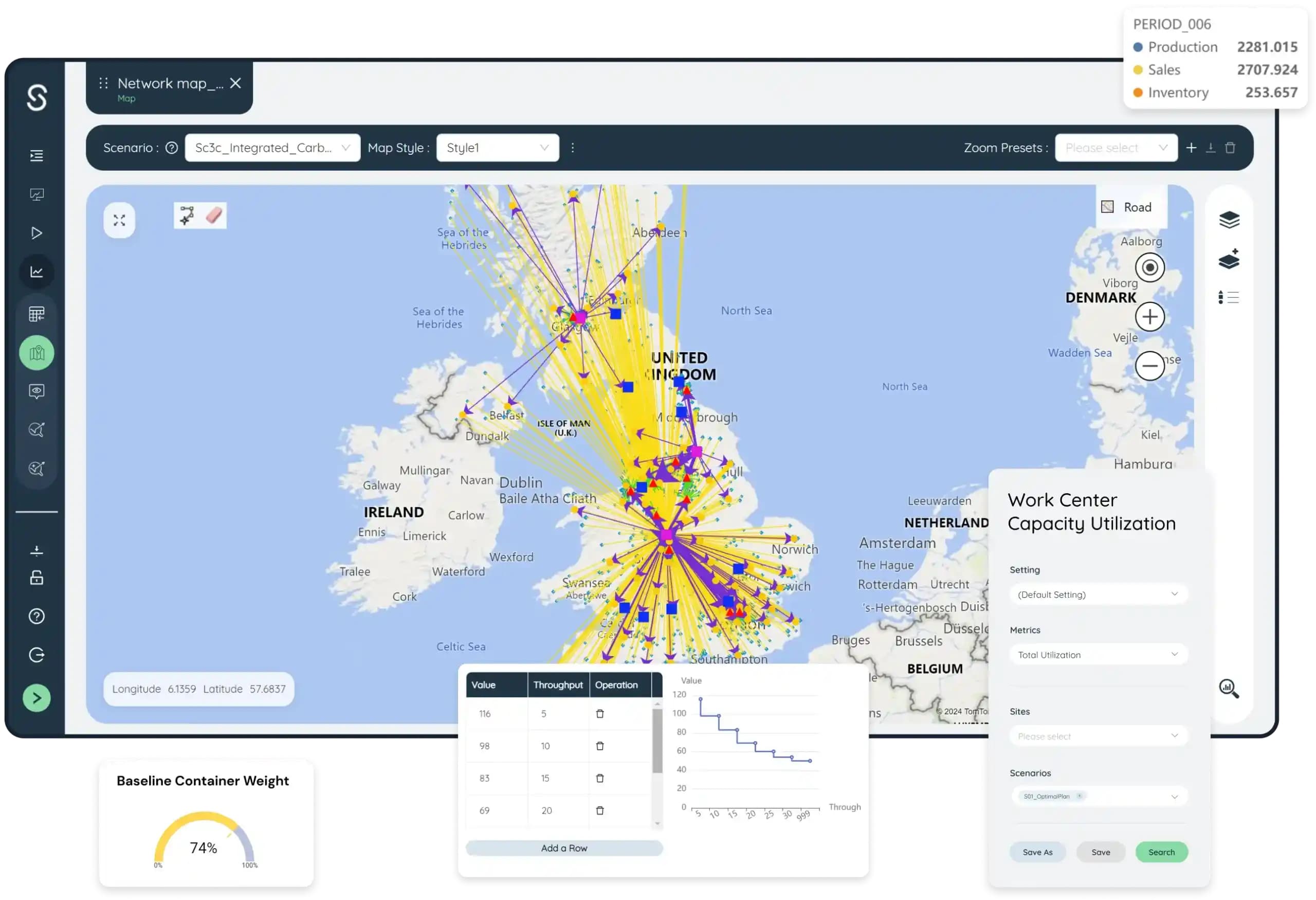
- Sophus Advantage: Sophus is engineered for faster deployment and agile updates. Rapid baselining and automated data workflows help organizations move from setup to insight quickly.
Scalability for Growing Networks with Cloud
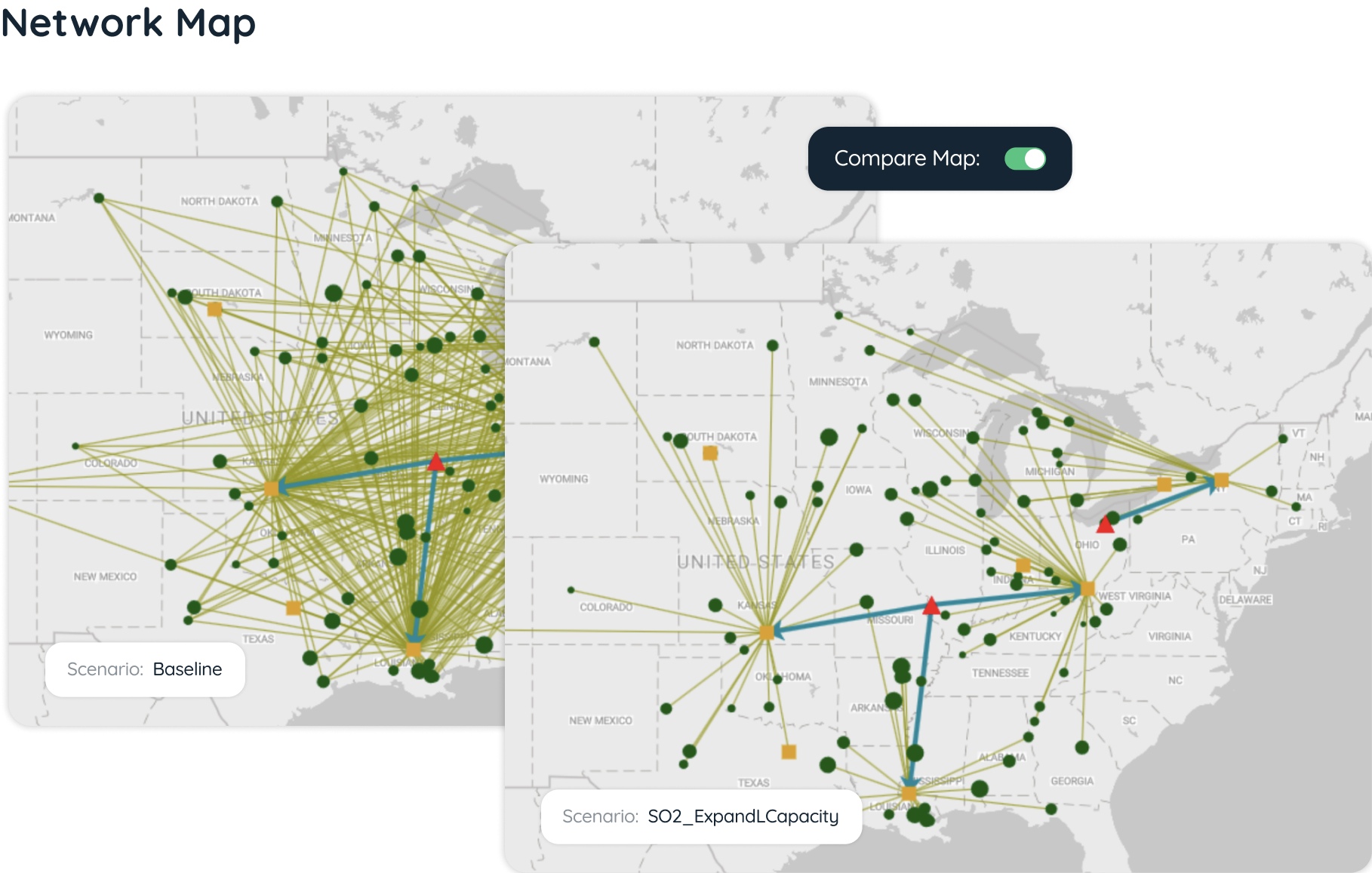
- Issue with GAINS: As organizations expand across regions and channels, scaling planning models can introduce complexity and performance concerns.
- Sophus Advantage Built as a modern cloud-native tool, it offers better scalability and access from anywhere, which contrasts with the system stability issues (like hanging or crashing) sometimes reported by GAINS users.
Considering GAINSystem alternatives?
Sophus represents a shift from traditional, often rigid ERP-based planning toward a modern, agile, and AI-driven ecosystem. While GAINS is an established player with deep roots in inventory management, Sophus’s edge lies in its ability to handle modern supply chain complexity with greater speed and a much lower technical barrier for users.
Who Should Stay in GAINSystems
(And Who Shouldn’t)
Who Should Stay in GAINSystems
(And Who Shouldn’t)
GAINSystems may be the right fit if:
- Your primary challenge is inventory optimization at scale.
- You operate within mature S&OP structures and require structured, policy-driven inventory and service-level management.
- Your organization prefers a packaged SaaS application with predefined workflows rather than a configurable modeling environment.
- You value a vendor known for high-touch deployment and ongoing support engagement.

Sophus is a better fit if:
You need faster time to insight and want to build or refresh a digital twin in days rather than weeks.
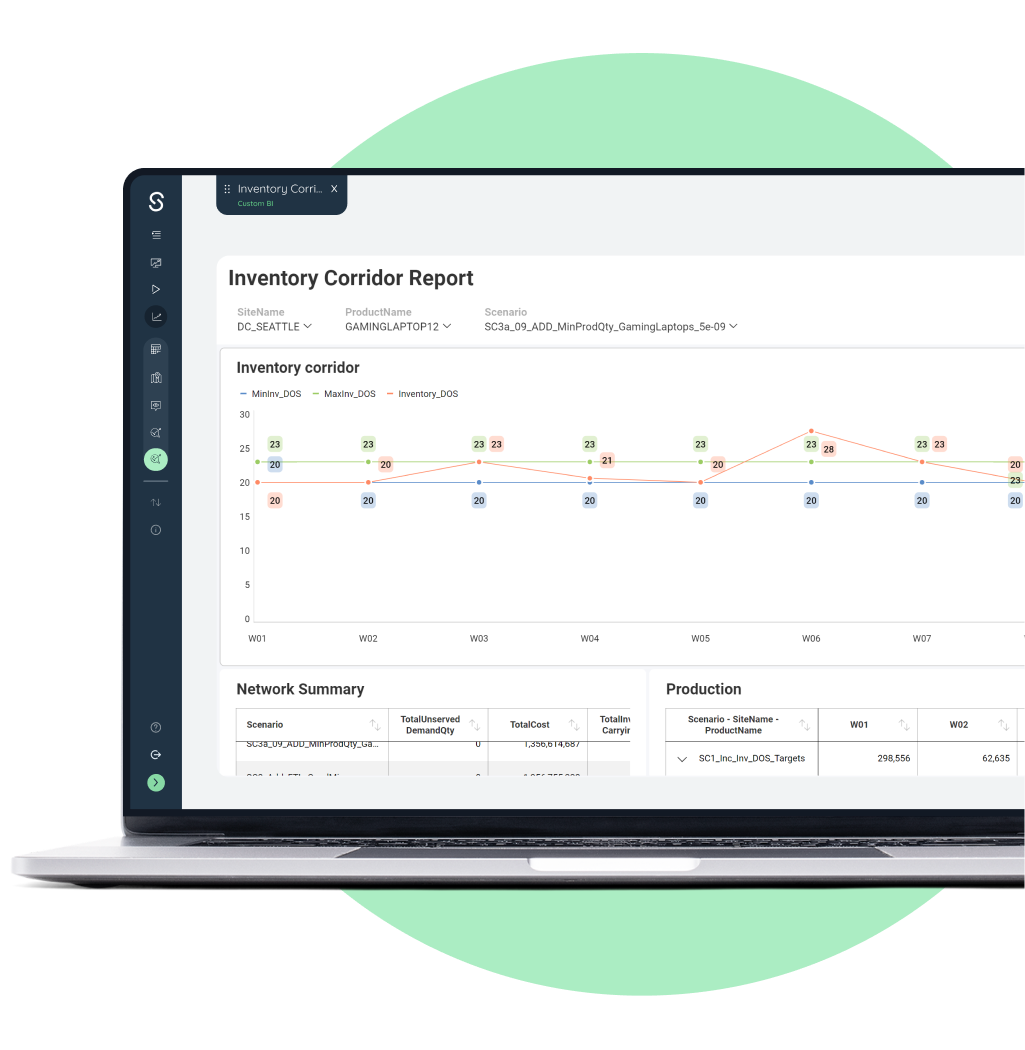
Your organization prioritizes agility and frequent what-if scenario testing across network, inventory, and transportation decisions.
Your analysts want a more flexible and scalable optimization environment that connects strategy and operations.
User adoption is limited by dated or complex interfaces, and you require a modern, intuitive UX.
Your supply chain evolves quickly and must integrate diverse data sources into planning and optimization cycles.
A Smarter GAINS Alternative for Scalable Supply Chain Optimization
Sophus stands out as a strong GAINS alternative for supply chain planning by combining network design, inventory optimization, and transportation modeling within one modern platform.
Instead of navigating complex customization and legacy workflows, teams gain faster time to insight through automated data pipelines, rapid baselining, and a more intuitive user experience with Sophus.
For organizations seeking a scalable and agile alternative to GAINSystems.

Sophus stands out as a strong GAINS alternative for supply chain planning by combining network design, inventory optimization, and transportation modeling within one modern platform.
Instead of navigating complex customization and legacy workflows, teams gain faster time to insight through automated data pipelines, rapid baselining, and a more intuitive user experience with Sophus.
For organizations seeking a scalable and agile alternative to GAINSystems.
Ready to make the switch?