Best o9 Solutions Alternatives for Supply Chain Optimization
If you are evaluating alternatives to o9 Solutions, the decision often stems from the platform’s heavy, resource-intensive implementation and a fundamental difference in approach: executing a pre-defined plan versus mathematically optimizing your entire supply chain to discover what the plan should be.
When Disruptions Hit
Simulation Without Optimization
While o9 is highly regarded for its broad Integrated Business Planning (IBP), operational execution, and collaboration capabilities, it is fundamentally a heavy, rule-based planning suite.
o9 simulates outcomes based on thousands of static rules established by planners or consultants during a lengthy setup phase.
When a supply chain bottleneck occurs or a critical “what-if” scenario arises, o9 can only simulate outcomes within the strict confines of those existing rules. It cannot evaluate end-to-end network constraints to actively change the rules, re-optimize the network, or tell you how to shuffle assets to make the best possible decision.
In this context, Sophus presents a radically different and complementary approach.
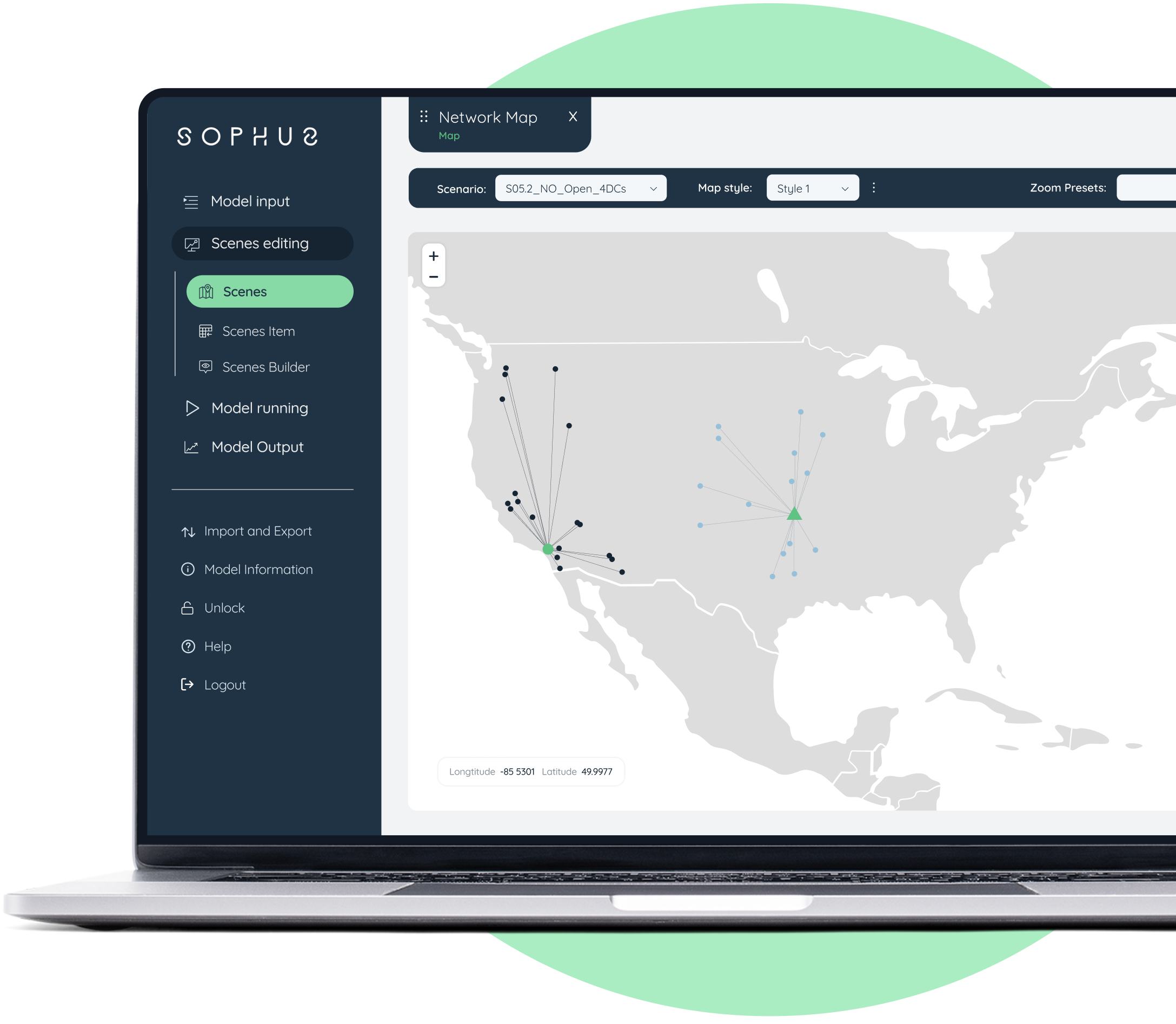
Built as a lightweight, cloud-native platform for supply chain decision intelligence, Sophus focuses on true end-to-end Network, Production, and Inventory Optimization.
Instead of spending months managing software complexity, teams can baseline quickly, run dynamic what-if scenarios without heavy setup, and directly connect strategic choices to operational outcomes.
Why Do Network Design Teams Choose Sophus over o9 Solutions?
Mathematical Optimization vs. Rule-Based Simulation
-
The o9 Limitation: As a rule-based system, o9 simulates what will happen based on pre-programmed logic. It lacks the deep, systemic optimization required to tell you which rules to bend when disruptions occur.
-
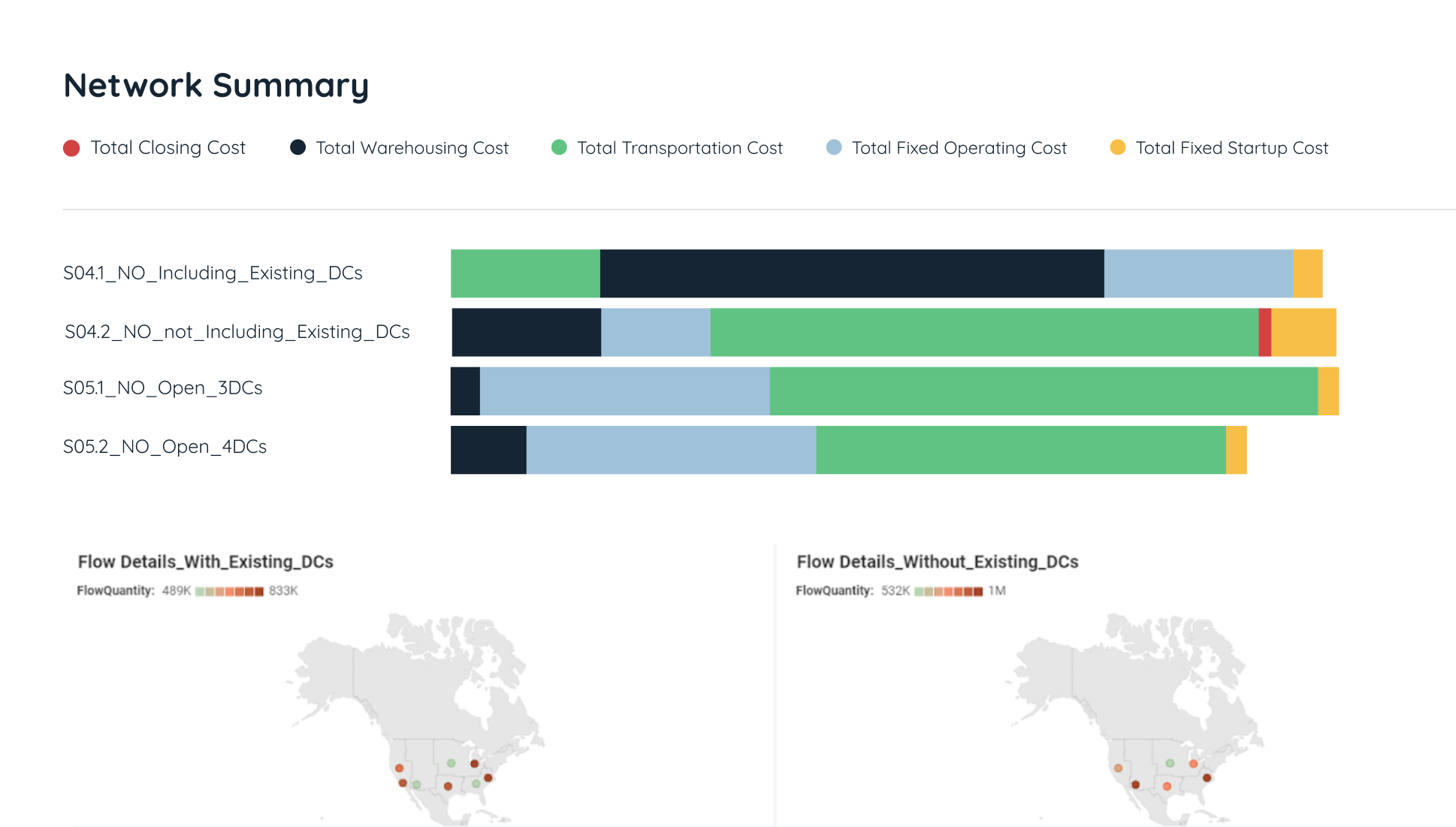
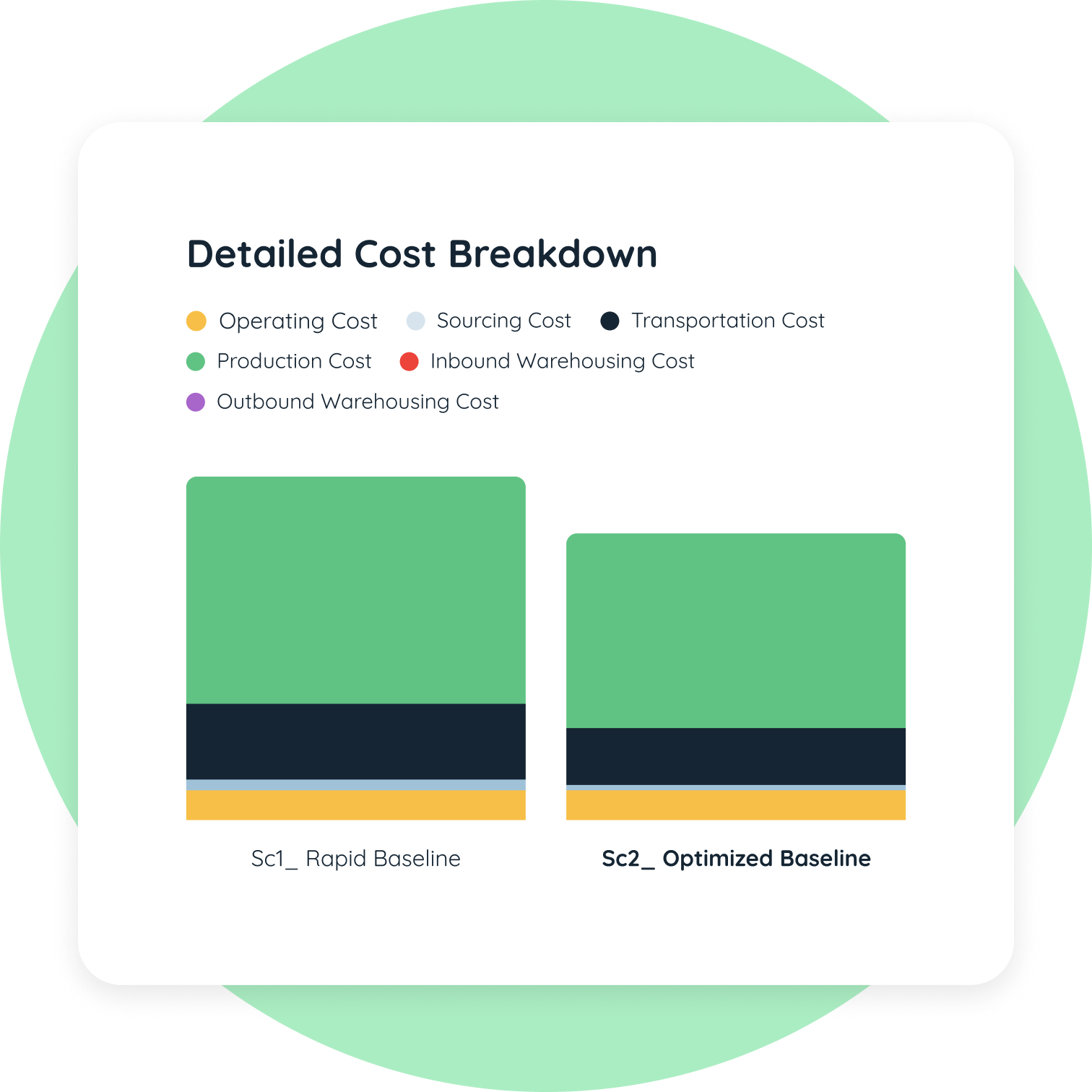
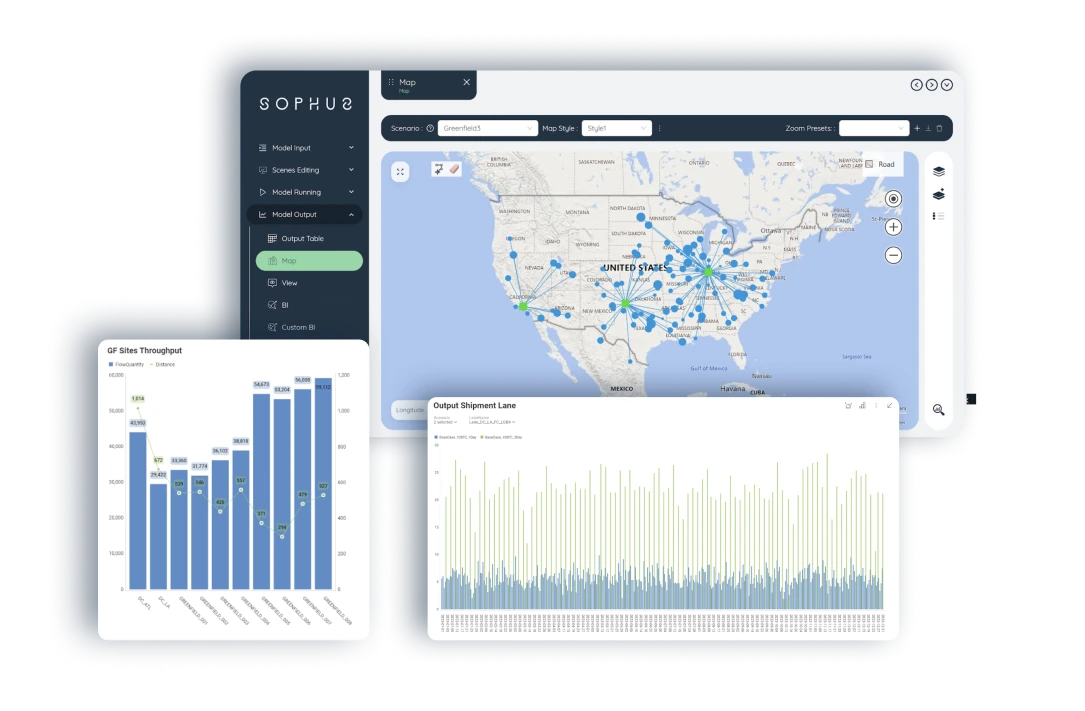
The Sophus Advantage: Sophus uses advanced solver engines to evaluate millions of potential network configurations. Rather than just following static rules, Sophus evaluates all end-to-end constraints (capacities, lead times, costs) to mathematically determine the most profitable or lowest-cost supply chain structure.
Faster Time to Value
-
The o9 Limitation: Because of its broad ecosystem and generalist approach, o9 implementations are notoriously heavy, often taking 6 to 12 months just to configure the environment before yielding actionable insights.
-
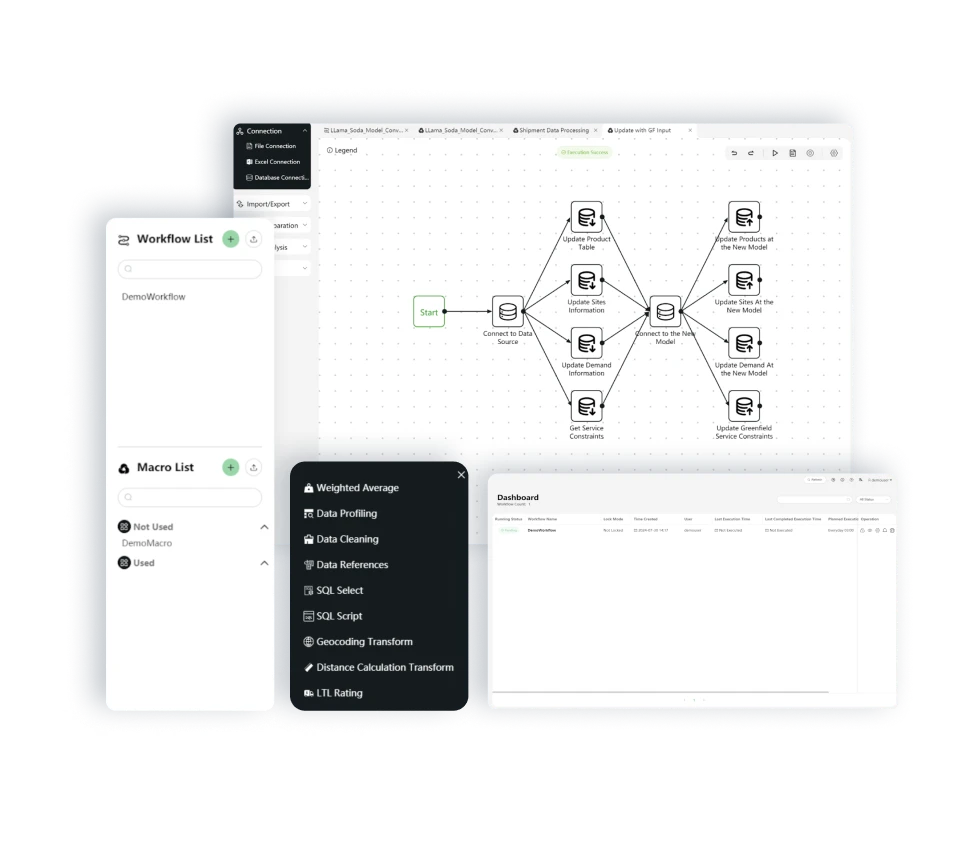
The Sophus Advantage: Sophus is purpose-built for speed and agility, utilizing a “Run Early, Run Often” methodology. Teams can rapidly stand up a digital twin of their network, moving from a blank slate to a validated baseline in a matter of weeks or days, allowing planners to identify optimization opportunities and ROI incredibly early in the process.
Specialized Modeling vs. Broad Planning Suite
- The Difference: o9 is designed as a broad IBP ecosystem covering multiple planning areas. This generalist approach can increase configuration effort when the primary need is focused on supply chain optimization optimization.
- The Sophus Advantage: Sophus is purpose-built for supply chain optimization. With built-in data automation (Dastro), data cleaning and preparation are simplified, reducing a common bottleneck in large-scale planning deployments.
Built-In Network Optimization
- The o9 Limitation: o9 is primarily positioned as an operational IBP platform. Organizations looking to answer complex strategic questions about facility locations, footprint rationalization, or product flow paths often need to procure and integrate additional tools.
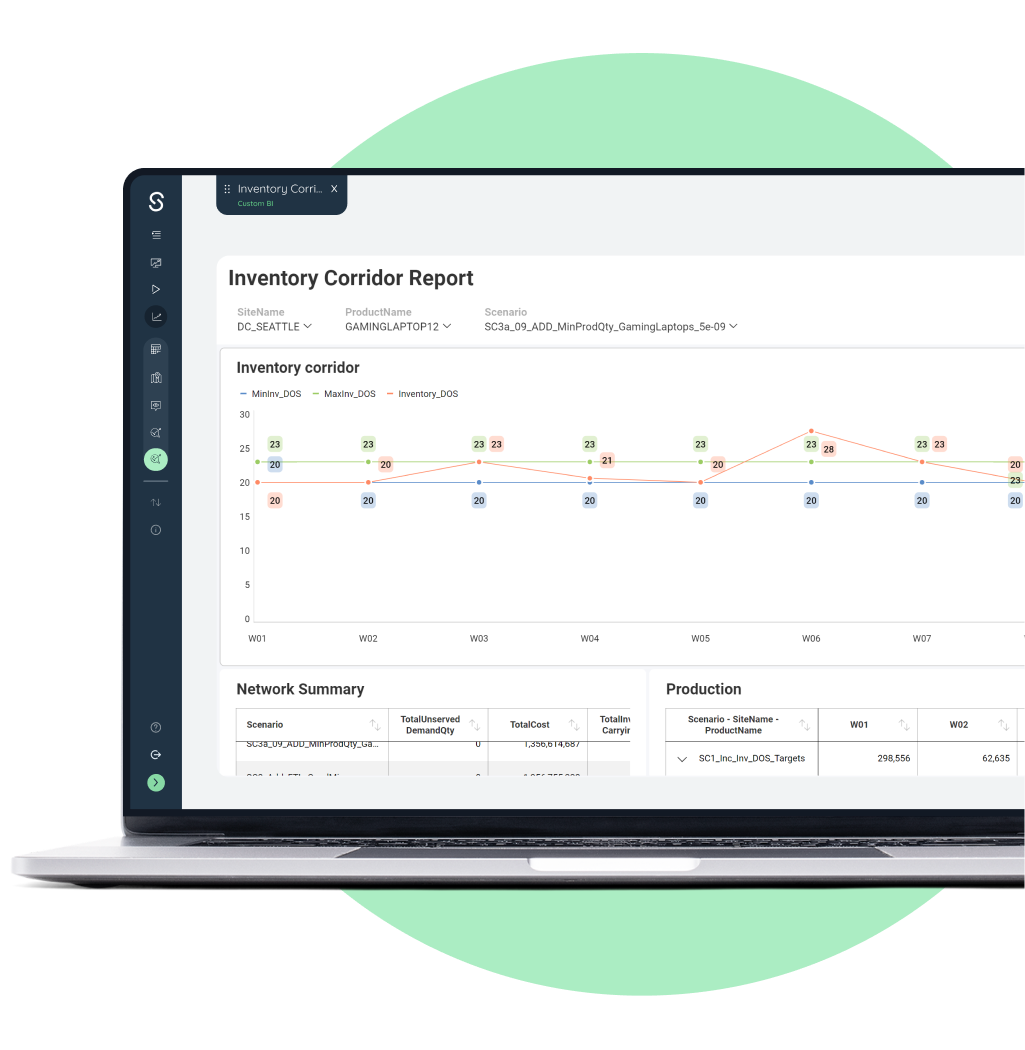
- The Sophus Advantage: Sophus includes Network Design as a core capability. Teams can seamlessly evaluate facility locations, optimal product flow-paths, optimal production plan and multi-echelon inventory decisions all within the same unified platform.

True “What-If” Scenario Scalability
- The o9 Limitation: Running massive, structural “what-if” scenarios is cumbersome when tied to heavy, rigid IBP ecosystems.
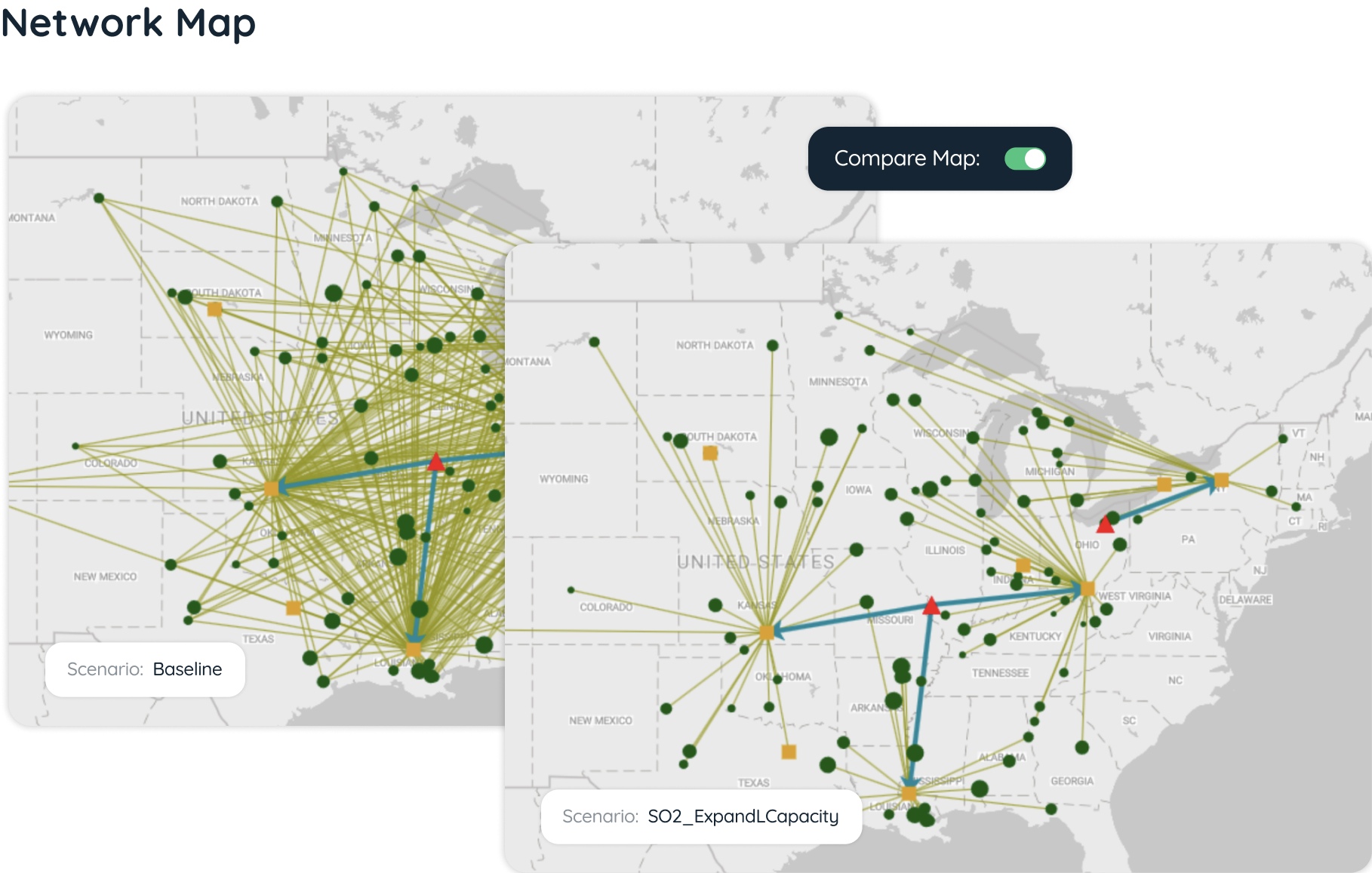
- The Sophus Advantage: Sophus features an advanced Scenario Manager that allows users to run hundreds of complex what-if scenarios in parallel in the cloud, testing major disruptions, tariff changes, or capacity shifts.
Considering o9 Solutions alternatives
For teams that need faster time to insight, built-in network optimization, and a simpler path from data to real decisions, Sophus stands out.
By prioritizing speed, usability, and measurable impact in supply chain planning, Sophus provides a more focused and practical advantage.
Who Should Stay in o9 Solutions
(And Who Shouldn’t)
Who Should Stay in o9 Solutions
(And Who Shouldn’t)
o9 Solutions may be the right fit if:
- You need a broad Integrated Business Planning (IBP) ecosystem that connects multiple planning functions in one large platform.
- Your organization relies heavily on static, rule-based operational execution and coordination rather than supply chain decision intelligence or optimization.
- You have the budget, internal resources, and patience for a long (often lead to 12 month and years) implementation cycle with significant customization.
- You work closely with established consulting partners and are comfortable with a partner-led, resource-intensive deployment model.

Sophus is a better fit if you:
Need built-in network design and optimization, not just planning overlays.
Want faster time to insight with rapid what-if scenario planning.
Prefer a modern, code-free interface.
Want lower implementation complexity and automated data workflows.
Require deployment flexibility, including private cloud or on-premise options.
Sophus: A Clearer Path to Better Supply Chain Decision Intelligence
Sophus stands out as a strong o9 Solutions alternative for supply chain decision intelligence because it combines deep optimization, faster time to insight, and a simpler user experience within one focused platform. While broad IBP ecosystems serve wide planning needs via rigid rules, Sophus is built to deliver mathematically optimal results quickly through rapid baselining, automated data workflows, and scalable solver performance.
For organizations seeking a more agile, lower-complexity approach to supply chain planning and network design, Sophus provides a clear path from data to decisions without the heavy implementation burden often associated with large planning suites.
For organizations seeking a practical River Logic alternative that supports modern supply chain planning with lower complexity and quicker time to insight, Sophus provides a more agile and sustainable path forward.
Sophus stands out as a strong o9 Solutions alternative for supply chain decision intelligence because it combines deep optimization, faster time to insight, and a simpler user experience within one focused platform. While broad IBP ecosystems serve wide planning needs via rigid rules, Sophus is built to deliver mathematically optimal results quickly through rapid baselining, automated data workflows, and scalable solver performance.
For organizations seeking a more agile, lower-complexity approach to supply chain planning and network design, Sophus provides a clear path from data to decisions without the heavy implementation burden often associated with large planning suites.
For organizations seeking a practical River Logic alternative that supports modern supply chain planning with lower complexity and quicker time to insight, Sophus provides a more agile and sustainable path forward.
Ready to make the switch?