

Inventory in the wrong place might as well not exist.
When the product you need is stocked away from the customer, the outcome is always the same. You either place a new replenishment order to a nearby warehouse and wait weeks for it to arrive, or you transfer it from another location and pay through the nose to rush it over.
On paper, you’re fully stocked. In reality, shelves are empty where demand actually lives. Sales stall, cash gets trapped in the wrong corners of the network, and teams stop trusting the plan. The inventory is there but not there. And that gap between where stock sits and where it’s needed is where cost and margin quietly bleed every single day.
This problem rarely starts at the warehouse. It starts with legacy inventory planning. These tools were built for slower markets with stable demand. They rely on fixed rules, static forecasts, and delayed updates. Today’s supply chains move faster, spread wider, and change daily. What worked five years ago now creates dangerous blind spots.
When old planning logic runs modern operations, the same damage repeats itself. Stockouts rise. Safety stock balloons. Service levels drop. Teams stay stuck in firefighting mode instead of planning for growth.
That is why understanding the top legacy inventory planning failures you should avoid is no longer optional. It is a survival move.
What Bad Inventory Planning Really Costs You?
Bad planning costs companies money, time, and customer trust. It creates blind spots in demand, weakens cash flow, and keeps teams stuck in constant reaction mode. Decisions rely on outdated data instead of real signals. As a result, businesses swing between too much stock and not enough. Both lead to waste, delays, and lost growth.
Overstocking Becomes Routine
Legacy inventory planning systems are designed to avoid stockouts at all costs. To stay “safe,” they rely on fixed buffer rules that rarely change. When demand slows down or shifts, these buffers remain in place. This causes inventory to pile up quietly across warehouses. Over time, excess stock locks up working capital, increases storage and handling costs, and raises the risk of damage and obsolescence.
What actually fixes this: Inventory protection must shift with demand, lead-time changes, and service needs. When safety stock adjusts dynamically instead of staying frozen, overstocking naturally reduces.
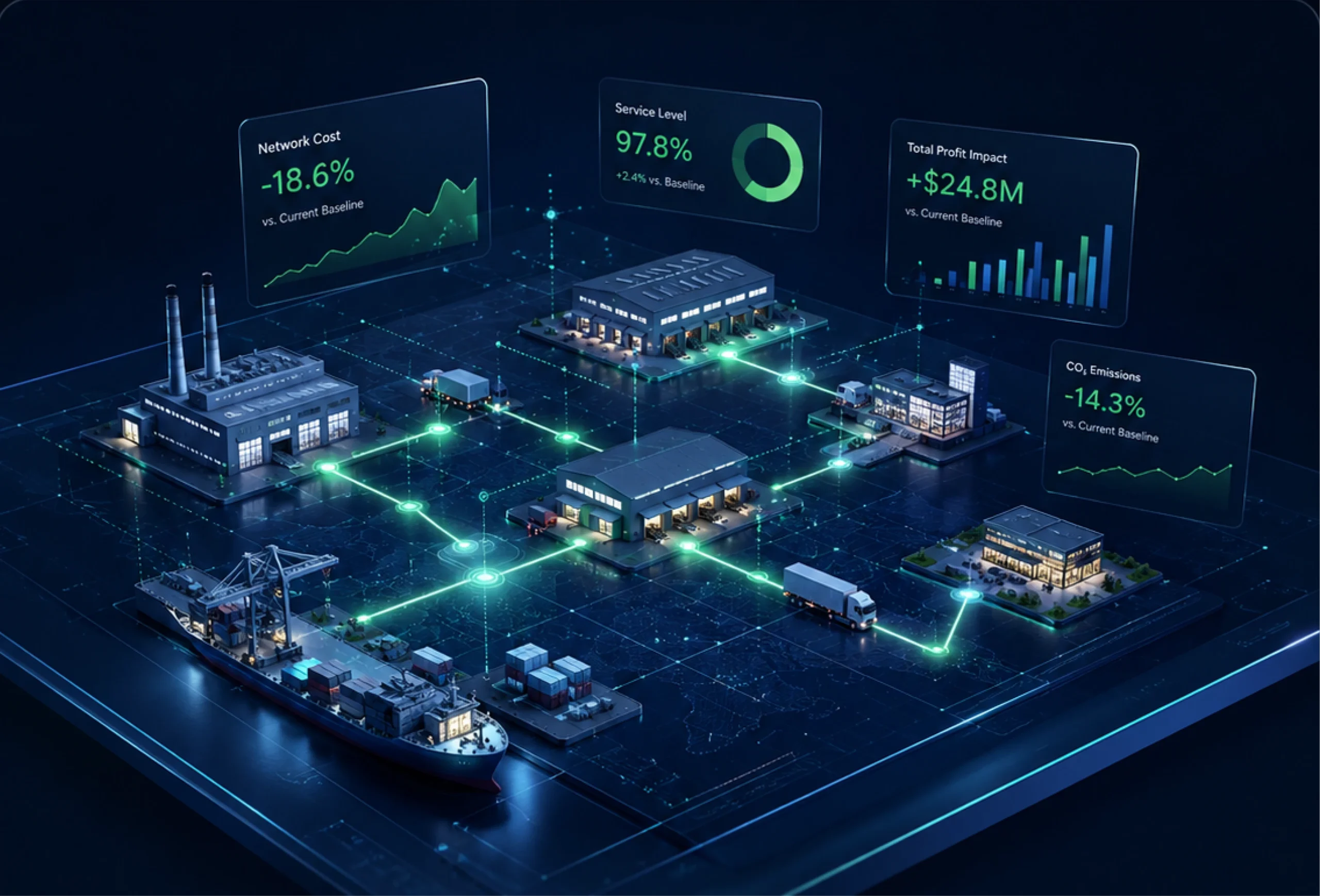
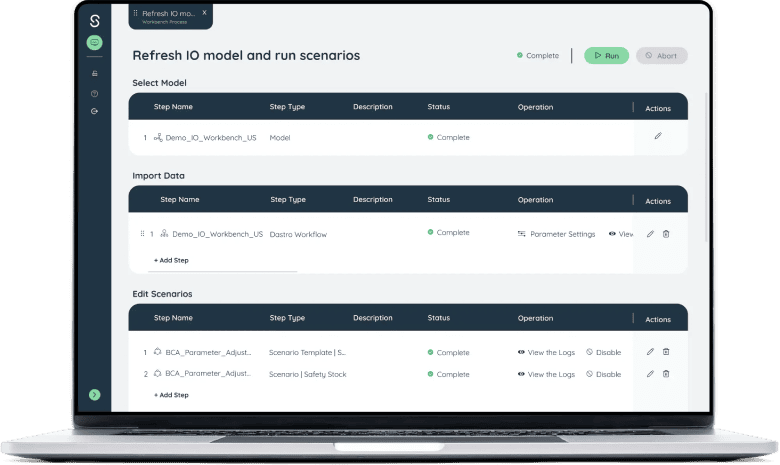
Sophus prevents overstocking by aligning inventory buffers with real demand risk, not outdated rules. It dynamically adjusts safety stock across the network, cutting excess inventory while safeguarding service levels.

Inventory Planning with Sophus
By optimizing buffers at the network level, Sophus ensures protection matches true risk exposure rather than static assumptions.
Understocking Remains Unavoidable
While one part of the network holds excess stock, another often faces empty shelves. Legacy systems react too slowly to real demand shifts. Promotions, sudden order spikes, or regional demand changes take time to reflect in static plans. By the time replenishment kicks in, sales opportunities are already lost. Customers face backorders, delayed shipments, and broken trust. The business ends up carrying inventory but still failing to meet customer demand.
What actually fixes this: Planning must sense demand faster and trigger replenishment while demand is forming, not once it peaks. Faster updates and adaptive replenishment logic are key to preventing stockouts without overstocking.
Sophus fixes this by sensing demand faster and triggering replenishment dynamically, so inventory adapts prevent stockouts without creating overstock.
Depends on Outdated Demand Forecasts
Legacy forecasting models assume tomorrow will look like yesterday. They lean heavily on historical sales data and fixed seasonal patterns. This approach fails when customer behavior changes, new channels emerge, or market conditions shift suddenly. When forecasts fall behind reality, every downstream decision breaks. Ordering, replenishment timing, and inventory placement all become misaligned. Even a small forecast error multiplies into large service and cost issues across the network.
What actually fixes this: Forecasts must refresh frequently and absorb current sales, demand signals, and market changes. Forecasting should guide decisions, not trap the business in old demand assumptions.
Uses Rigid Reorder Point Logic
Reorder points in legacy systems are often set once and reused for months. They do not adjust when lead times change, suppliers delay shipments, or transport constraints appear. If demand increases unexpectedly, replenishment triggers too late. If demand drops, the system keeps ordering unnecessarily. This rigid logic creates a cycle of late reactions, excess ordering, and emergency fixes.
What actually fixes this: Reorder points must adjust dynamically using real lead times, supplier performance, and current demand behavior. Adaptive logic replaces static thresholds and helps keep inventory aligned with real conditions.
Plans Each Location in Isolation
Legacy planning treats each warehouse, DC, or store as a standalone unit. It does not see how excess stock at one location could instantly solve shortages at another. As a result, one site overflows while another runs dry. Companies then rely on rush transfers, manual rebalancing, and expedited freight to patch the gaps. These fixes raise costs and increase planning noise.
What actually fixes this: Inventory must be planned as a connected network, not as isolated nodes. When the system balances supply and demand across locations, stock flows to where it creates the most value.
Cannot Handle Multi-Echelon Complexity
Modern supply chains operate across multiple layers such as central DCs, regional hubs, forward locations, and stores. Legacy systems struggle to coordinate inventory across all these levels together. They often overprotect upstream nodes while starving downstream points closest to customers. This creates bottlenecks, uneven service levels, and delayed fulfillment. Each layer optimizes itself, but the full system performs poorly.
What actually fixes this: Inventory must be optimized across all echelons at once, with consistent service targets across the full network.
Sophus solves multi‑echelon complexity by optimizing inventory across all layers simultaneously, not in silos. It balances buffers and service targets end‑to‑end, preventing upstream overprotection and downstream shortages.
Does Not Adapt to Network Changes
Supply chains evolve constantly. New DCs open. Suppliers change. Transport routes shift. Legacy planning systems require heavy manual setup when the network changes. New rules must be rebuilt, tested, and stabilized over long cycles. During this adjustment phase, planning accuracy drops, and errors increase across the network.
What actually fixes this: Planning systems must adapt automatically when the network changes. New nodes should plug into logic rapidly without long rule rebuilds.
Sophus adapts instantly to network changes through fast scenario modeling and rapid reconfiguration. New nodes, suppliers, or routes plug into its logic seamlessly, eliminating long rule rebuilds and keeping planning accuracy stable.
Relies Heavily on Manual Corrections
Because system recommendations rarely match real operations, planners spend hours each day overriding suggested orders, safety stock levels, and transfers. These manual changes may fix short-term issues but slowly destroy consistency. Each planner applies personal judgment instead of shared logic. The system becomes a passive reporting tool rather than an active decision engine.
What actually fixes this: When planning logic mirrors reality more closely, trust returns. Planners stop fighting the system and start working with it. Manual effort drops naturally when recommendations align with real constraints.
Slow Reaction to Market Disruptions
Legacy planning systems react after a disruption has already caused damage. Supplier delays, transport breakdowns, demand spikes, or regional shutdowns take time to appear in reports. By the time the system reflects the issue, shipments are already late and sales are already lost. The business ends up paying for emergency freight, last-minute sourcing, and service recovery instead of preventing the issue early.
What actually fixes this: Planning must simulate risk before disruption spreads.
Sophus digital twin simulations allow teams to see disruption impact early and rebalance the network before losses occur.
Conclusion
Legacy inventory planning was built for a slower, simpler world. Today’s supply chains move faster, operate across more locations, and face constant change in demand, supply, and risk.
Modern supply chains need planning that adapts as fast as the business itself. This means connected network planning, multi-echelon coordination, real-time visibility, and the ability to simulate risk before it turns into loss.
When these capabilities come together, inventory shifts from being a cost burden to a competitive advantage. This is where Sophus adds real value, not by replacing planners, but by giving them a system that finally moves at the same pace as the market.
Talk to the Sophus team today to explore a focused pilot, regional use case, or full network assessment and see what modern inventory planning really looks like.