
Login

Supply Chain Network Design Software

Design the Network Your Growth Demands
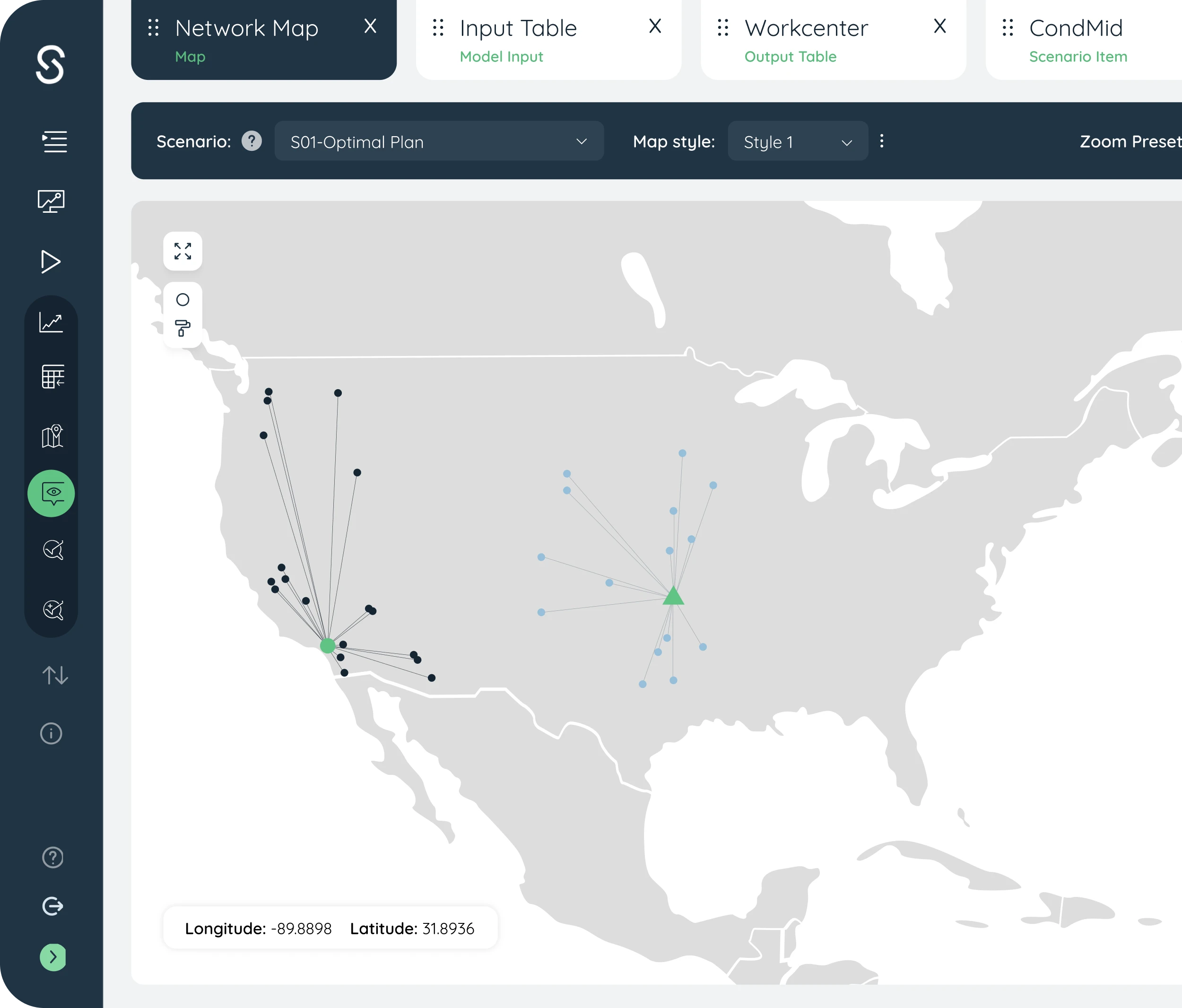
Sophus gives growing companies a real modeling platform to design, test, and optimize their supply chain network, so every major decision is backed by data instead of guesswork.

Trusted by Growing Companies at Every Stage of Network Design Maturity

kitchen craft
good year
hisense
tompkins
grupo boticario
midea
A Different Stage Needs A Different Approach

Network Design Isn’t Optional Anymore.

Once a company grows past a certain revenue threshold, supply chain decisions become exponentially more complex. New facilities, suppliers, and markets come online faster than planning cycles can keep up. Customer demand shifts, transportation costs fluctuate, tariffs change overnight, and a single disruption can ripple an entire network.The spreadsheets and manual processes that got you here weren’t built for this level of complexity.

YESTERDAY 
Simple to manage. 
Easier to plan. 

Fewer facilities

Fewer suppliers

More predictable demand

GROWTH THRESHOLD

Beyond this point, complexity accelerates exponentially.

TODAY
Exponential complexity.
Every decision impacts more.
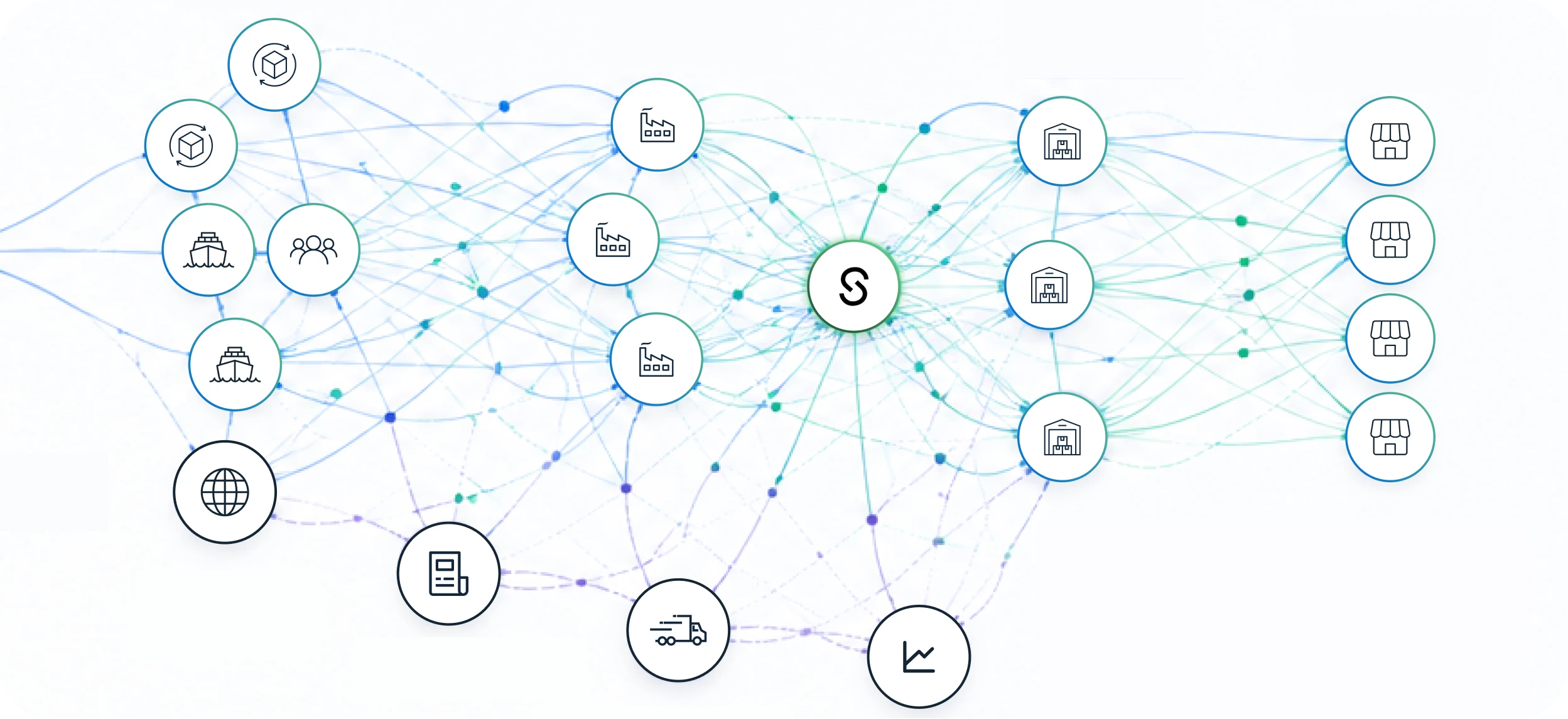
More facilities

More suppliers

More SKU’s and customers

More variability

More risk

More decisions/span>

Sophus helps growing companies turn network design into an ongoing business capability. Instead of reacting to change after it happens or relying on expensive consulting projects, your team can continuously model scenarios, evaluate trade-offs, and understand the impact of every decision before it’s made.

Sophus X and Dastro

Model the Network You Actually Need. Then Optimize Every Flow Through It.
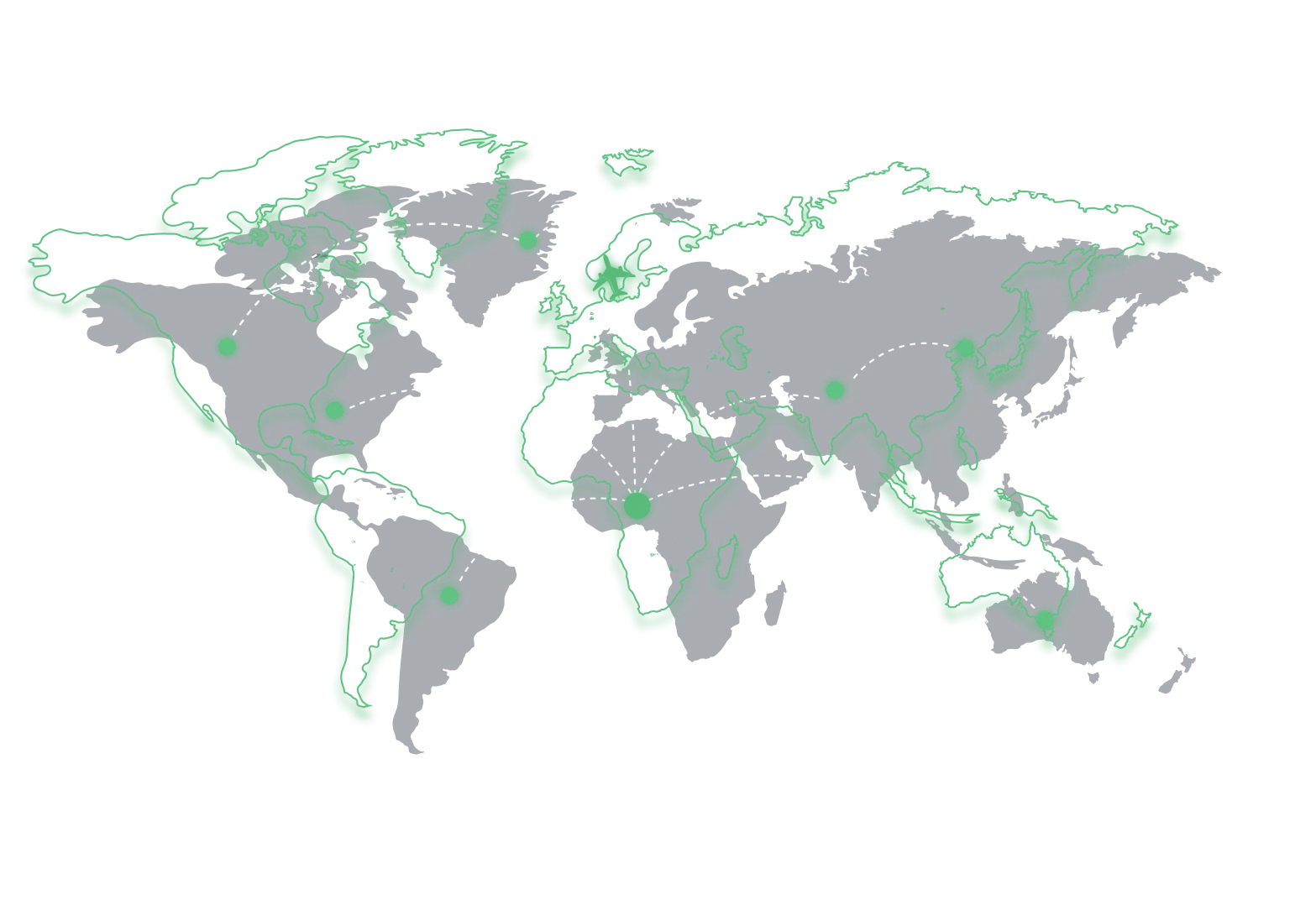
Sophus replaces manual, ad hoc processes with supply chain network design and optimization software built for mid-market operations teams, so every facility, flow, and cost lives in one model your team can re-run whenever a question comes up.

Model Your Entire Network as a Digital Twin

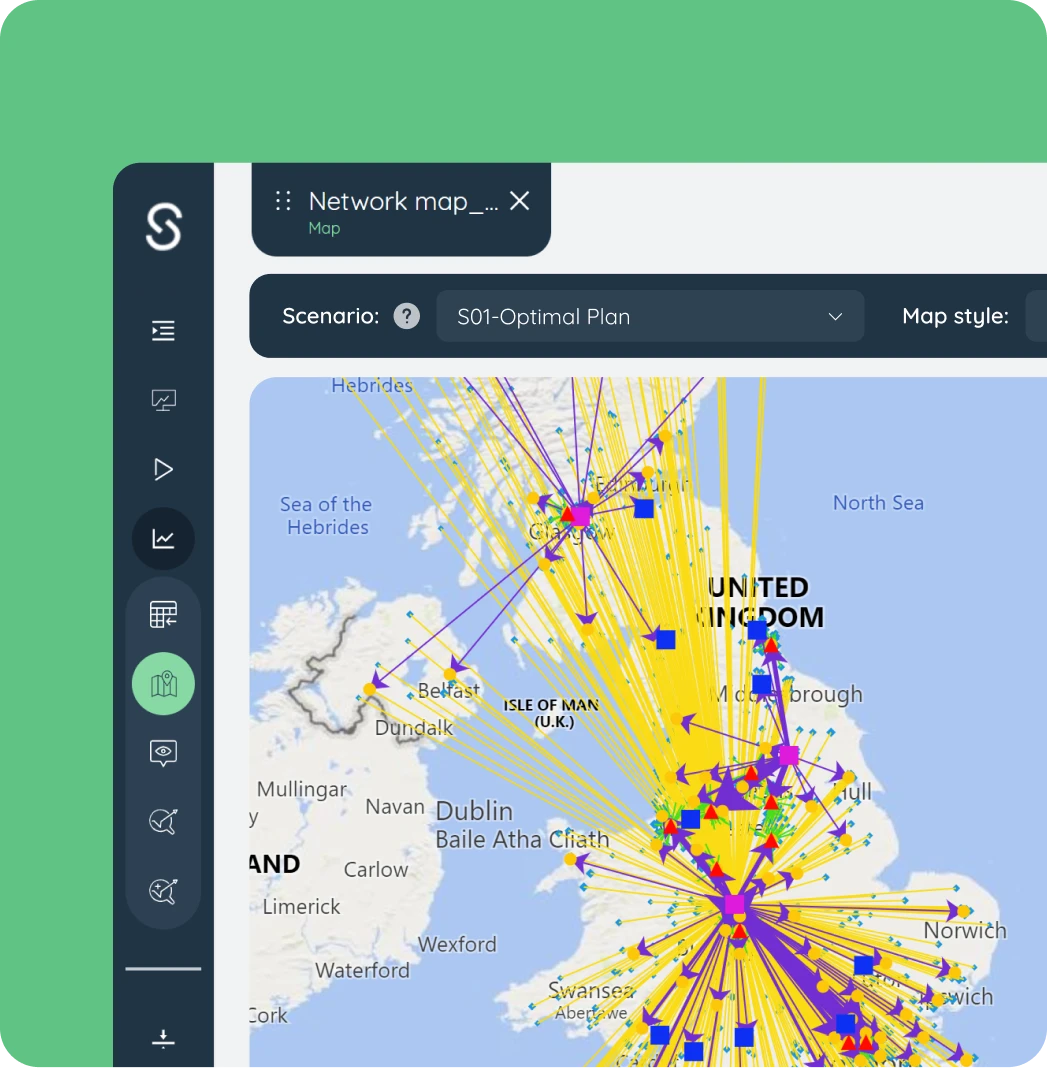
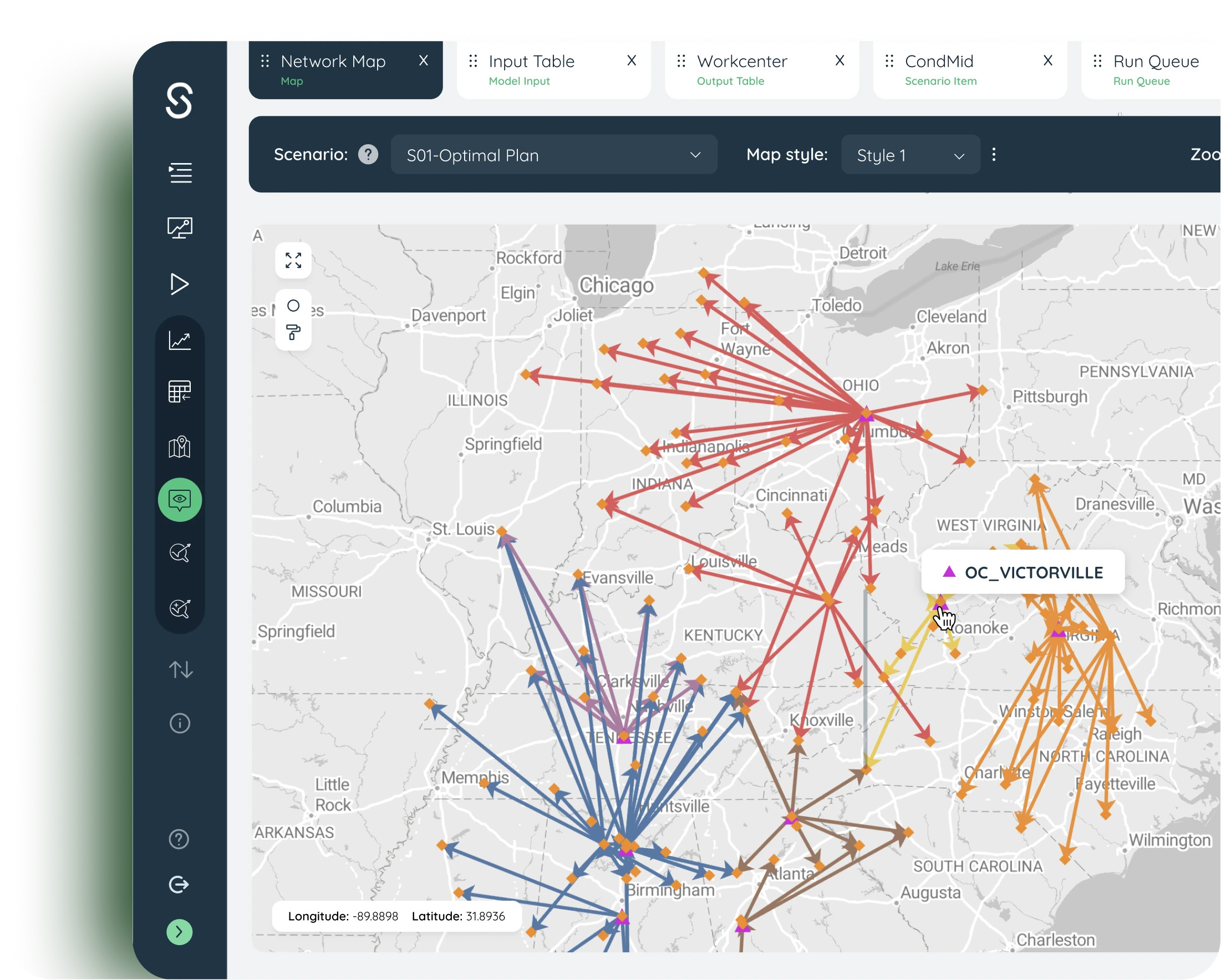
Sophus X builds a living model of your warehouses, production sites, inventory, and transportation lanes, so you can test a decision thoroughly before you commit real money to it.

Get Answers in Hours Instead of Months
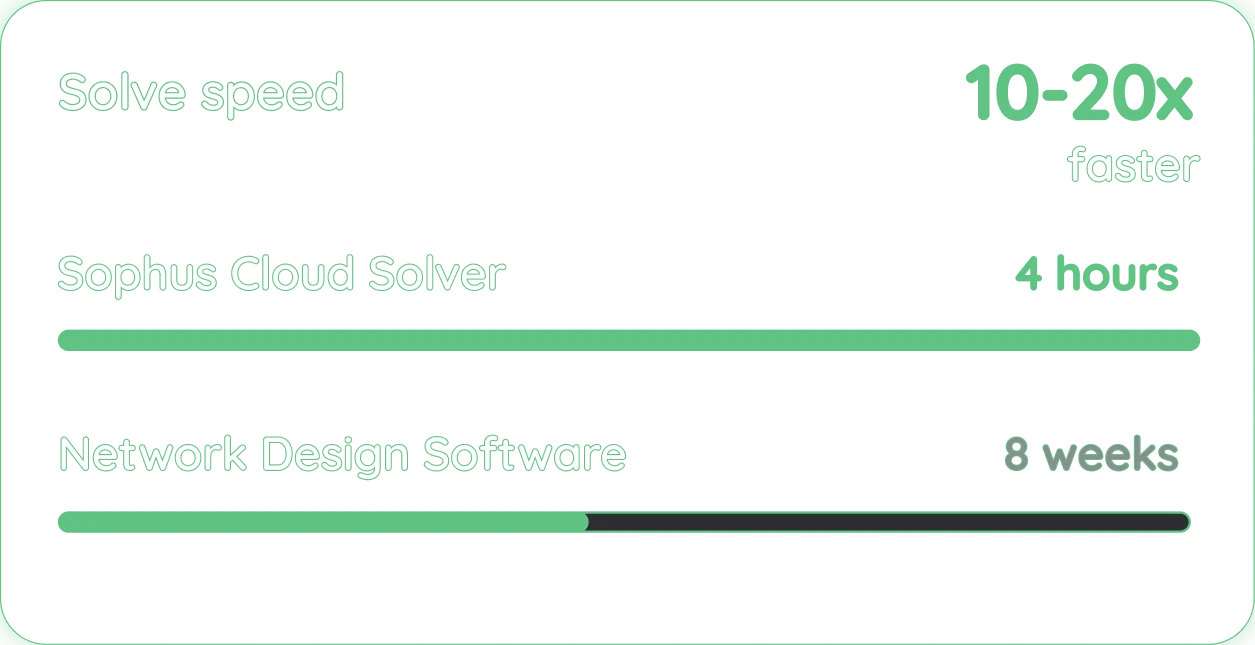
Most network models take weeks of manual data preparation before any analysis can begin. Rapid Baselining builds your starting model in hours rather than the eight weeks a traditional build usually takes.

10-20x faster solves

Built in hours not weeks

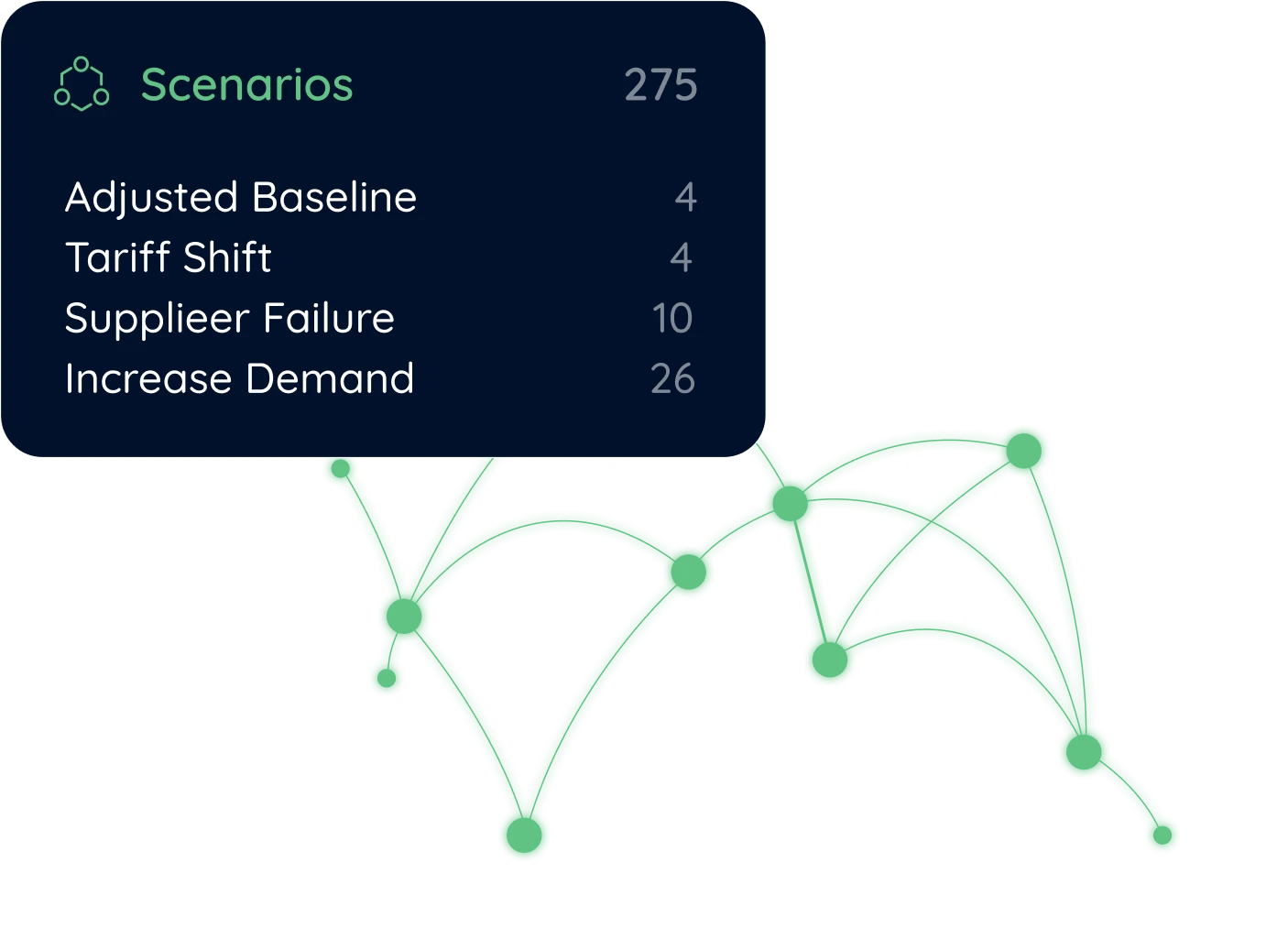
Run Hundreds of Scenarios at Once

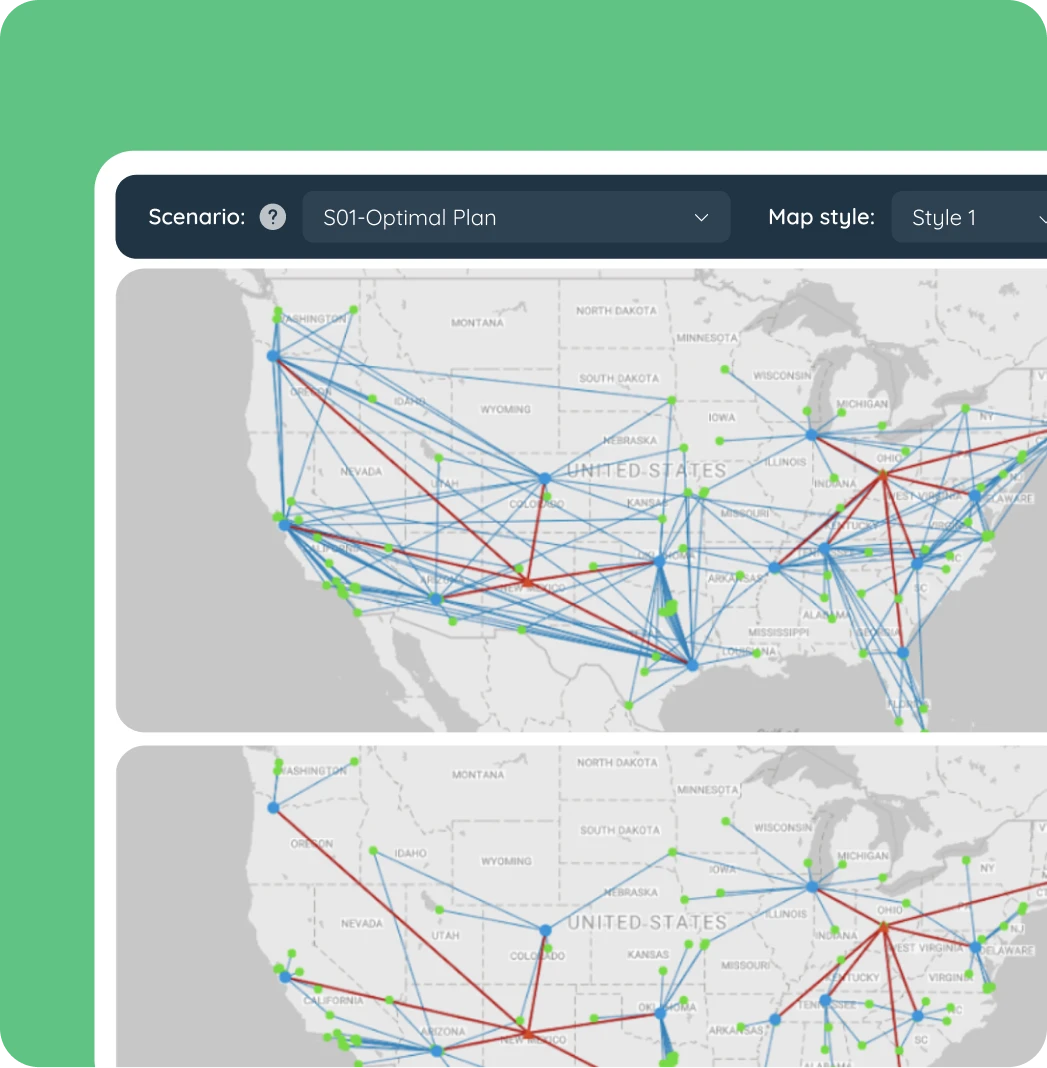
Scenario planning runs complex simulations in parallel in the cloud, so you can test tariff changes, demand spikes, or a lost supplier side by side instead of one at a time.

Compare Scenarios

Simulate Disrubtions

AI Agents That Handle Data Prep and Model Building

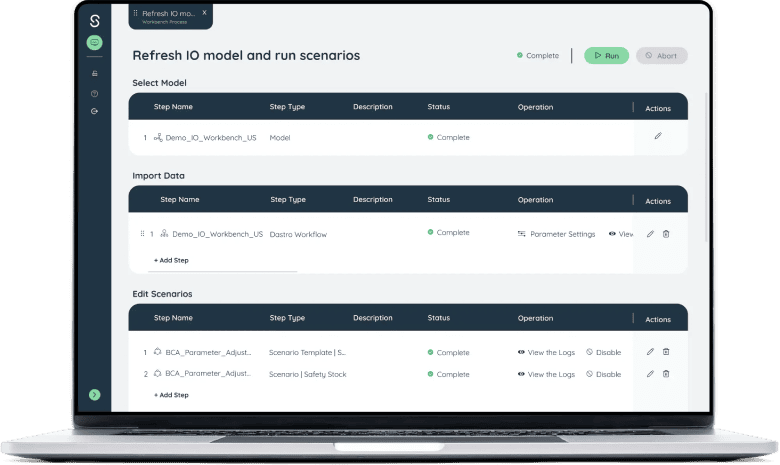
Dastro connects directly to your ERP and other systems, then hands off to the Council of AI Agents, which cleans the data and builds the model automatically. Nobody on your team has to manually rebuild an export every time a question comes up, and the work that used to eat most of your modeling time simply disappears. Your team owns the strategy and the decisions instead.

Cost-to-Serve Analysis Down to SKU, Customer, and Lane

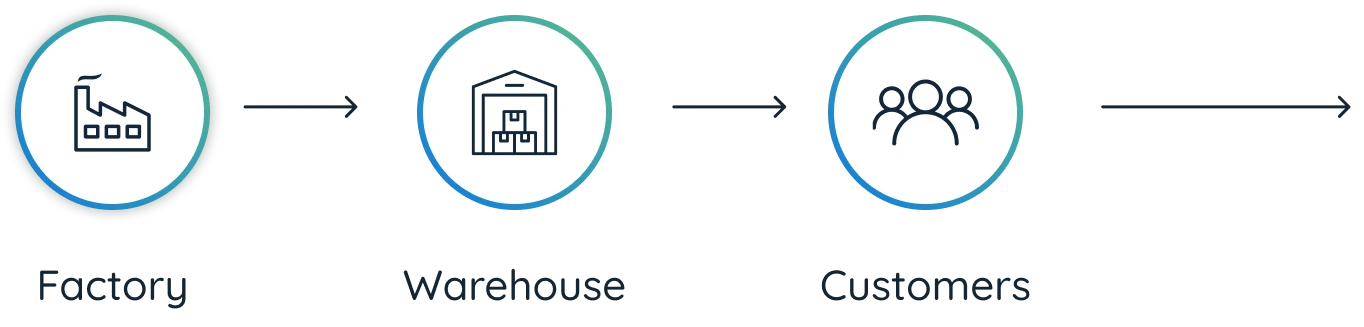
See true margin on every SKU, customer, and lane. Map product flow from the factory floor to the final mile and find exactly where profitability is leaking out of the network.

Track real margins

Expose profit leaks

the platform

One Environment for Every Network Decision
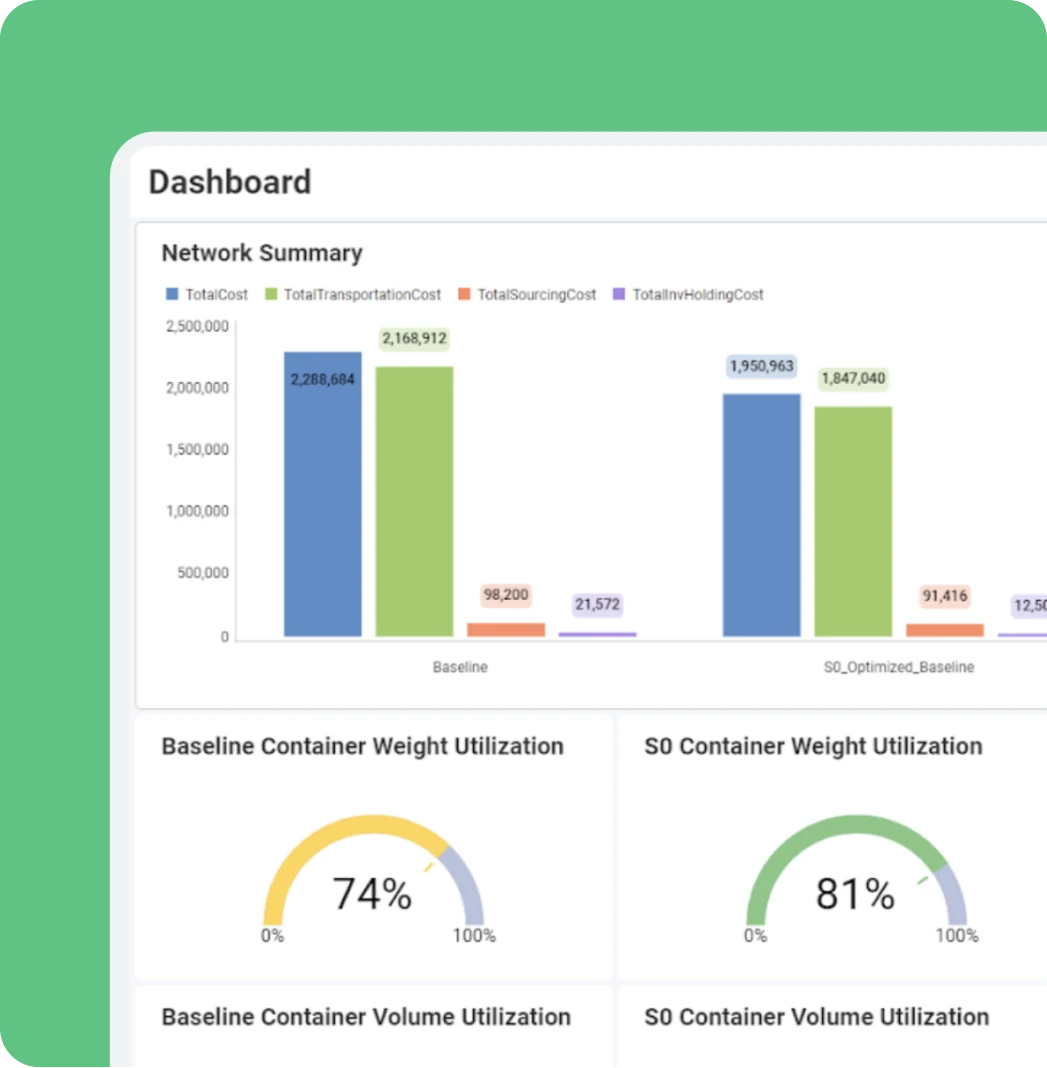
Design, plan, and adapt your supply chain network from a single connected platform, without switching between tools or exporting data by hand.

Network Optimization

Determine the ideal number, location, and role of warehouses, plants, and distribution points across your entire footprint.

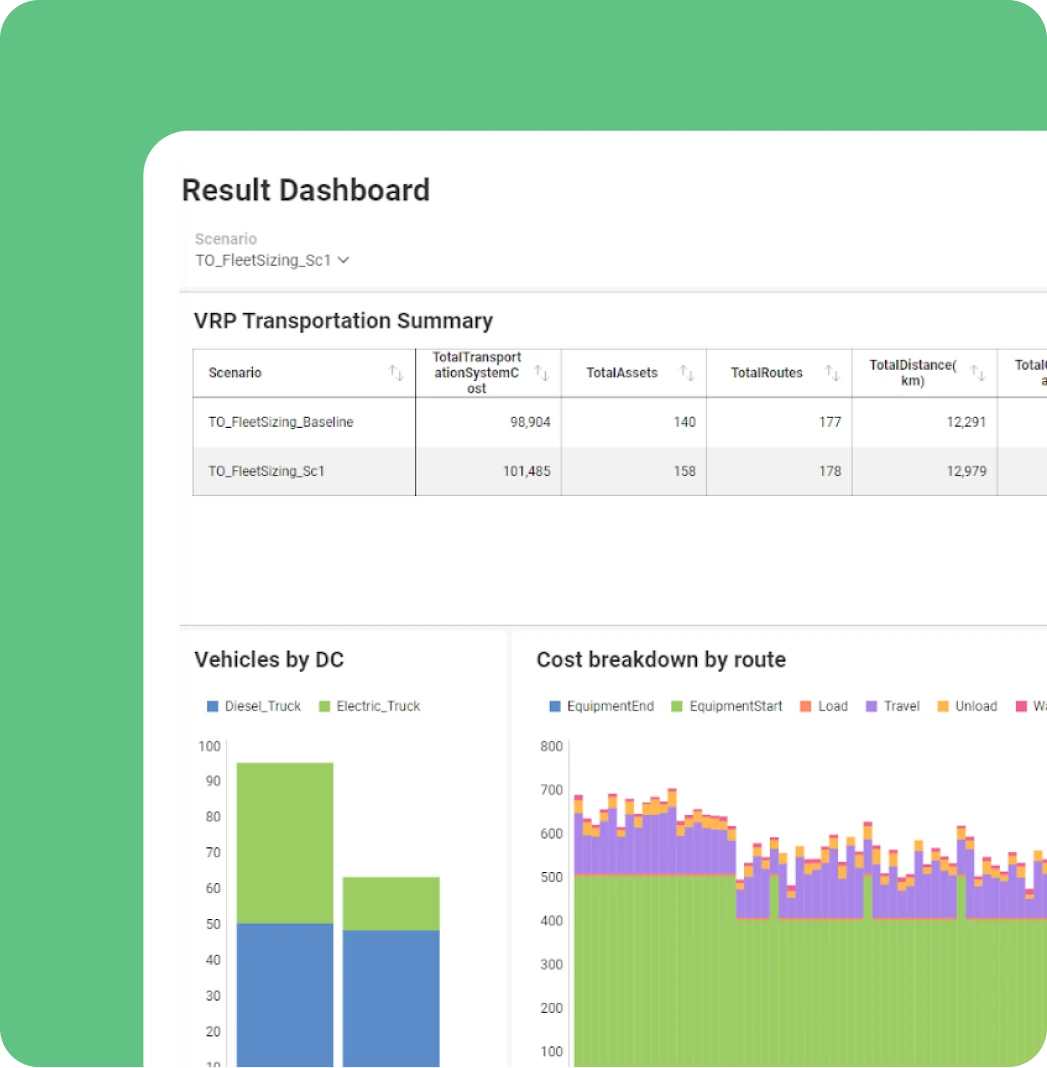
Transportation Optimization

Plan routes, carriers, and equipment choices that balance service levels against cost, so freight spend stops growing faster than revenue.

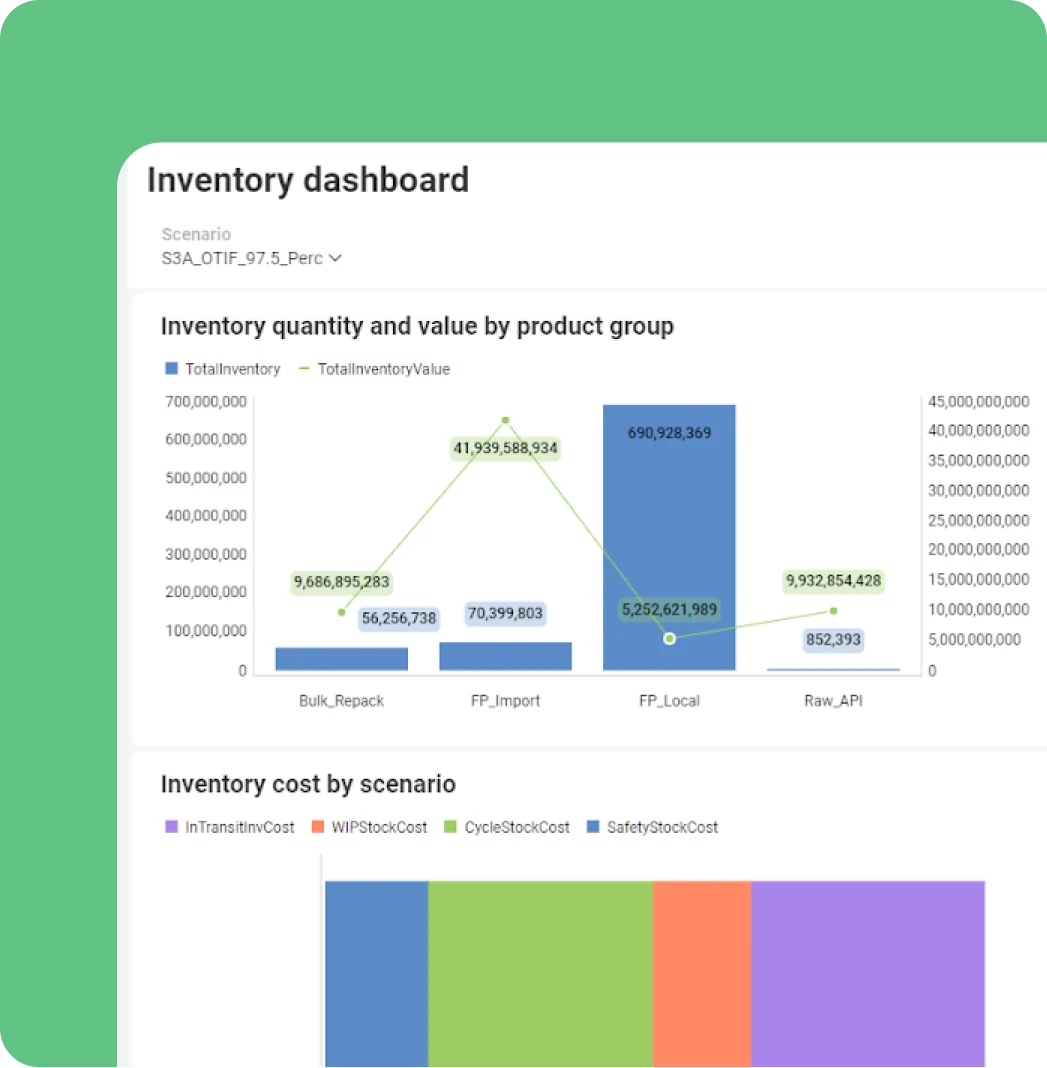
Inventory Optimization

Set safety stock and inventory policy by SKU and location, so working capital is tied up where it actually protects service.

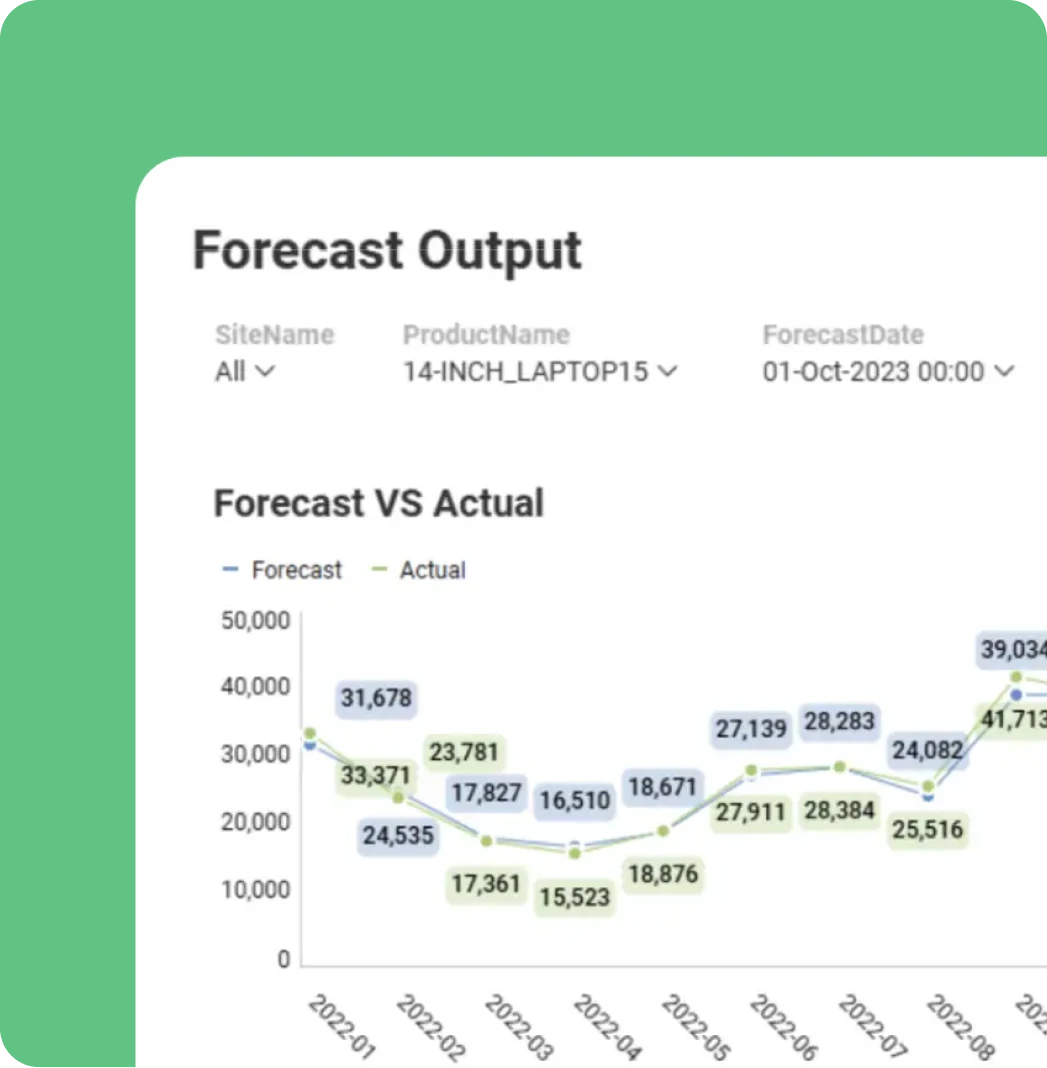
Demand Forecasting

Build forecasts that reflect real demand signals across products, channels, and locations, so planning starts from an accurate picture instead of a rough estimate.

Disruption Simulation

Stress tests your network against a lost supplier, a closed port, or a regional shutdown, so you already know your fallback before disruption hits.

Tariff Impact Planning

Model how shifting trade policy affects landed cost and sourcing strategy, so your team can react in days instead of quarters.

Verified By Gartner Peer Insights

What Verified Users Say on Gartner

4.8 ratings on Gartner Peer Insight

Why sophus

A Different Way to Build This Capability

Most companies assume the only options are muddling through with what they already have, or paying for a large consulting engagement. Sophus is built to be a genuine third option.

The Way Most Teams Work Today

Weeks of manual data preparation before any modeling can start

Outside consultants who leave once the engagement ends

One scenario tested at a time, with no room to test the next one

Knowledge that lives in a single person’s head instead of a shared system

The Sophus Way

A working baseline model ready in hours or days, not months

A platform your own team owns and runs for the long term

Hundreds of scenarios tested in parallel, side by side, in the cloud

A repeatable process that holds up no matter who is running it

Connecting Decisions To Outcomes

Decisions Sophus Helps You Make With Confidence
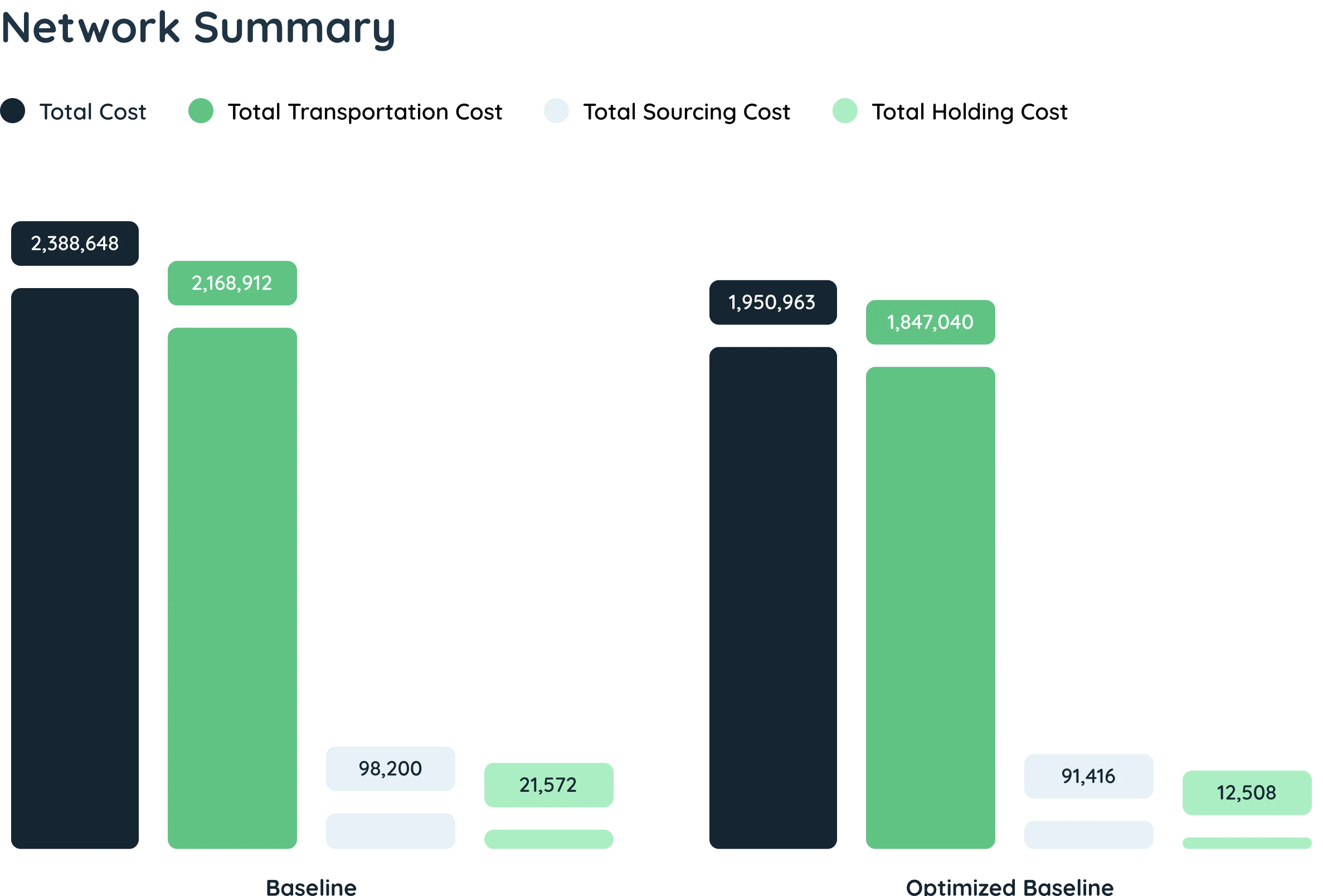
Network Optimization

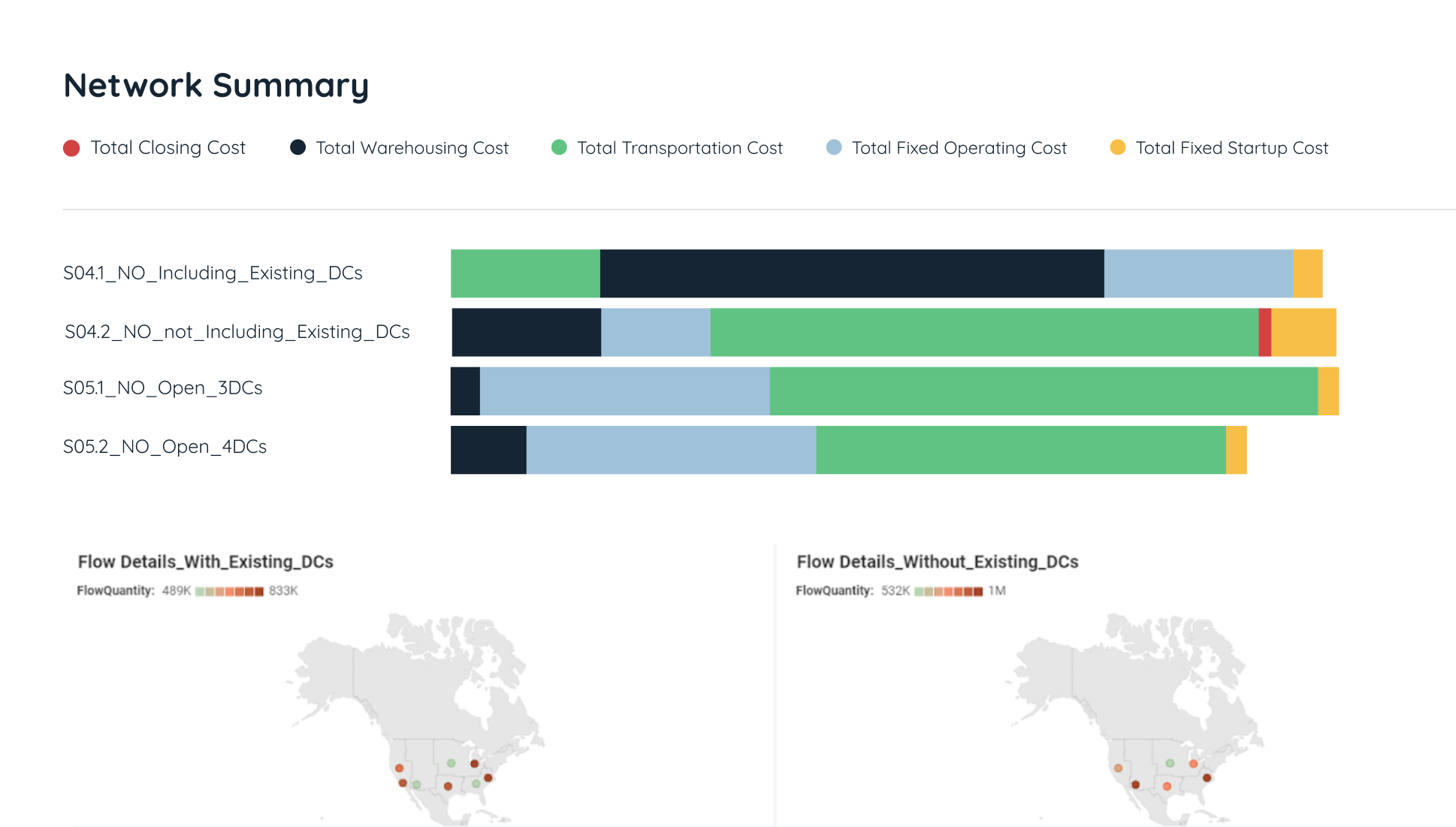
Model your full network end to end and identify the configuration that lowers cost while protecting service levels.

  • Compare dozens of network configurations side by side in a single run
  • Balance cost, service, and capacity constraints at the same time
  • Build a business case leadership can trust before you commit budget
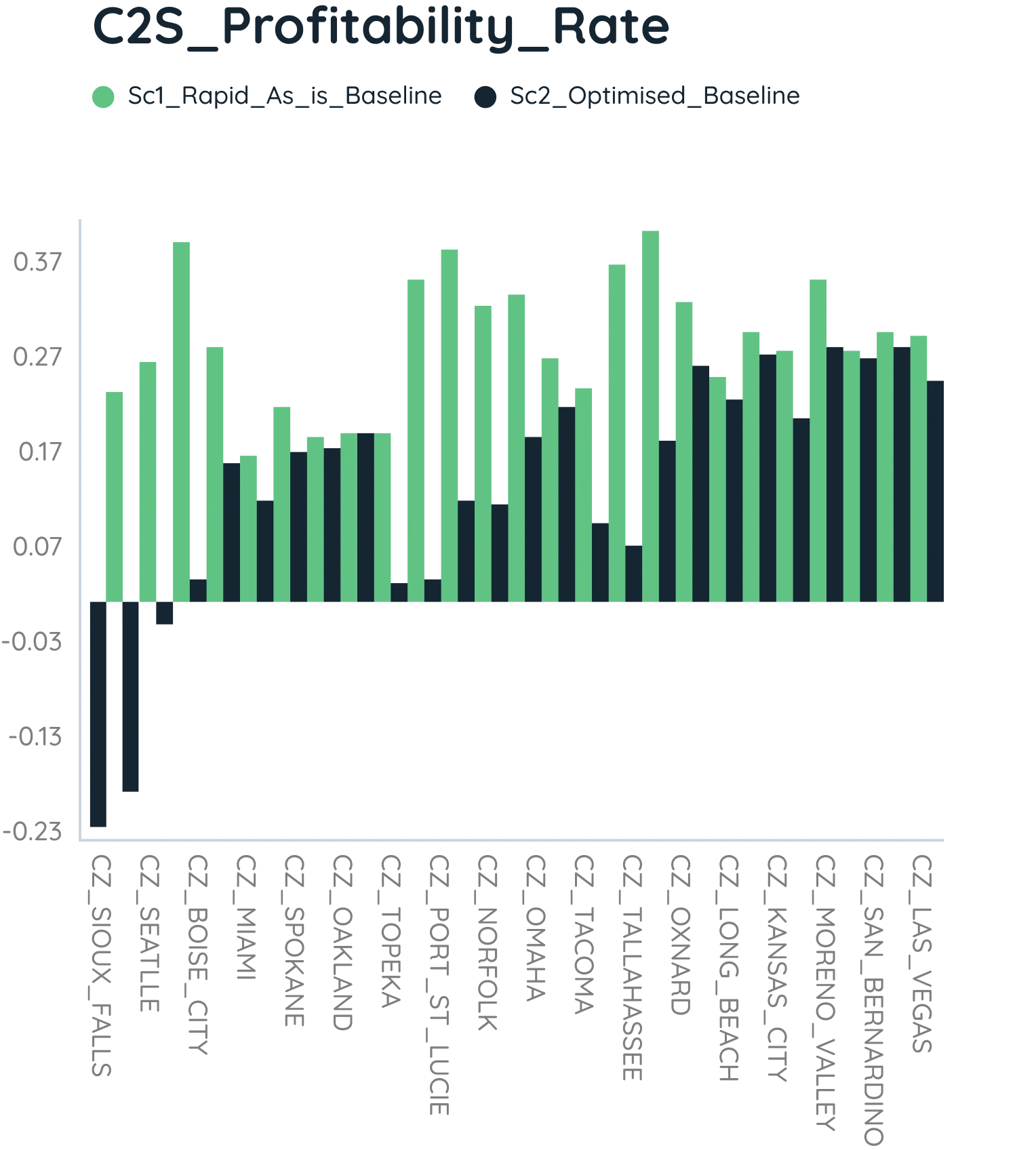
Cost To Serve

Understand true cost by customer, channel, and product, so pricing and service decisions reflect real economics.


  • Break down cost drivers across freight, warehousing, and handling
  • Spot unprofitable orders and customers hiding inside blended averages
  • Give finance and operations a shared, defensible view of margin
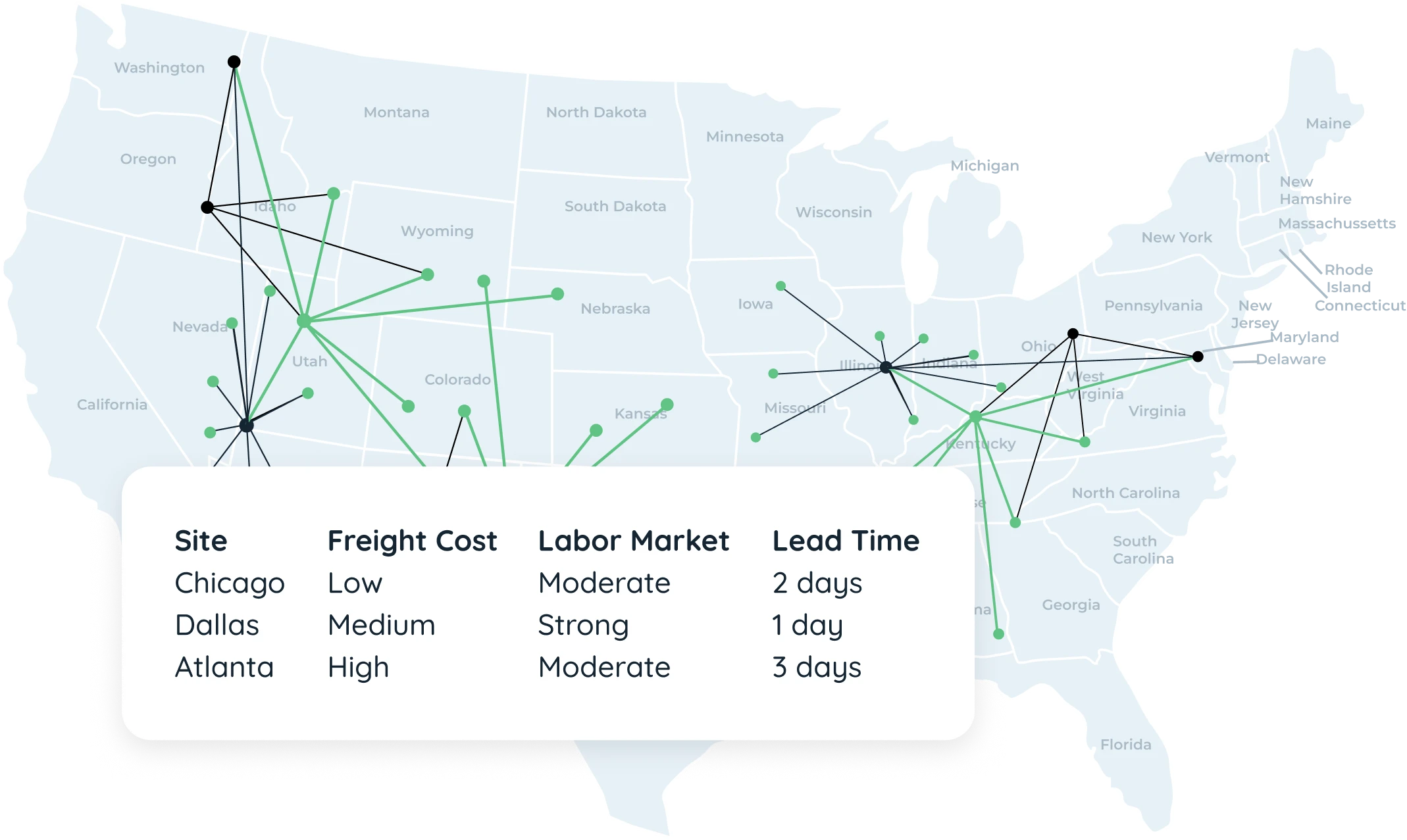
Facility Location

Evaluate where a new warehouse, plant, or cross dock should sit, based on real demand and cost data rather than instinct.

  • Test candidate sites against freight cost, lead time, and labor markets
  • Model growth scenarios years out, not just current volume
  • Avoid a multi million dollar site decision built on a gut call
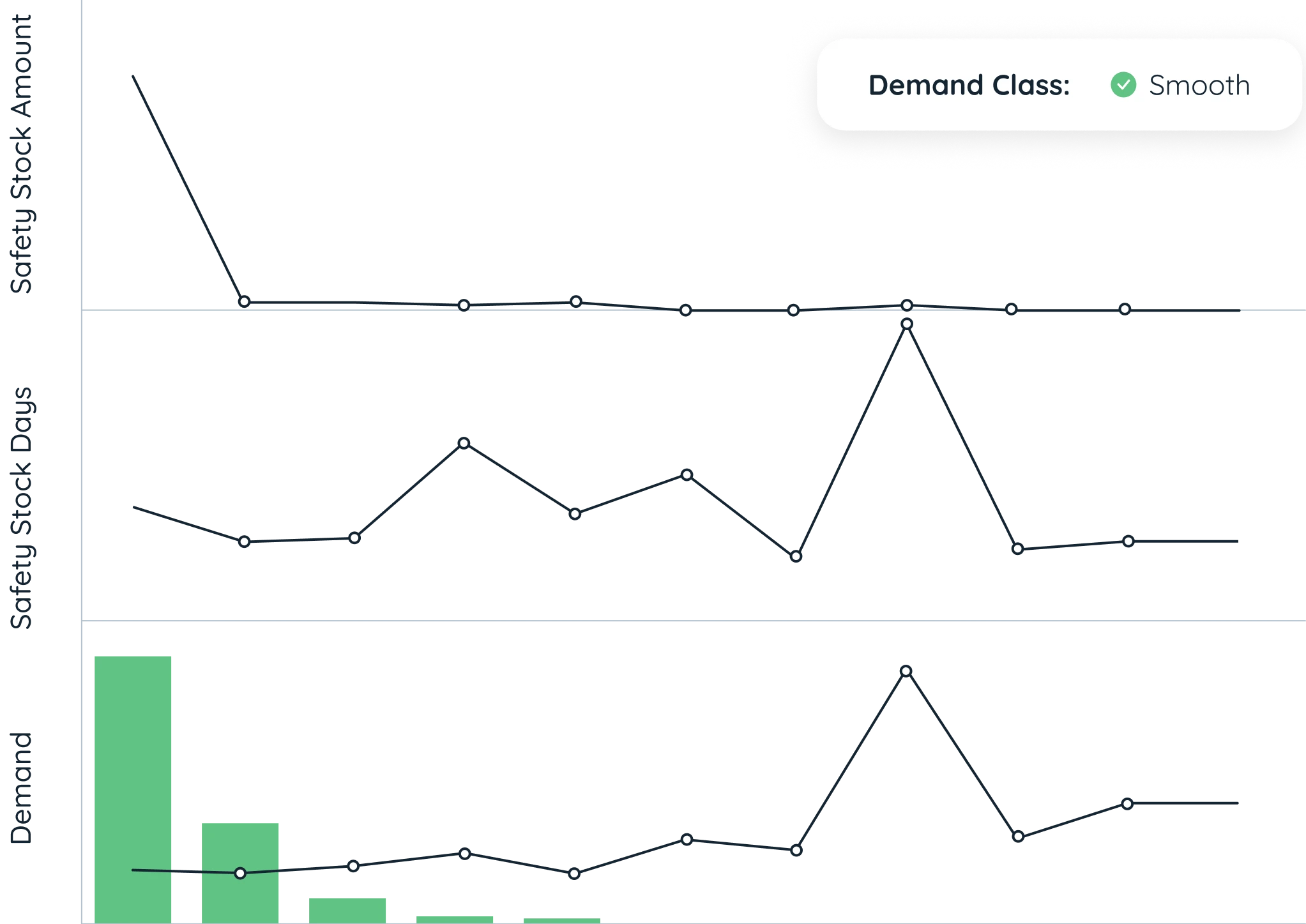
Inventory Strategy

Set inventory policy that matches service goals without tying up more working capital than the business needs.

  • Calculate safety stock by SKU and location instead of one flat rule
  • Model multi echelon inventory across every tier of your network
  • Free up cash currently sitting in excess stock
Tariff Impact


Assess how shifting trade policy affects total landed cost, supplier strategy, and routing before the change takes effect.


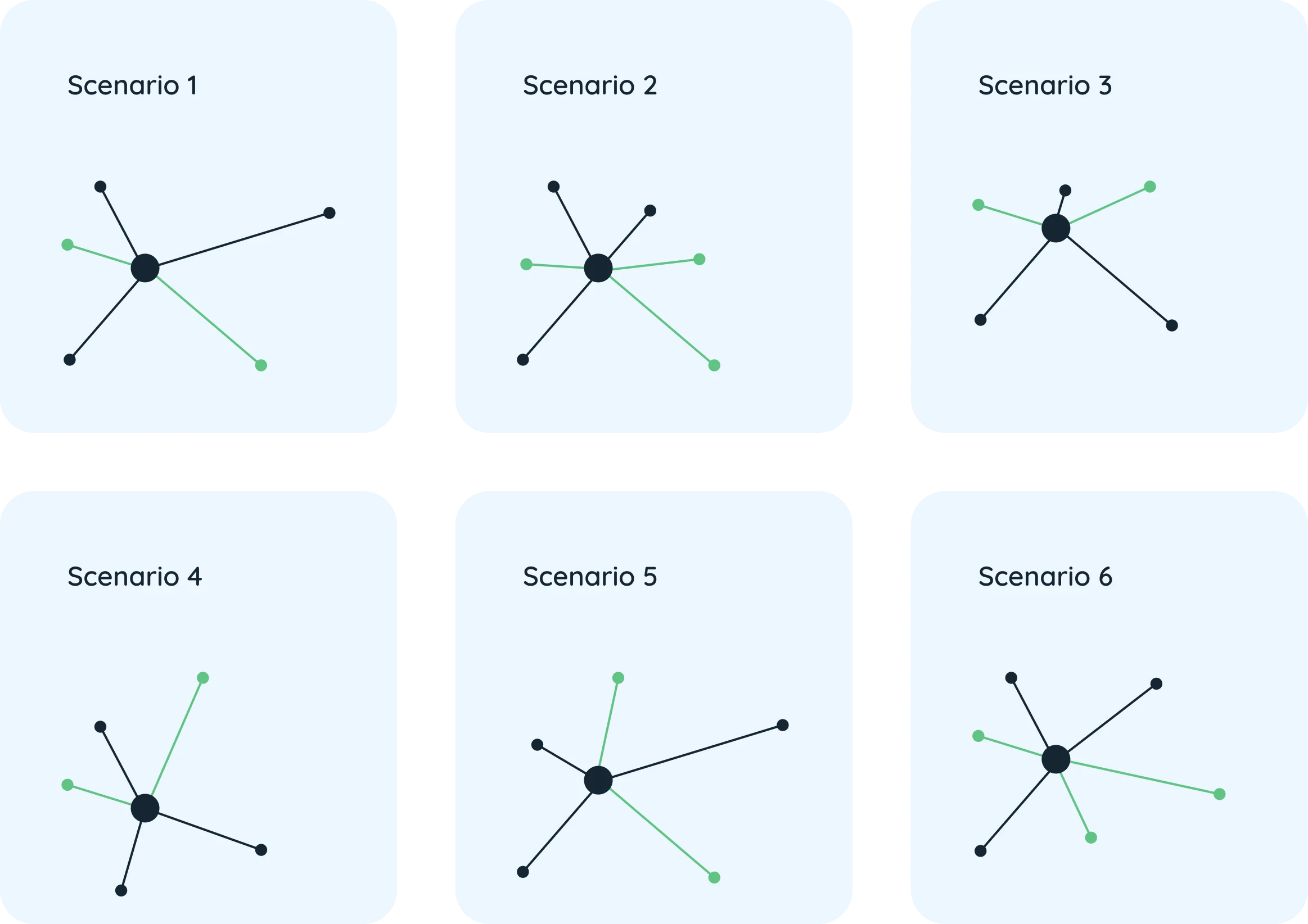
  • Simulate tariff scenarios to uncover the most exposed trade lanes
  • Compare alternative sourcing and routing options side by side
  • Align stakeholders around a plan before margins take the hit

Real World Impact

Proof From Networks Like Yours

Supply chain network redesigns, run on Sophus, with real numbers behind them.

Hisense Cut Logistics Costs 5% Across a Multi-Echelon Network

Hisense’s logistics costs were rising faster than sales. Overlapping DCs forced constant stock rebalancing across factories, CDCs, RDCs, and hubs. Sophus baselined the as-is network and tested configurations against transport cost, facility utilization, and service levels, and the redesign consolidated RDCs and cut logistics costs 5%.

LONGi Reduced Operational Costs 40% Across Its European Network

LONGi’s rapid European expansion outgrew manual route planning. Drivers ran uneven loads and shipments were hard to track. Sophus redesigned the distribution network across ports, regional DCs, and warehouse placement, then optimized order-to-route assignment, cutting operational costs 40% and lifting productivity 30%.

Common Questions

Supply Chain Network Design FAQs

Do we need a data science team to use Sophus?

No. Sophus is built for supply chain teams, not data scientists. Most of our customers are running their first formal network design project and get productive without hiring additional technical staff.

How is Sophus different from hiring a consultant?

Consultants deliver an answer and then leave, often taking the knowledge with them. Sophus builds the capability inside your own team, so you can keep answering new questions long after the first project ends.

How long does it take to see our first model?

;Most customers see a working baseline model within days of connecting their data, thanks to Rapid Baselining. A traditional manual build typically takes around 8 weeks.

Does Sophus replace our existing systems?

No. Sophus connects to your ERP and other systems through Dastro and works alongside them. You are not asked to rip out anything you already rely on.

What if we have never done formal network design before?

That describes most of our customers. Sophus is built specifically for teams building this capability for the first time, with guidance built into the platform rather than assumed prior expertise.
 

How does pricing work?

Sophus is priced as a predictable platform subscription, not hourly consulting fees or usage based solve pricing. Book a demo and we will walk through what fits your stage.
 

The Future of Supply Chain Design Starts Today

Your Supply Chain Will Keep Growing. Your Tools Should Keep Up.
Book a demo call and see what a real modeling capability looks like for a company at your stage.