
Supply Chain CapEx Planning Software
Prove the ROI before you spend the capital
Sophus uses mathematical optimization to prove the return before the capital moves, so every dollar of CapEx is backed by a number, not a guess.
Trusted by Growing Companies at Every Stage of Network Design Maturity









The decisions you only get to make once.
CapEx planning covers the investments you can’t take back: a new plant, added machinery, expanded warehouse capacity, a new production line. Get the site or the timing wrong, and the cost compounds on your balance sheet for years.
Sophus runs the numbers before you commit, so the investment case holds up in the boardroom on day one, and on the balance sheet in year five.
Why capacity decisions are so easy to get wrong
Supply chains are being restructured constantly, and capacity absorbs most of that pressure. Getting it right takes more than instinct.

The network won't hold still
Global supply chains are undergoing constant restructuring, and capacity gets hit hardest. Every future investment now needs a holistic view of the whole network, not just one site.

Supply and Demand Never Match
Supply and demand will always be out of balance somewhere in the network. The real question is how much imbalance you can absorb before it costs you.

Too much, too little; both are expensive
Too much capacity ties up capital in excess inventory and idle assets. Too little turns away demand.The right level is where your margin lives.
The Sophus Solution
The answer comes with its own proof
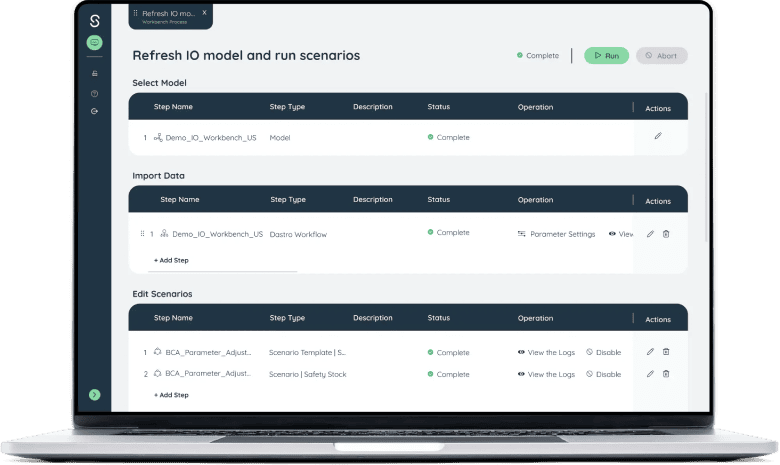
Sophus builds the model, applies your real constraints, and hands you a recommendation you can defend.
Where to invest
Recommendations for new capacity, with return on assets attached.
Where to build
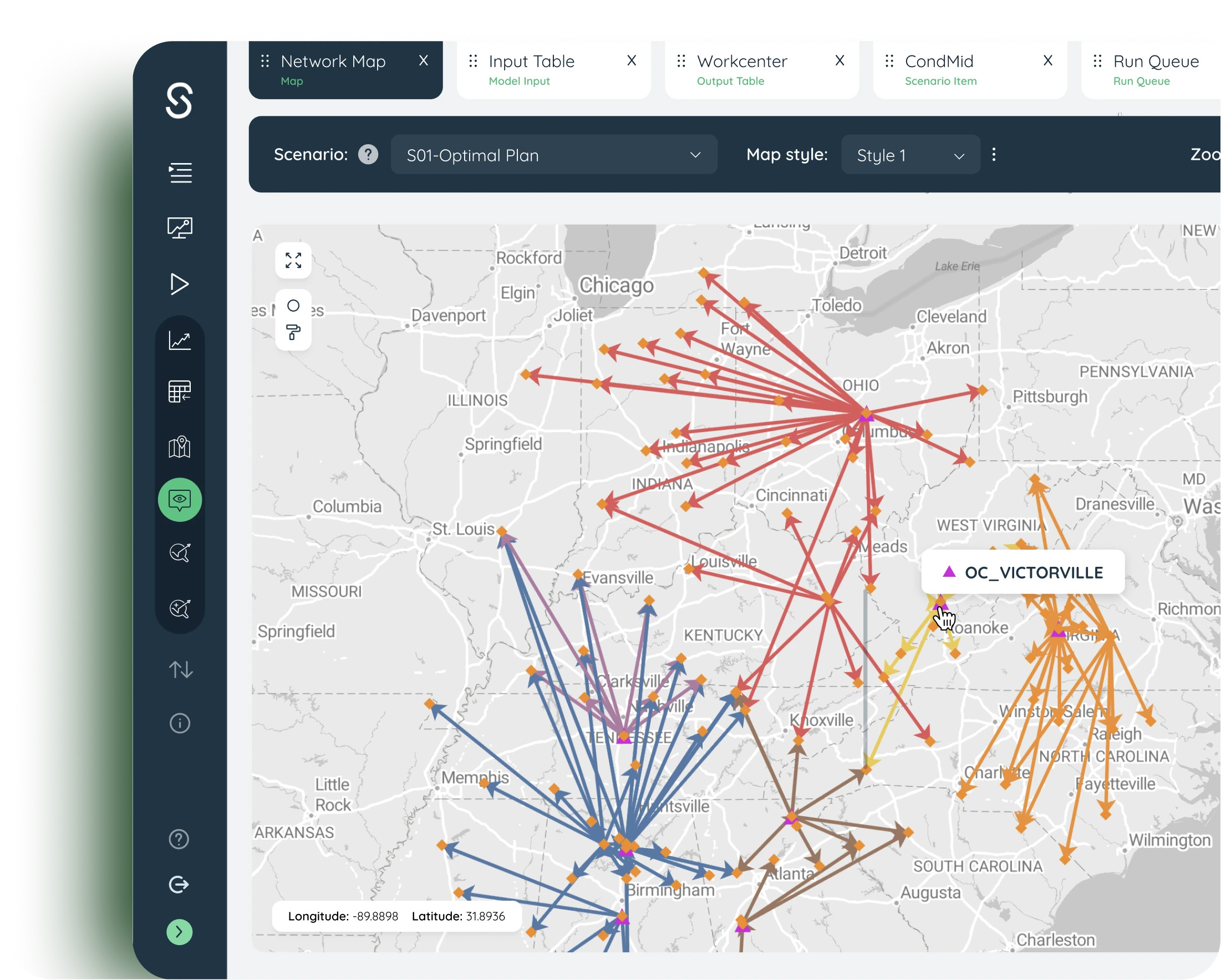
Site selection driven by total supply chain cost, logistics, supplier networks, and customer locations, not just land price.
Where the bottleneck breaks
Allocate constrained capacity across the network, whether the answer is new lines, extra shifts, outsourcing, or expanding what you already have.
How to handle the peaks
Seasonality strategies like pre-building in low season or partnering with OEMs at peak, each with its cost and risk impact quantified.
How to shape the footprint
Centralize for economies of scale or decentralize for flexibility.
What a Sophus-backed investment case looks like

MODEL
Start from reality
Every plant, production line, and distribution center represented as it actually operates today.

CONSTRAIN
Apply real constraints
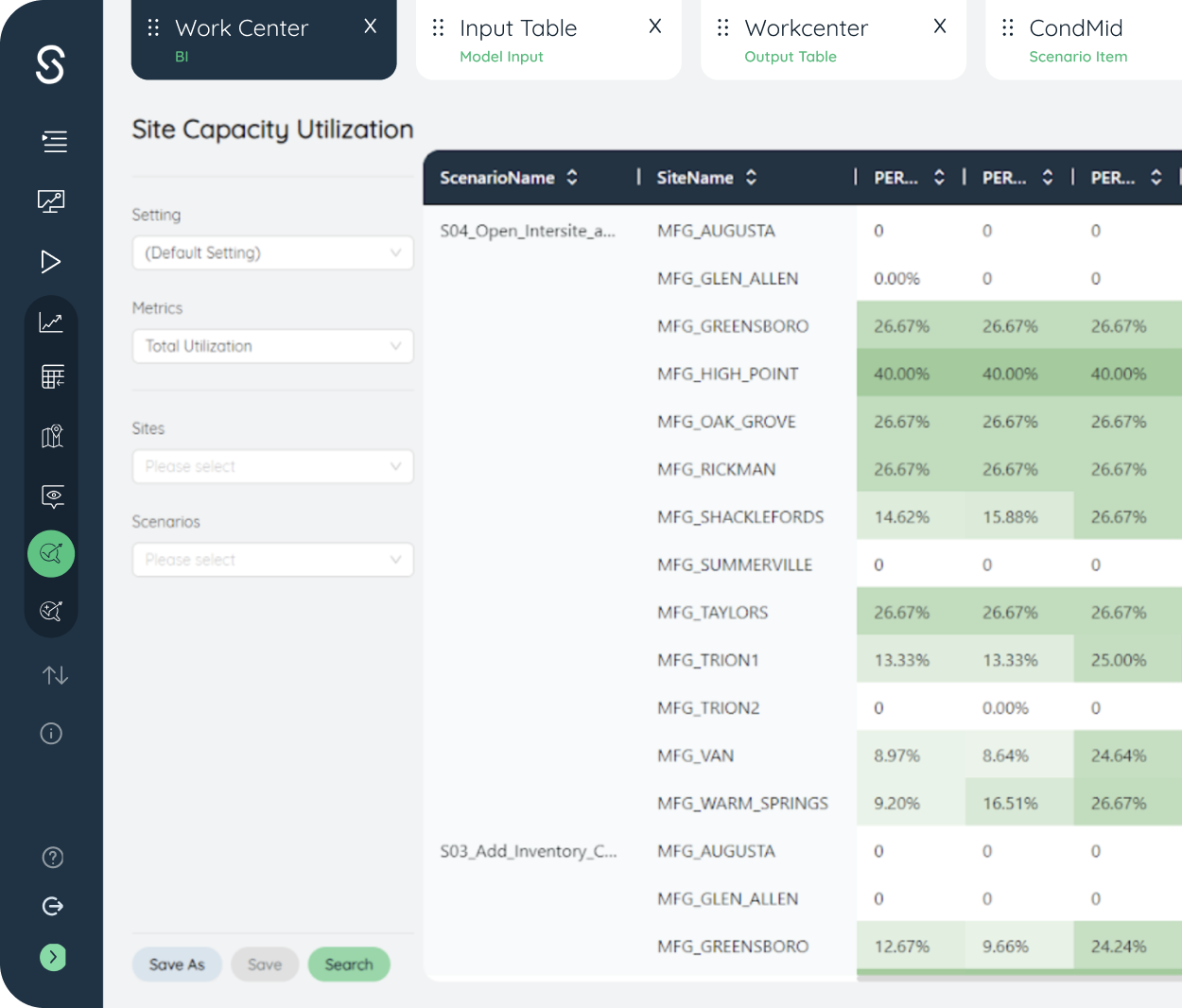
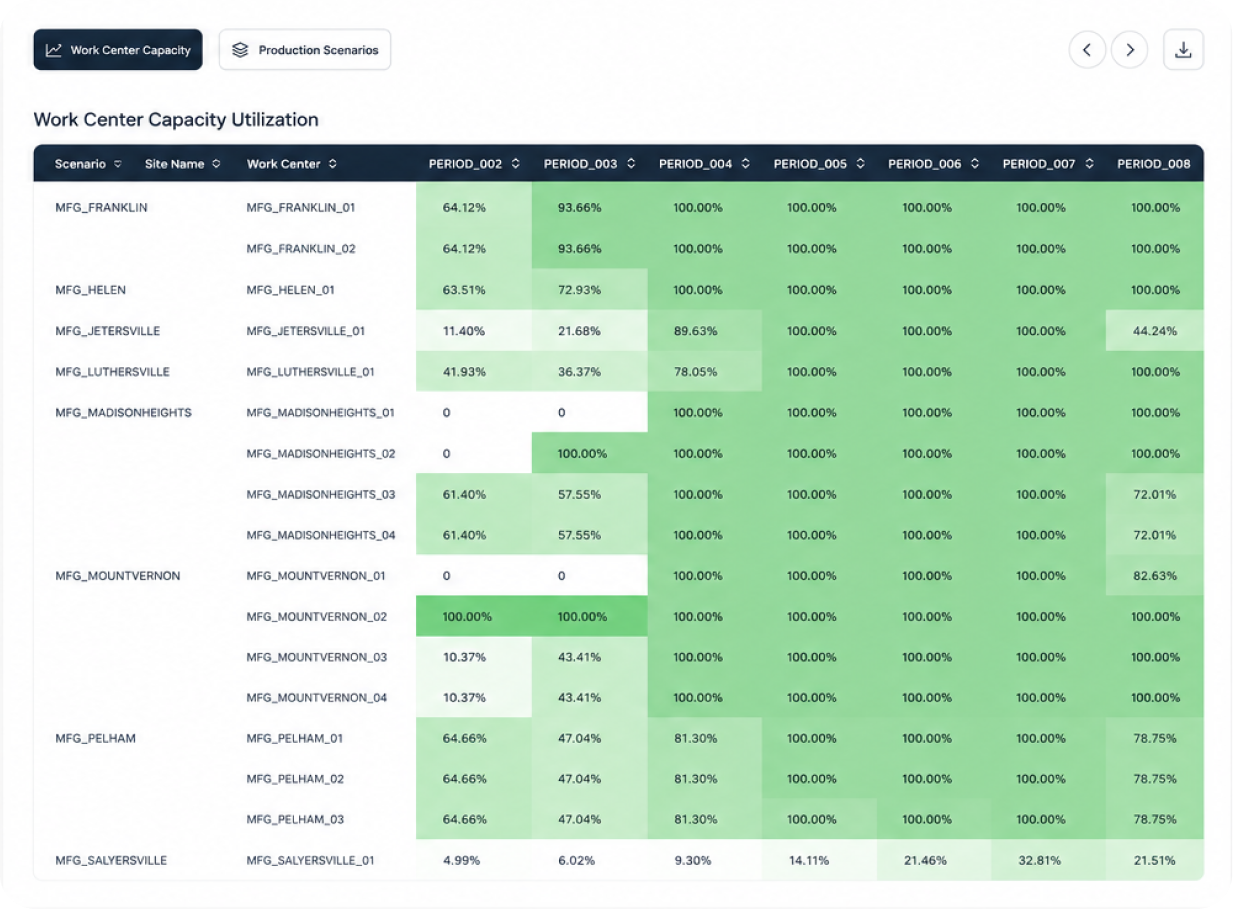
Production capacity, storage capacity, and fulfillment rules built into every scenario you test.

GENERATE
Get the numbers side by side
Operating cost and capital requirement for every option, laid out side by side.
What a Sophus-backed investment case looks like
20-25%
Return on Assets Improvement
10%
Overall Cost Reduction
35%
Inventory Reduction
Walk in with the CFO’s questions already answered.
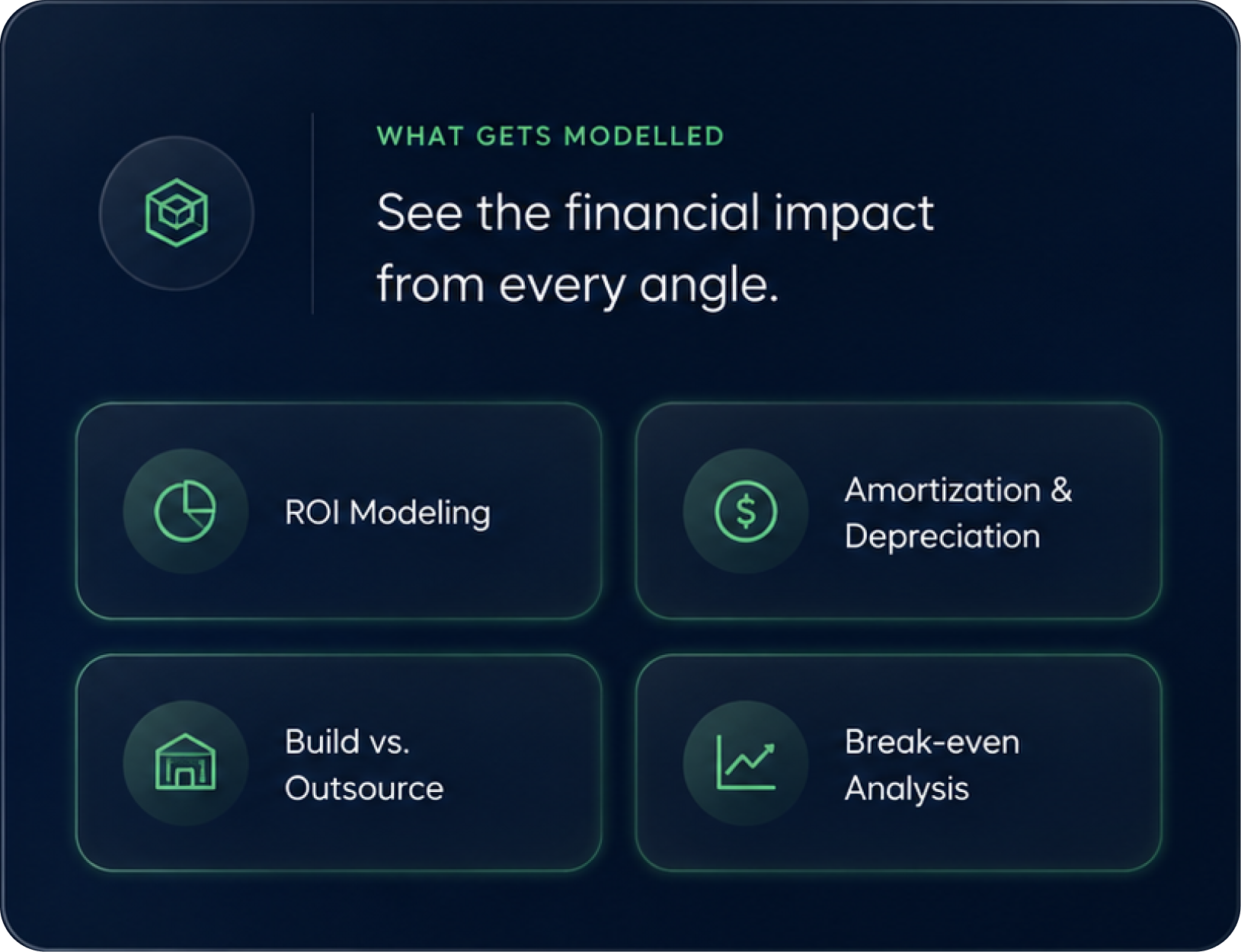
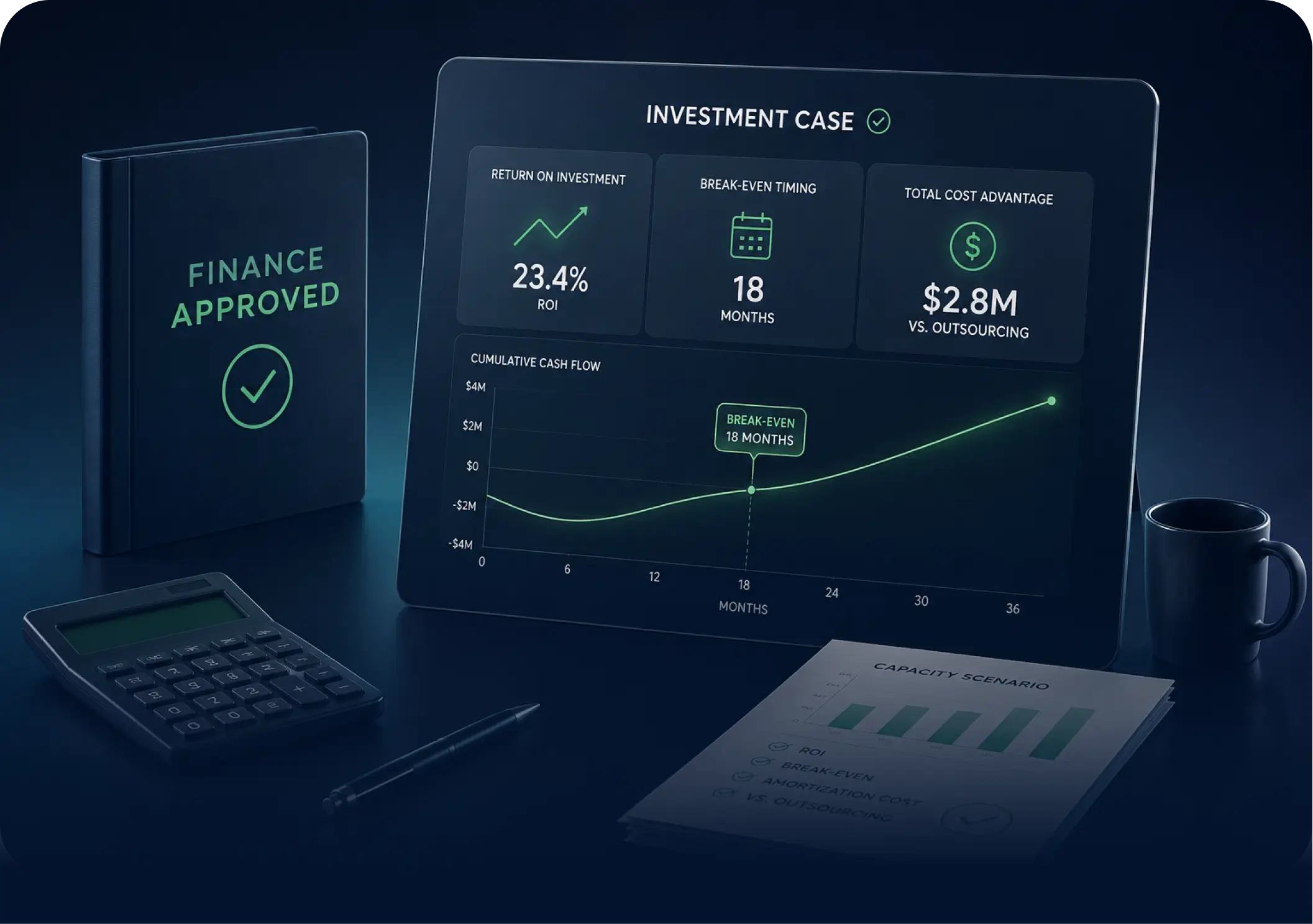
A capacity decision is a financial decision first. Sophus’ scenario runs feed straight into the numbers finance actually asks for: return on investment, break-even timing, and the cost of amortization and depreciation against outsourcing the same capacity instead.
You bring the investment case to the table already answered.
Financial clarity
Investment-ready decisions
Bring finance a case they can’t push back on.
Put the investment case to work
A justified CapEx decision doesn’t stand alone, since it plugs into the rest of your network planning.
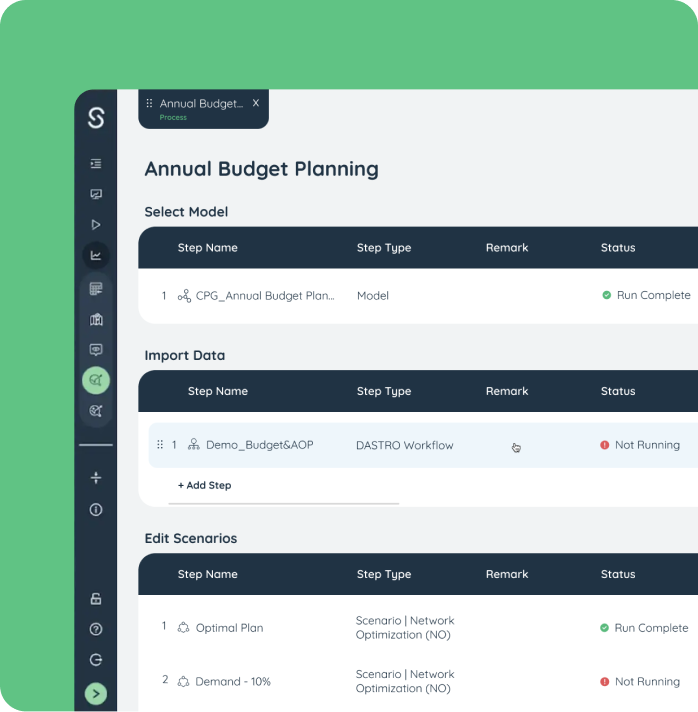
Annual Budget Planning
Roll your capital decisions into the annual plan finance actually signs off on.
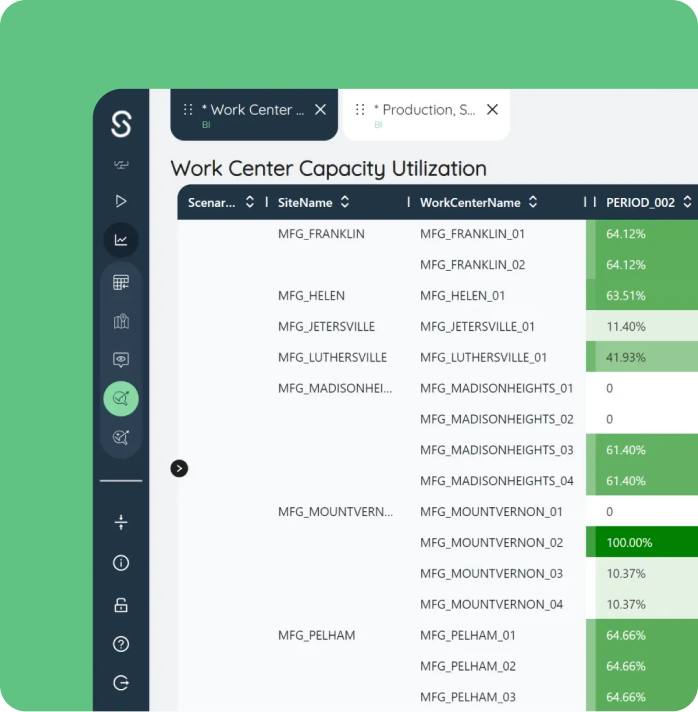
DC Capacity Planning
Size distribution center capacity against the same network model used for CapEx.
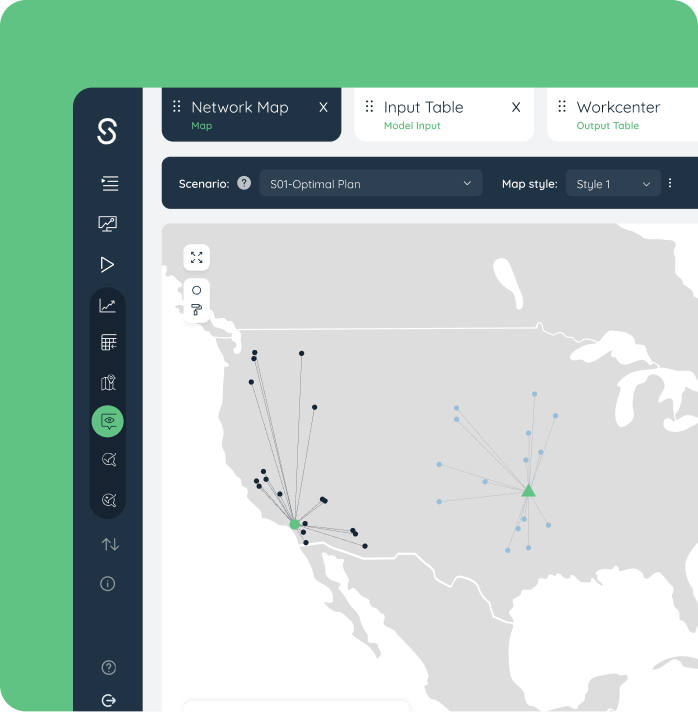
Supply Chain Network Design
Test a new site or plant against the full network before you commit capital to it.
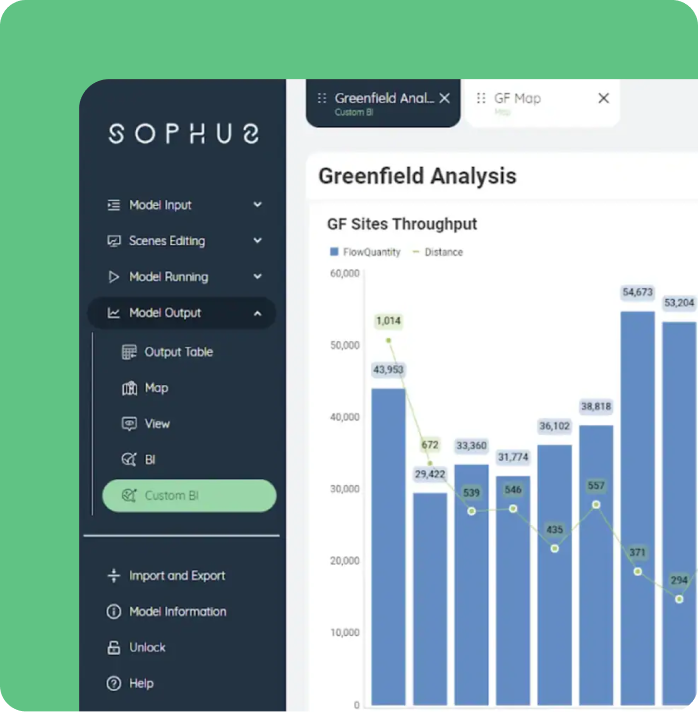
Greenfield and Brownfield Analysis
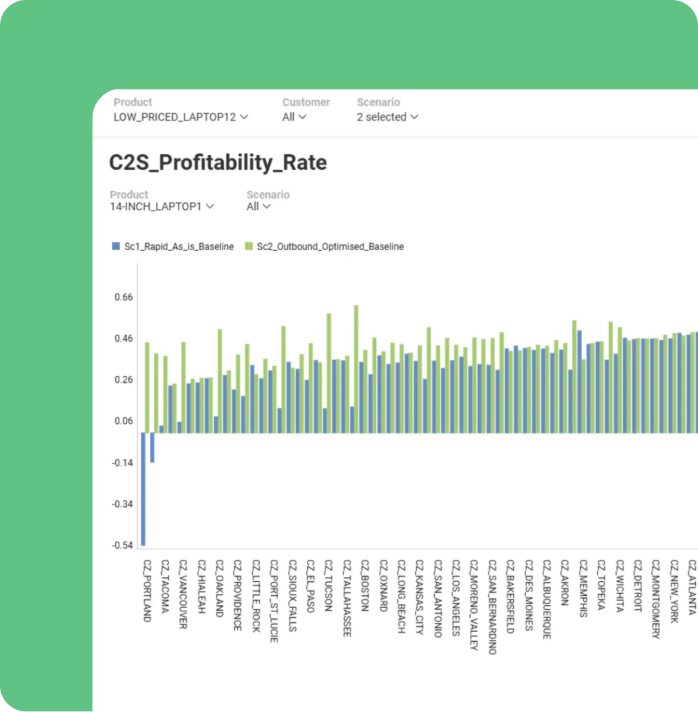
Cost to Serve
See the true end to end cost behind every option before it becomes a line item in your investment case.
Supply Network Planning
Turn the new capacity into an operating plan once the investment is approved.
What Verified Users Say on Gartner

4.8 ratings on Gartner Peer Insight
CapEx planning FAQs
Get Started
The next Capex decision you make should come with solid proof.
Stop justifying capital investment with instinct. Get the model that proves the return before the budget gets approved.