
Duties change. Your margin shouldn’t.

Trusted by Growing Companies at Every Stage of Network Design Maturity









The Problem
Why duties became a supply chain problem

The fastest-growing cost you don't control
Taxes and duties have become a major cost driver in global supply chains, especially in intricate tax regimes like Brazil and India. Add trade wars and geopolitical shifts, and the one certainty is that today’s tariff table won’t be tomorrow’s.

Owned by finance. Caused by supply chain.
Taxes and duties are often managed in isolation by finance teams, creating misalignment with supply chain decisions. That leads to suboptimal trade-offs between operational costs, like logistics and inventory, and tax or duty burdens that nobody actually optimized.
The Sophus Solution
Duty becomes just another number in the model.

Taxes and Duties inside the optimization, not beside it
What-If: Dynamic Scenario Planning
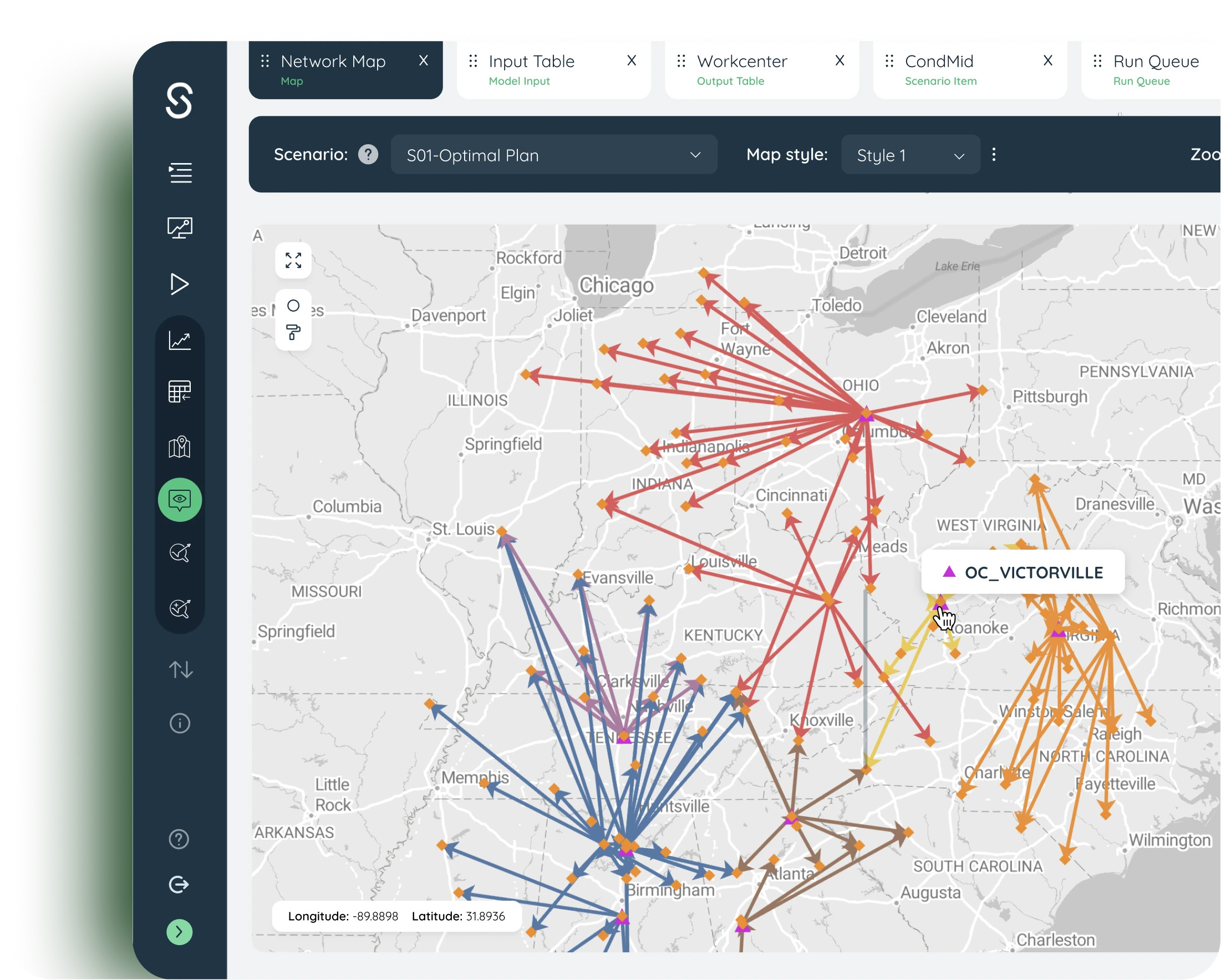
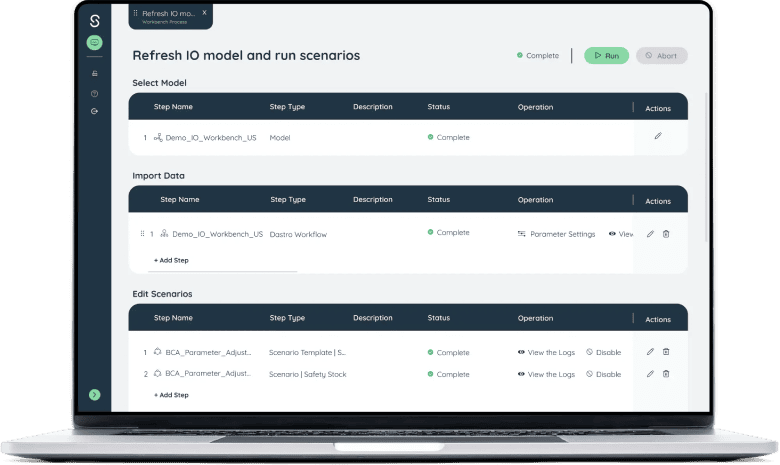
Rapidly simulate what-if scenarios to assess the impact of tax and duty changes, like tariff hikes or regulatory shifts, and identify resilient supply chain strategies to hedge the risk before the change takes effect.

Before the next tariff hike
See the cost before it lands on your P&L

See the cost breakdown before you decide
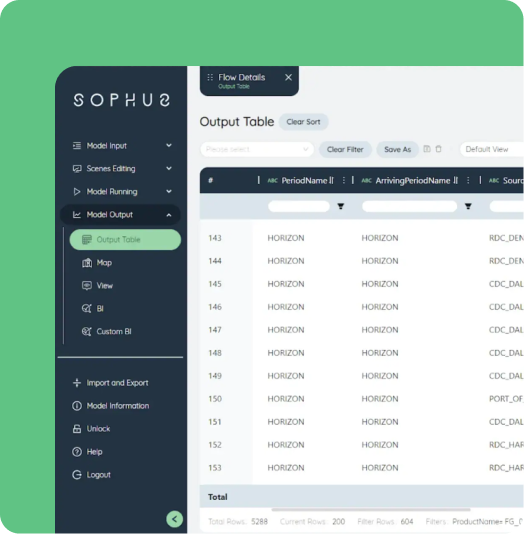
Every scenario breaks down into the cost components that actually drive it, tax and duty included, instead of one unexplained total.
Stop guessing at duty cost
Turn every tariff into a modeled outcome.
The value of an optimized tax and duty network.
Tax / duty burden
Optimize network design, sourcing, and routing to reduce exposure to high-tax jurisdictions or inefficient duty structures.
-10 to -20%
Margins
Balance tax and duty cost with operational expense to unlock hidden savings and improve profitability.
Improved
Risk exposure
Anticipate and adapt to tax and duty volatility, staying compliant while keeping the network agile.
Proactive
10-20% back on the bottom line
That kind of margin starts with one model
Put Taxes and duty modeling to work
Sourcing Optimization
Choose suppliers on total landed cost, duty included, not just unit price.
Cost to Serve
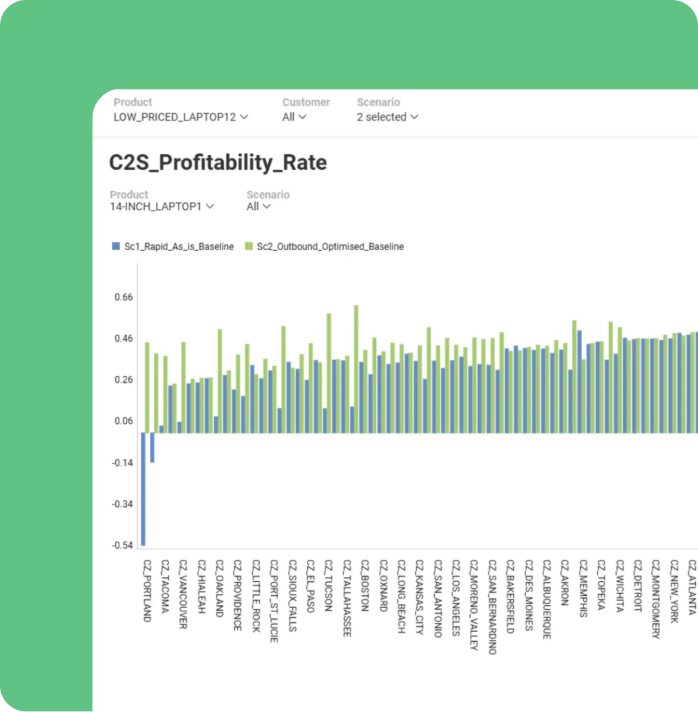
See the true end to end cost of every lane and customer once duty is priced in.
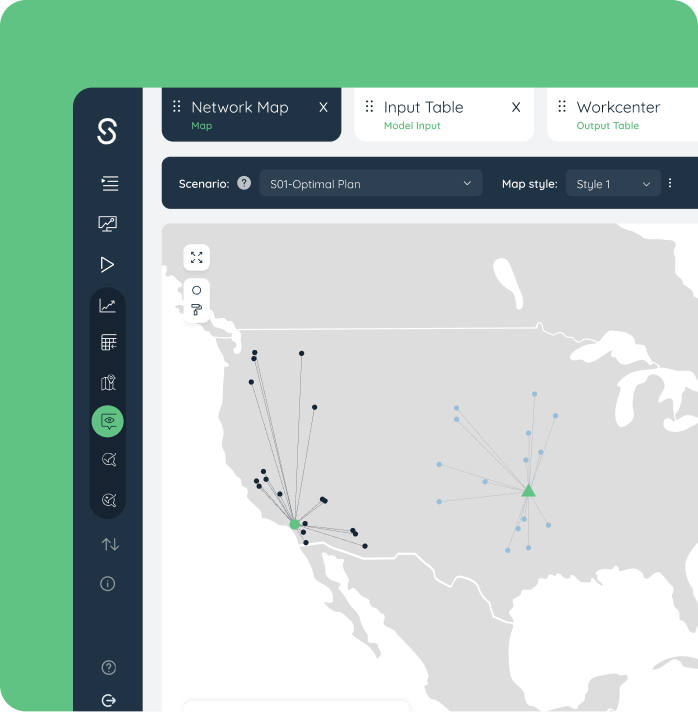
Supply Chain Network Design
Design a network that accounts for duty exposure from the first draft.
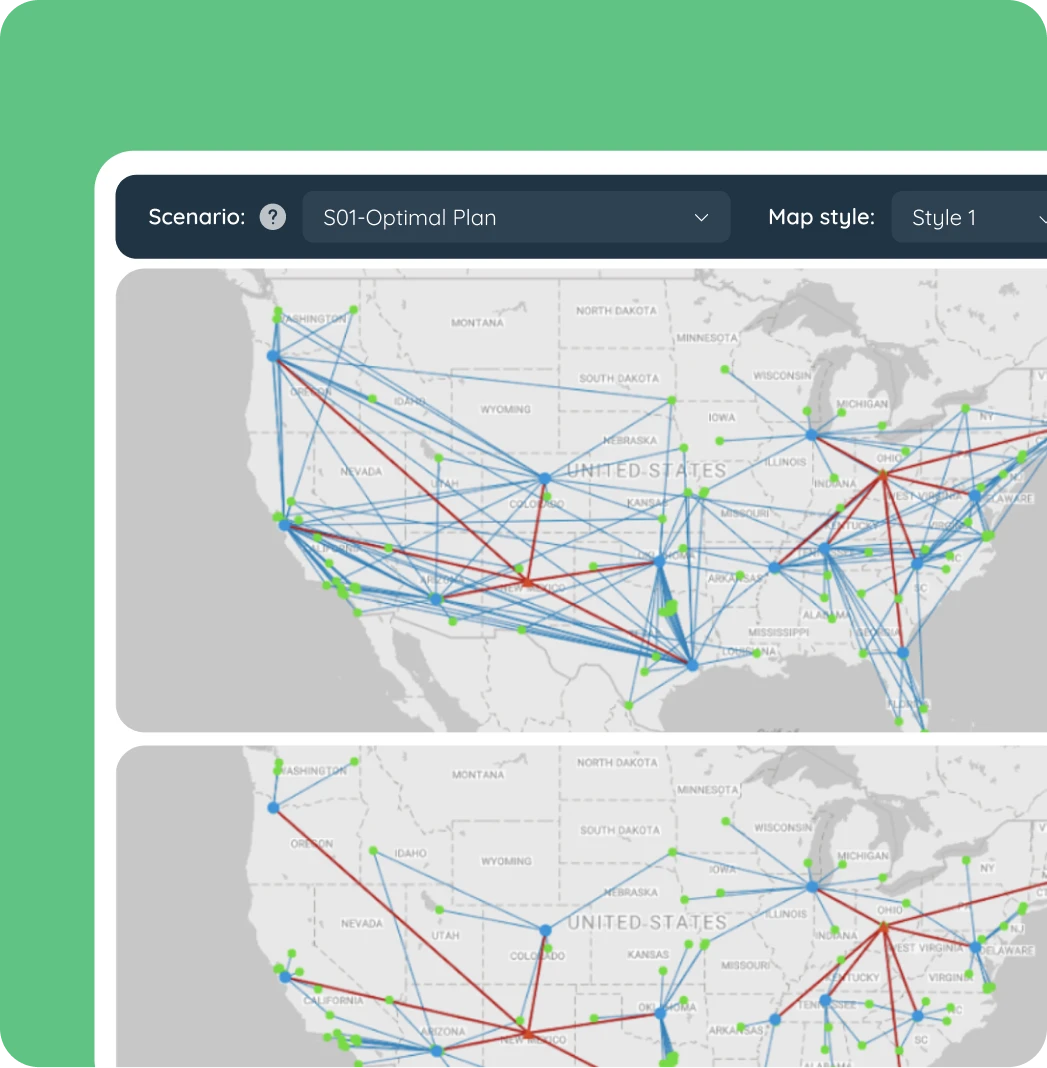
Supply Chain Risk & Resilience
Stress-test the network against a tariff shock before it happens.
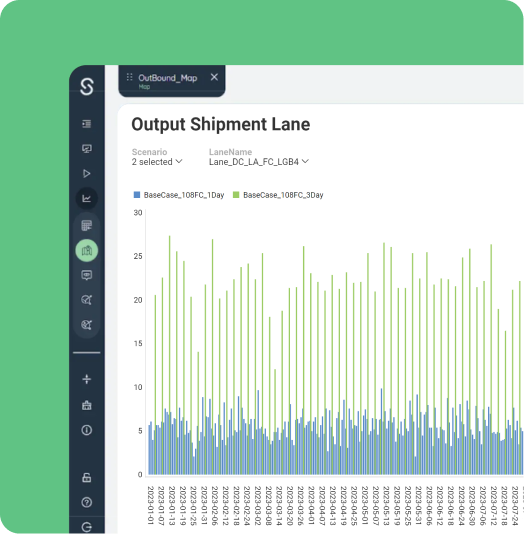
Freight Consolidation
Cut duty and freight cost together instead of optimizing them apart.
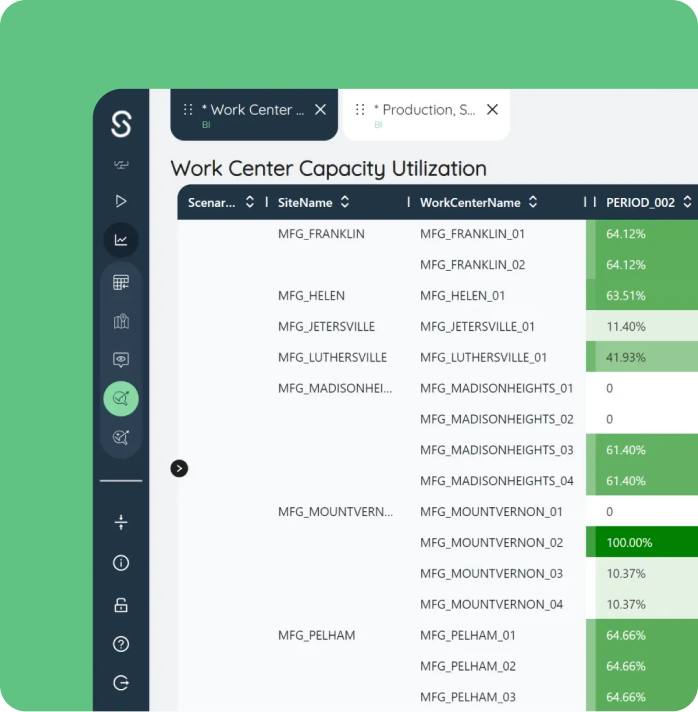
CapEx Planning
Factor future duty exposure into where you put new capacity.
What Verified Users Say on Gartner

4.8 ratings on Gartner Peer Insight
FAQs
Ready to put a number on your duty exposure?
Stop discovering tariff impact after it hits the P&L. Get a model that prices duty into every sourcing and network decision.