
Reorder Before The Shelf Ever Goes Empty.
Trusted by Growing Companies at Every Stage of Network Design Maturity







The plan behind every reorder
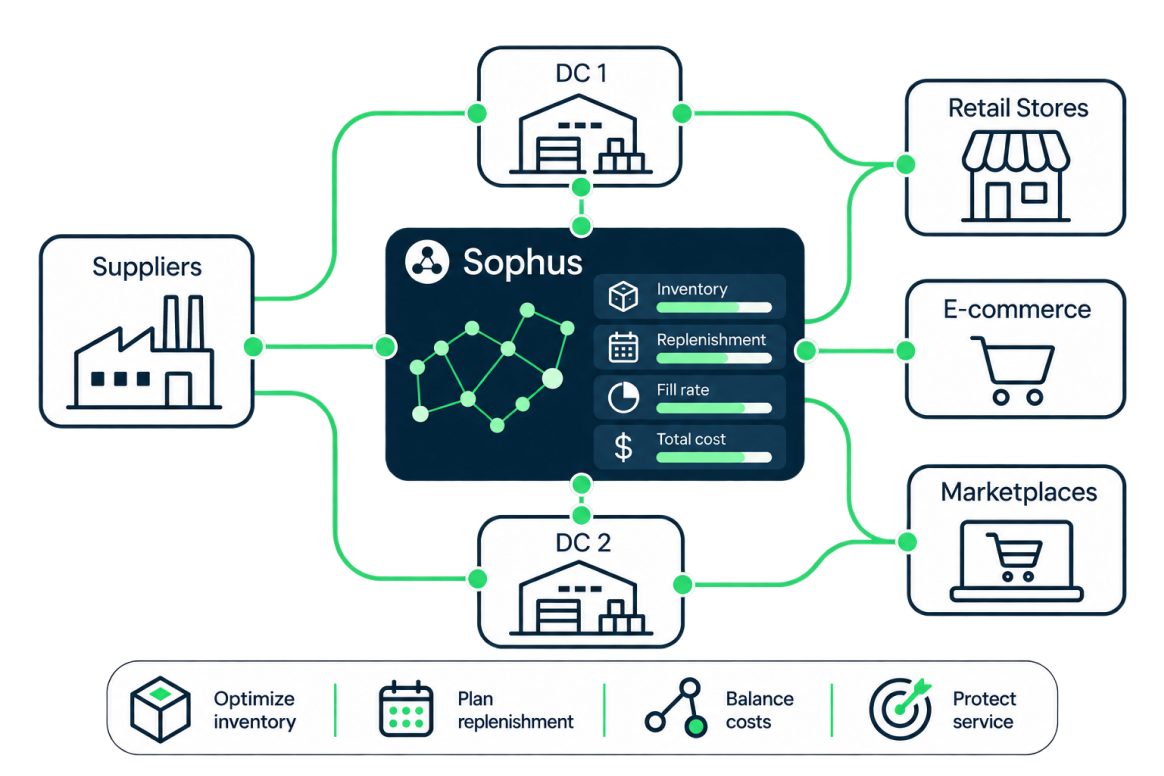
Planning the right inventory level and replenishment frequency gets hard fast once a company runs a multi-echelon network and serves customers across multiple channels.
Replenishment means restocking inventory and moving goods so the right products are available at the right place and time. But what if it actually did that, optimized across every DC and channel at once?
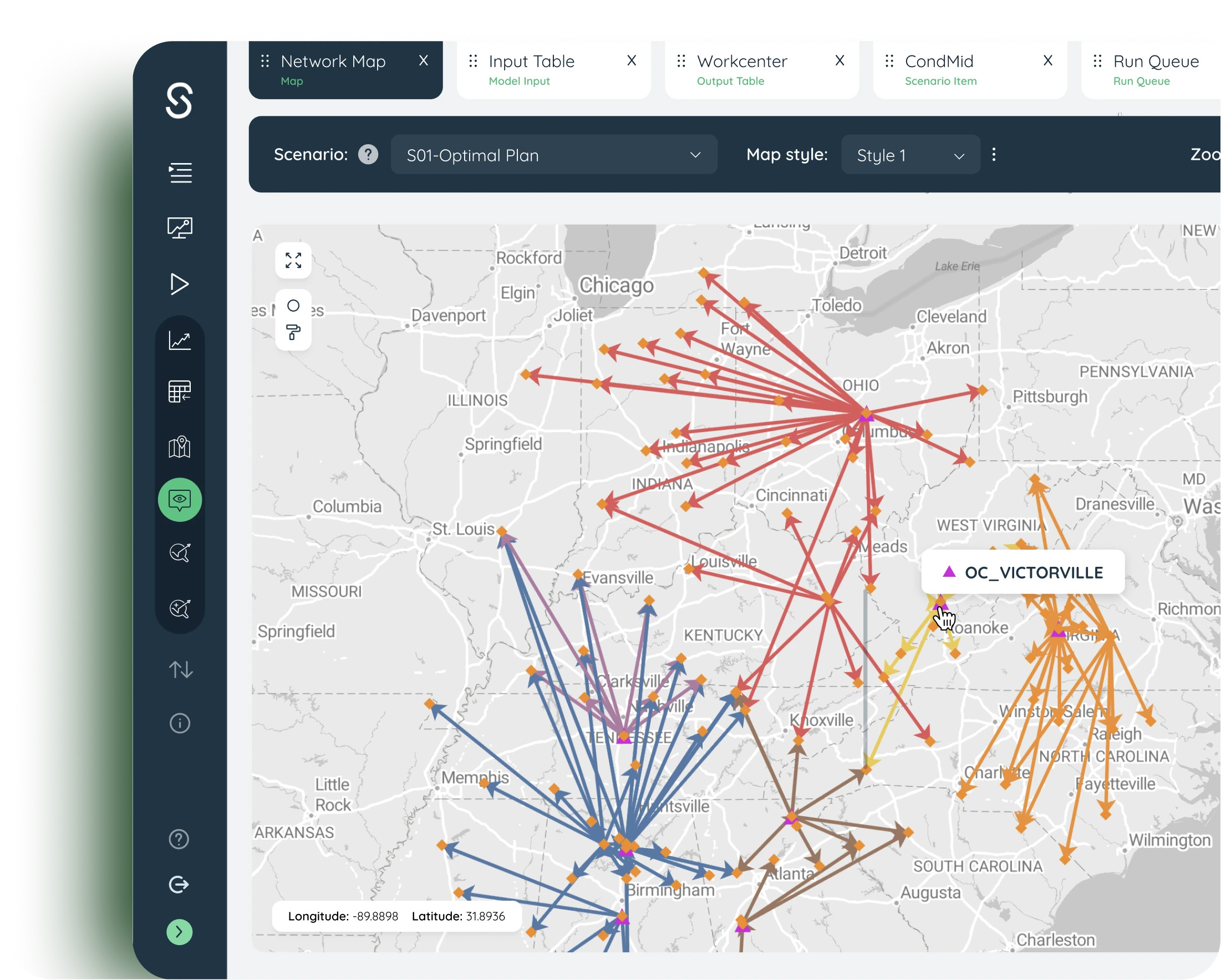
That’s what Sophus Replenishment Optimization does. It optimizes inventory level and replenishment frequency between DCs and sites, trading them off against sourcing and transportation cost to land on a plan that protects margin and fill rate together.
See where your stock runs out first.
The Problem
Why replenishment gets complicated fast

One network, a thousand moving parts

Stock decisions don't happen in a vacuum
The Sophus Solution
Stock levels and cost, optimized together
Across Every DC
Sophus optimizes the inventory level and replenishment frequency between DCs and sites, instead of planning each location on its own.
Against Real Cost
It trades off inventory level and replenishment frequency against cost elements like sourcing cost and transportation cost, to land on the optimal replenishment and stock transfer plan.
How It Actually Works
Two Tools. One Signal.
Keeps the signal current
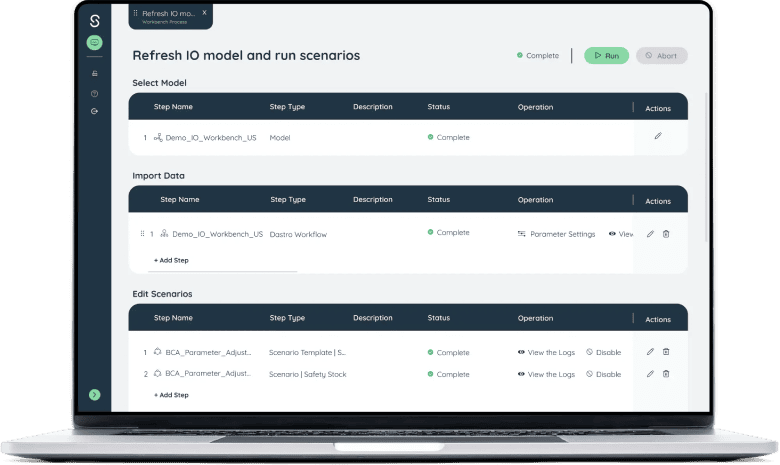
Inventory position, sales history, lead times, and cost data get pulled and cleaned from your systems automatically, so the model never runs on a stale count.
Turns the signal into a plan
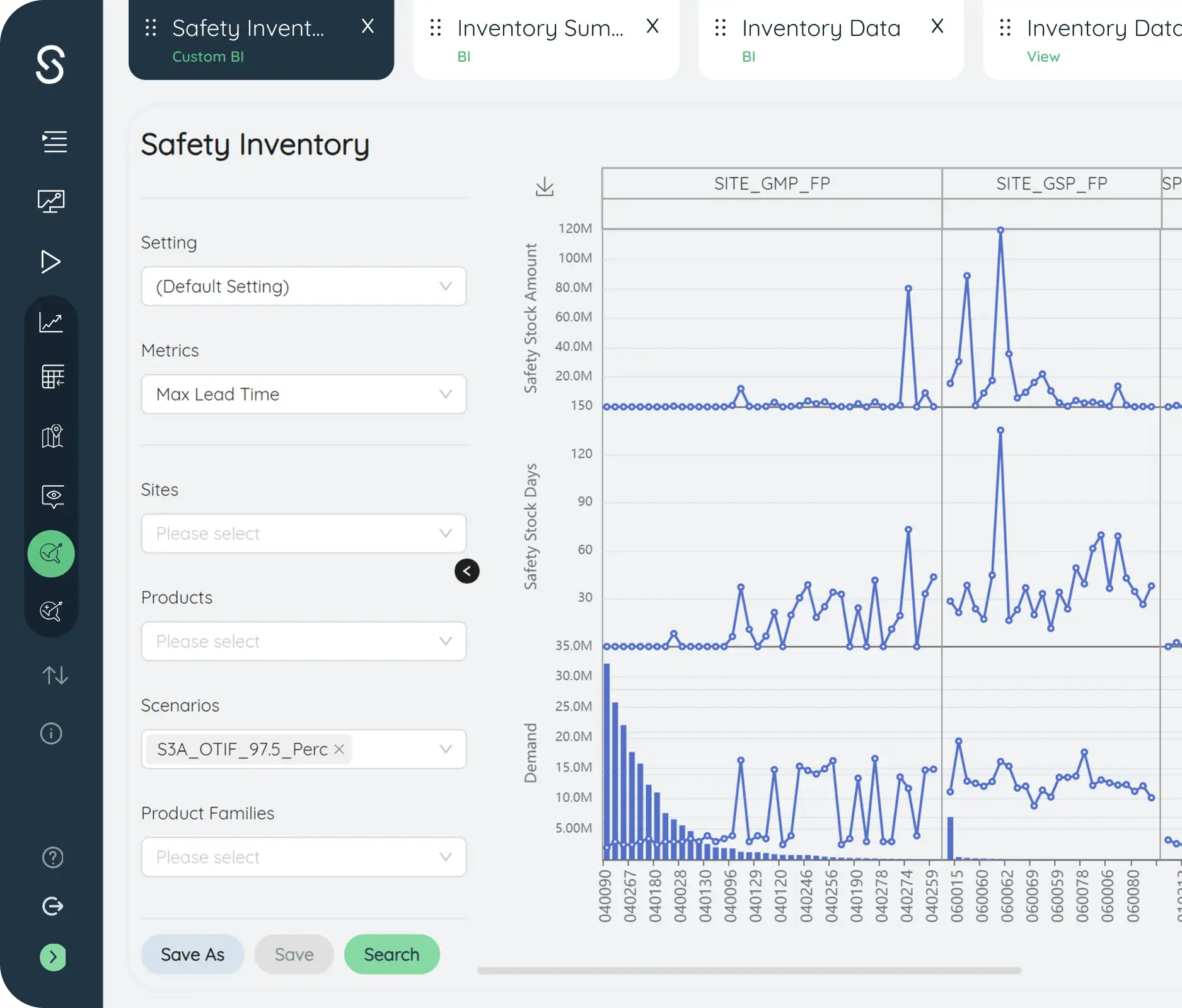
Sophus X sets the inventory level and replenishment frequency at every DC and site, weighed against sourcing and transportation cost together.
Put the plan to work
Cost to Serve
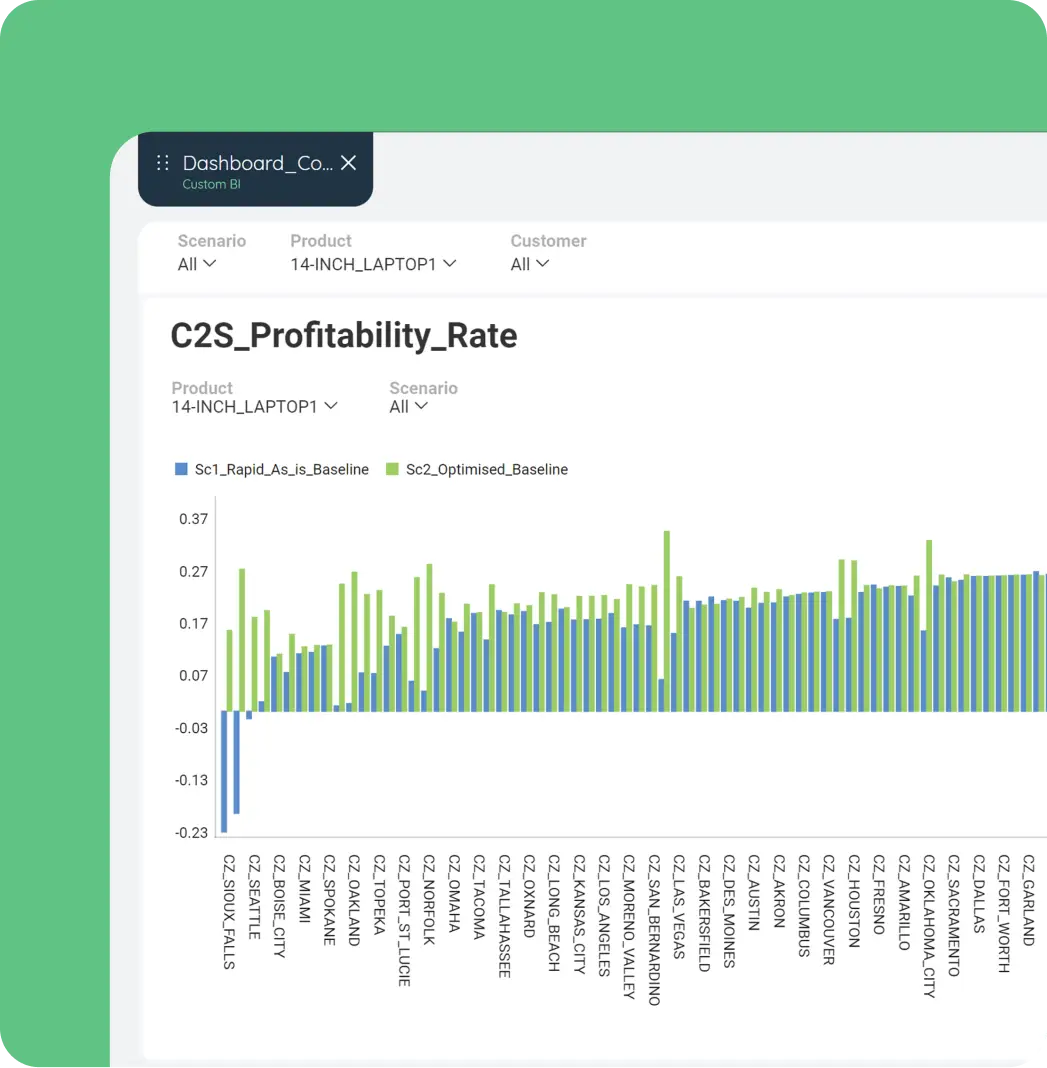
See the true cost behind every replenishment and stock transfer decision.
Demand Forecasting
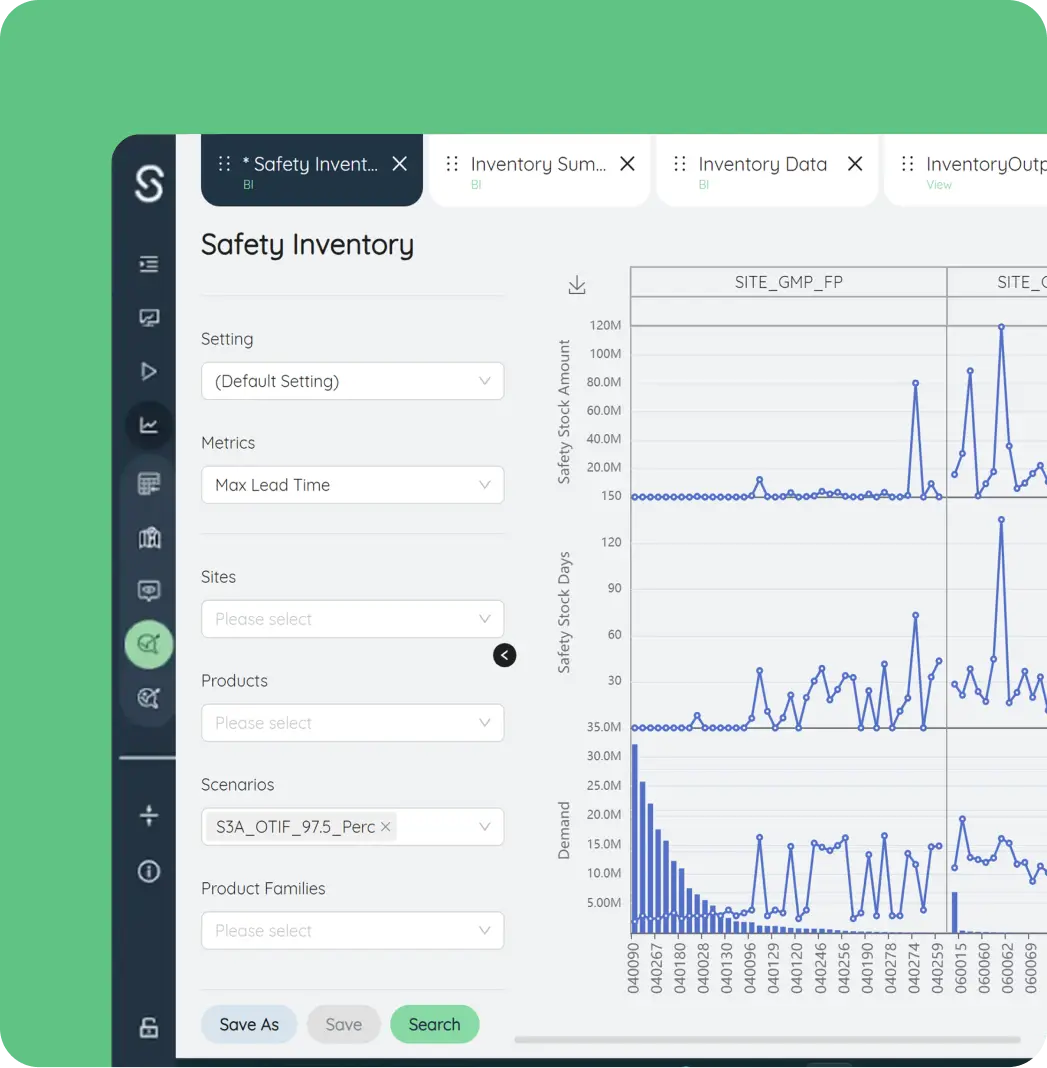
Feed replenishment with a demand signal it can actually trust.
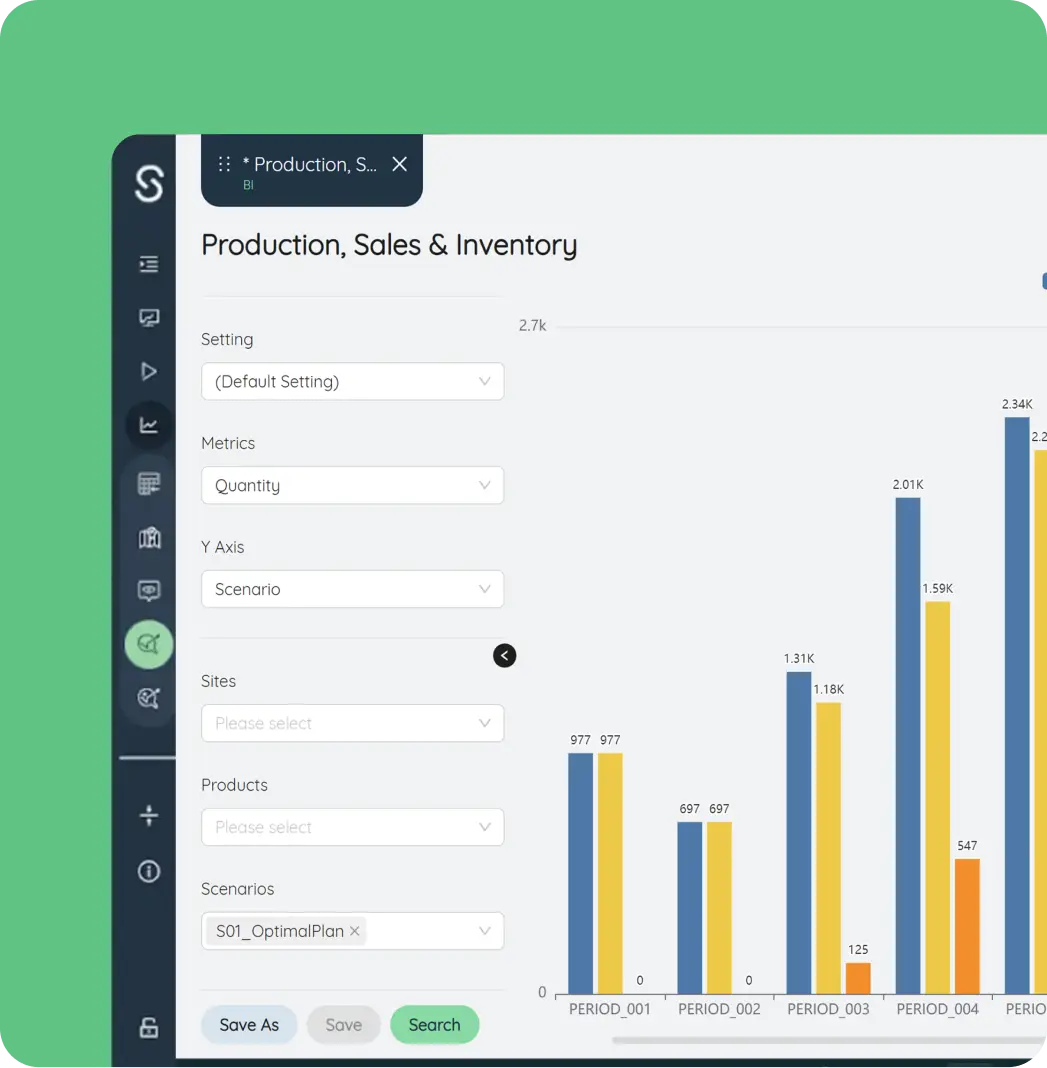
Shelf-Life Optimization
Factor product freshness and expiry directly into the replenishment plan.
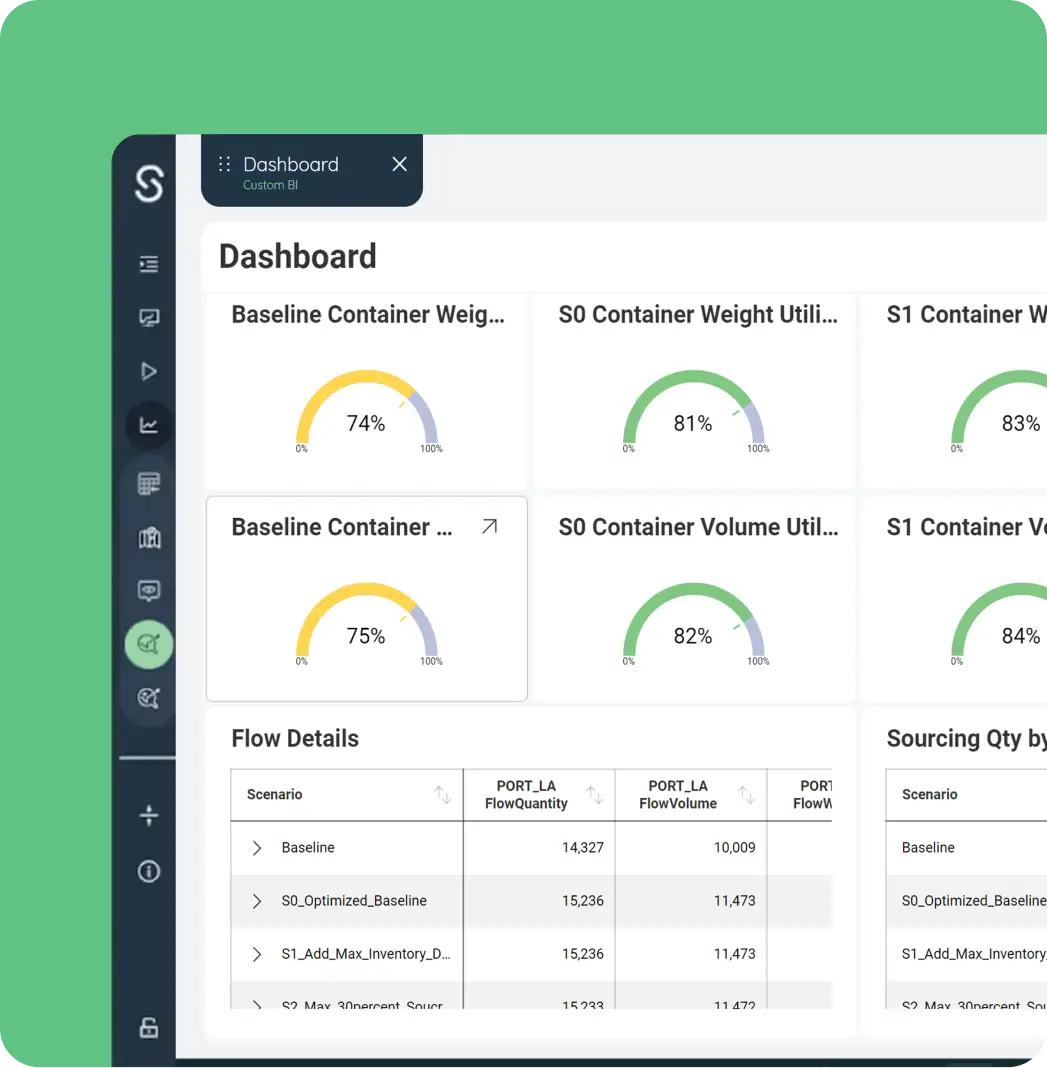
Sourcing Optimization
Decide where to source from as part of the same cost trade-off.
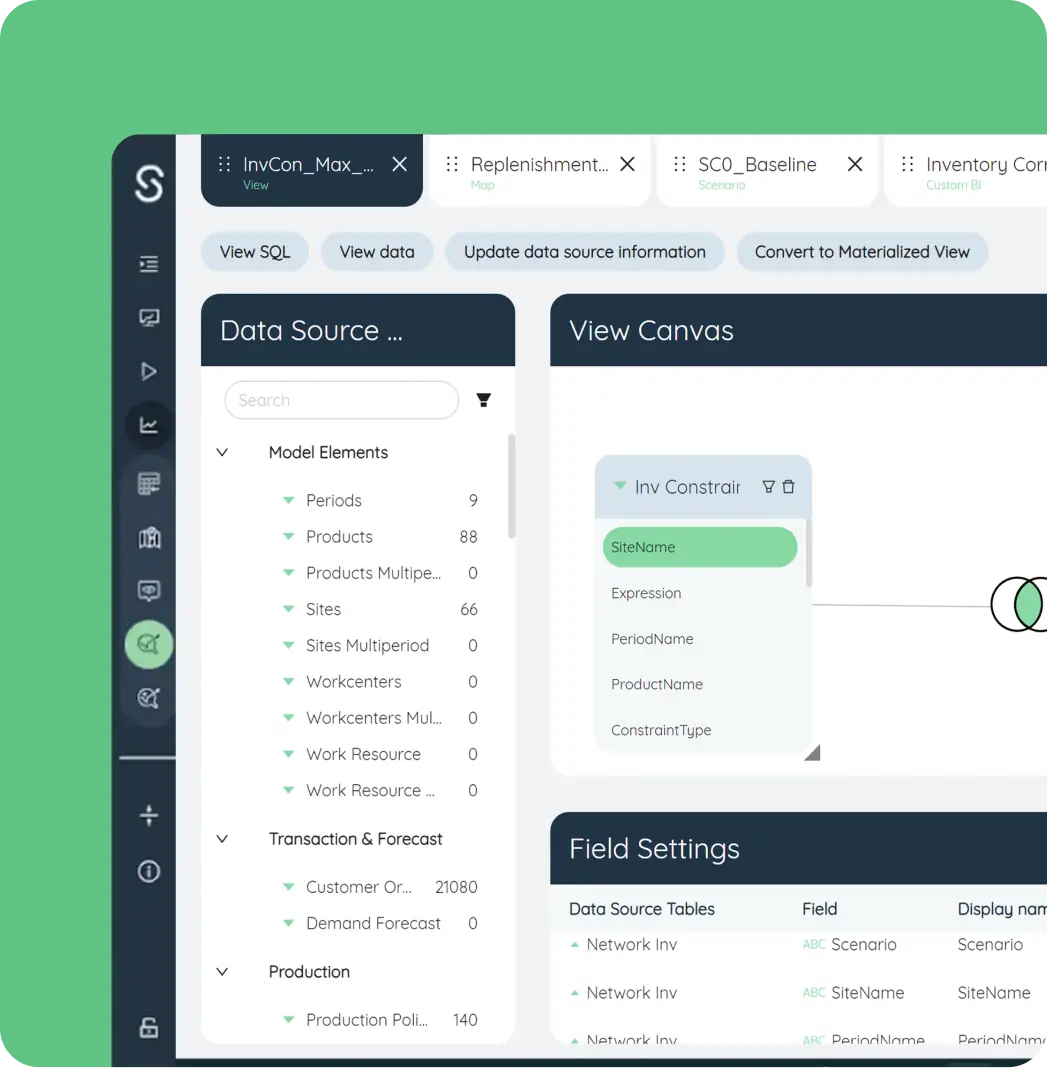
Supply Chain Network Digital Twin
See replenishment flows reflected in a live model of your network.
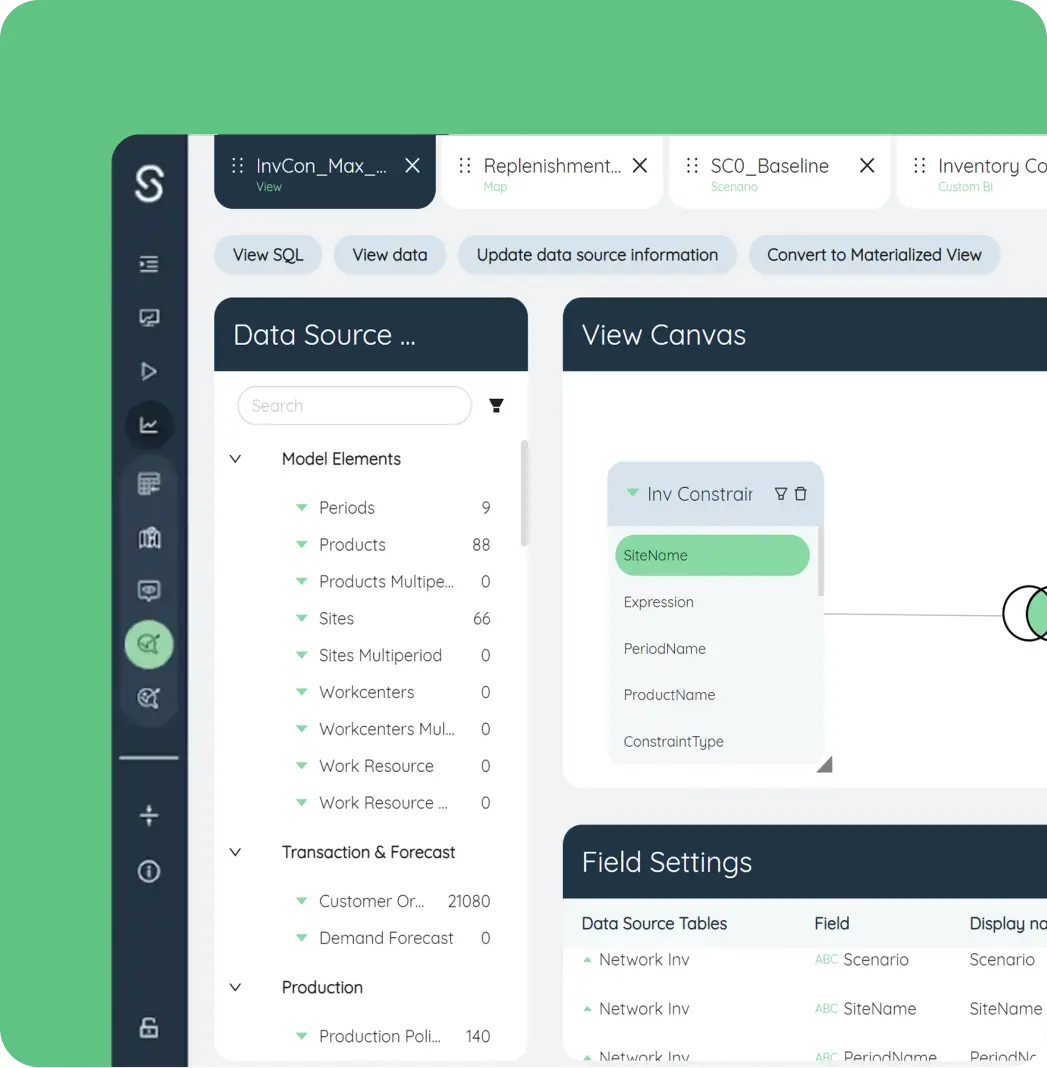
Greenfield & Brownfield Analysis
Decide where a new DC would actually improve your replenishment network.
FAQs
Ready To Reorder On Purpose, Not On Guesswork?
Stop choosing between too much stock and too many stockouts. Get one replenishment plan that balances both against real cost.