Russia’s once-massive stockpiles of weapons and materiel have dramatically shrunk. And surprisingly, the root problem isn’t just bullets and bombs; it’s inventory.
According to logistics data analyzed by the Kyiv School of Economics, annual deliveries from Russia’s military storage fell from about 242,000 tonnes in 2022 to a projected 119,000 tonnes in 2025.
This decline shows a steady loss of battlefield reserves. Moreover, ongoing fighting and Western sanctions made the situation worse.
This article explores how logistics failures and depleted inventories undermined Russia’s war effort long before front-line defeats. Read on to understand why supply, not strategy, changed the tide.
Failures Behind Russia’s Military Collapse
Logistical and inventory mismanagement played a key role in weakening Russia’s military operations. Here’s how:
1. Pre-War Planning That Ignored Inventory Reality
Before the invasion of Ukraine, Russia conducted large military exercises such as Zapad-2021 that appeared to include detailed logistics planning. These drills covered supply, maintenance, medical support, and troop movement. On paper, Russia’s Annual Operation Plans suggested readiness for large-scale operations.
However, these exercises were not true rehearsals for a prolonged conflict. Inventory levels were calculated for short operations, not sustained warfare. Logistics planning remained isolated from real battlefield demands, creating a dangerous gap between preparation and execution.
Overconfidence in a Short Campaign
Russian planners assumed a rapid victory, which shaped inventory decisions across fuel, ammunition, food, and spare parts. This overconfidence undermined inventory optimization, which left only a little buffer stock or redundancy once operations slowed or stalled.
2. Equipment Readiness and Pre-Existing Inventory Weaknesses
Even before hostilities began, Russian military equipment suffered from poor maintenance, where inventory existed but was not operationally usable.
When the invasion began, mechanical failures quickly limited available combat assets. Vehicles broke down during advances, and replacement parts were scarce due to weak logistical planning.
Something similar once happened in the commercial sector, where Sophus stepped in to save the day. What happened was that a leading pharmaceutical company struggled with fluctuating demand, inventory shortages, and overstocking.
By partnering with Sophus AI, it applied advanced forecasting and end-to-end inventory optimization, achieving a 6% cost saving and freeing up working capital.
Limited Visibility and Poor Communication
A lack of real-time inventory tracking and inefficient communication channels meant commanders often did not know what supplies were available or where shortages were emerging. This delayed responses and magnified losses during early operations.
3. Transport Dependency and the Collapse of Supply Lines
Russian forces relied heavily on long and vulnerable supply lines, which often broke down and slowed operations.
Rail-Centric Logistics as a Strategic Constraint
Russia’s logistics system relies heavily on railways to move bulk supplies to forward areas. From these railheads, trucks were expected to handle last-mile delivery. This system functioned only while rail connections remained secure.
Ukrainian attacks on rail infrastructure exposed the fragility of this model. Once rail access was disrupted, Russia lacked the flexible transport optimization needed to sustain operations far from rail hubs.
Limited Trucking Capacity and Delayed Resupply
According to CNA analysis, Russian forces struggled to support units operating more than 100 kilometers from railheads. Fuel and ammunition deliveries slowed, forcing units to pause or retreat. Supplies existed in warehouses but could not reach the battlefield in time.
4. Antonov Airfield and the Failure of Supply Chain Strategy
The seizure of Antonov Airfield near Kyiv was intended to enable rapid air resupply and serve as a logistics hub for advancing forces. This was a core element of Russia’s Supply Chain Strategy for the opening phase of the war.
Consequences of Operational Failure
When Russian forces failed to secure the airfield, units advancing toward Kyiv were left without sufficient supplies. Soldiers reportedly had provisions for only five days. With no alternative logistics plan in place, shortages of food, fuel, and ammunition became severe.
This failure highlighted the absence of contingency planning and weak supply chain resilience. Inventory systems lacked flexibility, making them vulnerable to a single operational setback.
5. Command Structure and Inventory Decision Bottlenecks
Russia’s hierarchical command structure limited the ability of field commanders to make logistics decisions independently. Requests for resupply or route changes had to move up the chain of command, delaying action during critical moments.
The Kyiv Convoy as a Logistics Case Study
The stalled convoy north of Kyiv showed how strict central control and weak communication made supply problems worse.
Instead of adjusting on their own, units waited for orders, which caused fuel shortages, abandoned equipment, and made them easy targets for attacks.
6. Depletion of Soviet-Era Stockpiles
Russia entered the war with extensive Soviet-era stockpiles, but sustained combat quickly depleted these reserves. As we mentioned earlier in the introduction, Russian military storage was projected to decline to 119,000 tons by 2025.
This sharp reduction indicated a structural failure in long-term inventory optimization and replenishment planning.
Reliance on Obsolete Equipment
To offset shortages, Russia reactivated older systems, including T-72 and T-80 tanks from the 1970s and even T-54 tanks first produced in the late 1940s. These systems were not suited for modern warfare and suffered higher loss rates.
7. External Dependence and Fragile Supply Chain Resilience
As domestic inventories declined, Russia turned increasingly to external suppliers. Open-source intelligence indicates that a significant share of ammunition now comes from North Korea, while China supplies critical components and materials.
Strategic Risks of External Supply Chains
This dependence weakened Russia’s supply chain resilience by increasing lead times and exposure to sanctions and diplomatic pressure. External supply routes also complicated inventory forecasting and coordination, further stressing logistics operations.
Battlefield Consequences of Inventory Failure
Inventory shortages directly limited combat effectiveness, forcing units to delay attacks or adopt defensive positions.
-
Operational Slowdowns Due to Supply Shortages
Shortages of ammunition, fuel, and spare parts slowed Russian operations. Units could not attack continuously and were often forced to pause, delay advances, or shift into defensive positions simply because supplies could not reach them on time.
-
Inventory as a Decisive Factor
Reports from CNA and RUSI link declining combat effectiveness directly to logistics shortfalls. The battlefield outcome was shaped not only by tactical decisions but by the inability of inventory systems to support prolonged warfare.
-
Abandoned Equipment and Forced Retreats
When fuel and spare parts ran out, many Russian vehicles were left behind on roadsides or battlefields. These losses were not caused solely by combat, but by the inability to resupply or repair equipment during rapid advances.
-
Disrupted Supply Lines and Delayed Resupply
Attacks on railways, bridges, and supply hubs delayed deliveries of critical supplies. Because Russia relied heavily on rail transport, even small disruptions caused long delays, worsening shortages at the front lines.
Prevent Inventory Crises with Sophus
Russia’s experience in Ukraine shows a hard truth. Wars are not lost only on the battlefield. They are lost when inventory systems break down. Poor planning, weak replenishment, limited visibility, and fragile supply chains slowly drained Russia’s ability to fight.
The same lesson applies far beyond warfare, and that’s exactly where Sophus makes the difference.
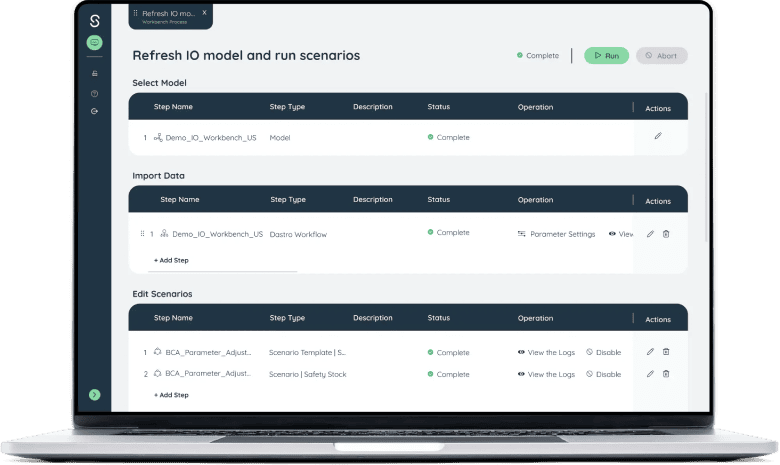
Sophus helps organizations model real behavior and optimize inventory across the entire network. Instead of reacting late, teams can plan smarter, rebalance faster, and stay resilient under pressure.
Try Sophus out for free to see how better inventory decisions change everything!
FAQs
1. How can inventory issues impact long-term military strategy?
Inventory problems can force changes in operational planning, slow troop movements, and reduce overall combat effectiveness, even if strategies are sound on paper.
2. Why do hierarchical command structures worsen inventory problems?
Centralized command slows decision-making, as requests for resupply must pass through multiple levels. This delay prevents field units from quickly addressing shortages or rerouting supplies, leaving forces vulnerable and increasing the risk of mission failures due to insufficient resources.
3. How have external alliances influenced supply chains in the conflict?
Allied support provided weapons, intelligence, and supplies, strengthening logistics, reducing shortages, and helping forces sustain long-term military operations.