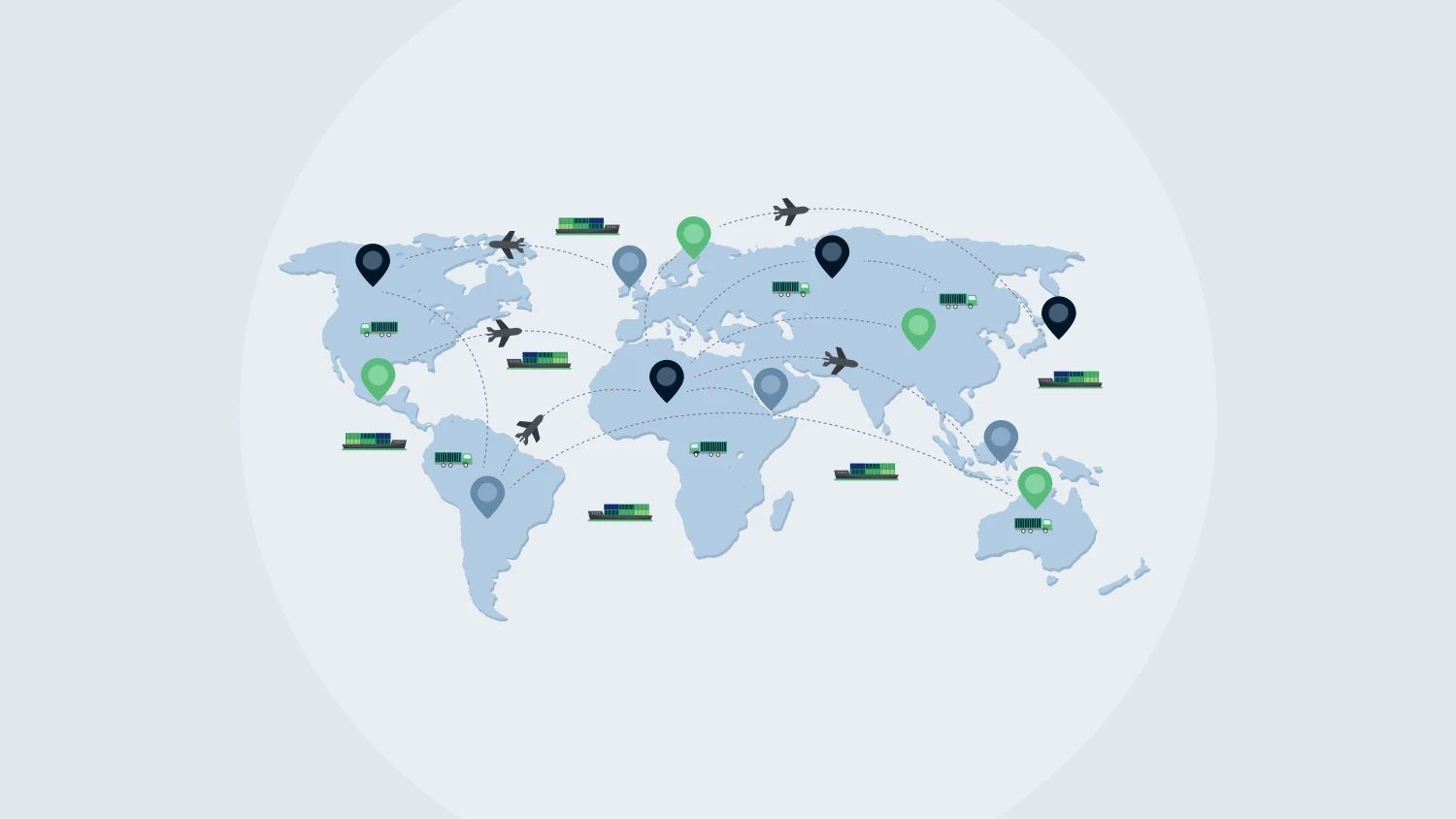
In logistics, every inch of unused space inside a truck or container means wasted money and missed efficiency. The goal has always been simple: move more goods, at lower cost, and on time. But the reality is more complex. AI in freight optimization is now changing how logistics leaders address this challenge. It helps organizations make better use of capacity, balance routes dynamically, and improve on-time delivery in ways traditional methods cannot.
Old freight planning systems were built for a slower world. They rely on static routing, fixed consolidation plans, and manual coordination between teams. These systems make the process feasible, but not truly optimized. They cannot adjust in real time when routes change, orders spike, or a delay ripples through the network.
AI brings a new way of thinking. It replaces manual guesswork with precision. By learning from patterns in routing, capacity, and delivery data, AI can continuously improve how trucks and containers are packed and dispatched. The result is smarter freight utilization, faster response to market shifts, and a supply chain that runs leaner and more predictably, even in volatile conditions.
In this article, we’ll explore the role of AI in freight optimization, from intelligent load planning to predictive consolidation, and why forward-looking logistics leaders are making this shift today.
AI vs Traditional Freight Optimization Methods
Freight optimization has come a long way from manual planning and fixed routing. Traditional systems focus on feasibility, while AI brings adaptability and optimization. Let’s see how AI in freight optimization improves efficiency, accuracy, and responsiveness across every stage of freight optimization.
|
Aspect |
Traditional Freight Optimization |
AI in Freight Optimization |
| Decision Making | Based on fixed rules, experience, and static spreadsheets. | Driven by data models that learn from historical and external data. And provide an optimal suggestion for the future |
| Planning Speed | Manual and time-consuming; updates often happen weekly or monthly. | Automated and adaptive; can update plans within minutes as new data arrives. |
| Resource Planning | Reactive to changes in demand or delays; planners adjust after issues occur. | Predictive analytics forecast demand shifts and bottlenecks ahead of time. |
| Fleet and Mode Selection | Limited to pre-set carrier choices and fixed mode allocations. | Simulates multiple carrier, mode, and rate combinations to find optimal cost-service balance. |
| Freight Consolidation | Manual grouping of shipments or based on some simple rules; often based on planner intuition. | Algorithmic consolidation that maximizes truck and container utilization while meeting capacity constraints and service level requirements. |
| Route Optimization | Static routes; updated infrequently and manually. | Routing that adjusts to latest data, order volume, and driver availability. |
| System Integration | Disconnected TMS, OMS, and ERP systems requiring manual data exchange. | Data integration across systems, enabling seamless coordination. |
| Cost Efficiency | Results in underused capacity and higher transport costs. | Reduces cost through improved asset utilization, fewer empty miles, and optimized load planning. |
| Scalability | Difficult to scale across multiple regions or modes. | Easily scalable through centralized platforms and cloud-based optimization engines. |
| Visibility | Limited insight into performance or exceptions until after execution. | Continuous monitoring and visibility across shipments, with alerts and insights. |
How AI Transforms Freight Consolidation and Optimization
Modern logistics networks handle thousands of shipments every day, often across regions with unpredictable demand, traffic, and weather conditions.Here’s how AI is reshaping freight optimization in key areas.
1. Predictive Analytics for Resource Planning
AI in freight optimization uses predictive analytics to prepare logistics teams before disruptions happen. It studies historical shipment data, seasonal trends, and external factors like traffic congestion, weather patterns, or port delays.
For example, an AI model can analyze two years of order data and forecast that demand for refrigerated trucks will spike in southern regions during summer. Knowing this in advance helps planners allocate more vehicles and drivers to those routes ahead of time. This shift from reactive scheduling to proactive resource planning prevents bottlenecks and improves service reliability.
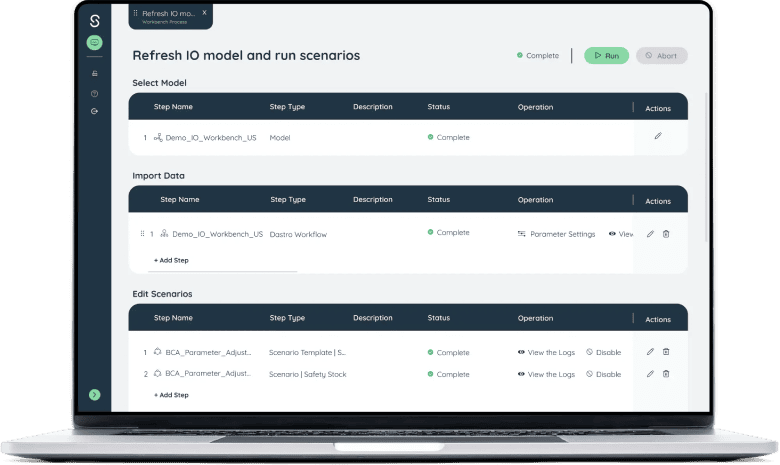
We, at test.sophus.ai/, apply the same principle through our AI-driven demand forecasting and digital twin capabilities. By creating a live model of the supply chain, organizations can test “what-if” scenarios, predict capacity shortfalls, and make informed resource plans weeks in advance. This turns forecasting into a strategic advantage, ensuring the right assets are always positioned where they’re needed most.
2. Fleet Size Optimization
Using optimization algorithms, AI can simulate different transport scenarios to identify the most cost-effective combination of carriers, modes, and fleet sizes. It compares available assets, rates, and service levels from multiple vendors before recommending the best mix.
3. Advanced Automation
AI automates the heavy data work that often slows down logistics operations. By connecting transportation management systems (TMS), order management systems (OMS), and routing tools, it eliminates manual data entry and keeps all systems synchronized.
4. Freight Consolidation
AI can also optimize freight consolidation by grouping shipments that share destinations or compatible delivery windows. It finds opportunities to increase truckload utilization or fill ocean containers more efficiently without missing delivery commitments.
For example, a retailer shipping goods from multiple suppliers to a distribution center can use AI to combine partial loads into full truckloads. The algorithm considers container weight limits, product type, and time sensitivity to ensure compliance and avoid damage. As a result, the company saves on freight cost while reducing the number of trips on the road.
5. Route Optimization
Finally, AI enhances routing for every stage of freight movement — inbound pickups, outbound deliveries, and transfers between distribution centers or stores. It accounts for real-world constraints such as driver schedules, vehicle capacities, and regional compliance rules.
A practical example is a regional carrier that uses AI to update delivery routes daily based on updated routes traffic and order volume. Instead of relying on fixed routes, the system continuously optimizes paths, reducing fuel consumption and improving on-time performance.
Benefits of AI in Freight Optimization
AI brings measurable improvements to how freight is planned, packed, and moved. Here’s how AI delivers value across the freight network:
1. Increased Load Efficiency
AI algorithms analyze shipment size, weight, and destination to maximize how space is used inside trucks and containers. This means fewer half-empty loads and fewer trips to deliver the same volume. For example, a logistics operator can consolidate multiple small shipments bound for the same region into one optimized full truckload, saving fuel and labor costs.
2. Lower Freight Costs
Smarter packing and dynamic routing minimize empty miles and underused capacity. Predictive analytics also help avoid penalties from missed delivery windows or last-minute rescheduling. Over time, these savings compound across large fleets, improving overall freight margins.
3. Faster Decision-Making
AI-powered automation enables instant responses to network changes. When a route is disrupted by weather or port delays, the system can automatically suggest alternative paths or adjust load plans within seconds instead of hours. This real-time adaptability keeps operations moving smoothly without human intervention.
4. Improved Delivery Reliability
AI enhances on-time performance by forecasting disruptions before they occur. It considers factors like traffic congestion, weather forecasts, and local restrictions to suggest the most reliable route. As a result, delivery promises are met more consistently, improving customer trust and service reputation.
5. Greater Operational Agility
Logistics networks often face rapid changes in shipment volume, product mix, or delivery priorities. AI makes it easier to adapt. During peak seasons or unexpected surges, the system can quickly rebalance routes, reassign fleets, and update delivery schedules all while maintaining cost efficiency.
6. Reduced Environmental Impact
Optimized routing and smarter load planning enable fewer trips, directly reducing fuel costs and carbon output.
For many companies, this helps meet sustainability targets while lowering operating costs. A well-optimized route not only saves money but also aligns with corporate ESG goals.
7. Continuous Learning and Improvement
Machine learning models constantly refine optimization strategies. Each trip, delivery, and adjustment generates data that helps the system learn what works best. Over time, AI improves its recommendations, resulting in smarter packing, better routing, and higher efficiency across the network.
How Sophus Technology Brings Intelligence to Freight Optimization?
test.sophus.ai/ helps logistics teams turn complex freight operations into data-driven, automated systems that adapt in real time. Its platform uses advanced AI and predictive analytics to enhance every stage of freight movement.
- Uses AI to analyze regional data such as traffic, weather, and carrier availability.
- Optimizes truck and container packing through real-time automation.
- Predicts potential disruptions and reroutes shipments instantly to prevent delays.
- Improves load consolidation and overall route reliability.
- Reduces missed deliveries and lowers total freight costs.
- Supports agile, data-driven logistics operations with continuous learning and adaptation.
Conclusion
The logistics industry is evolving, and only those who adapt will lead. With AI in freight optimization, businesses can save time, lower costs, improve delivery reliability, and build more sustainable operations.
Now is the time to make the shift. Let Sophus Technology be your partner in transforming freight operations with intelligence and precision. Book a call and explore how our AI-driven platform helps you optimize loads, automate planning, and predict disruptions before they happen.
Smarter, more efficient logistics start here with Sophus Technology.