
AI-Powered Demand Forecasting Tool
The AI Forecast That Shows Its Work
Trusted by Growing Companies at Every Stage of Network Design Maturity









Why teams stop trusting their forecast
Many supply chain demand forecasting models either ask you to choose the algorithm for every product/channel (which can mount to a huge number of combinations) or choose it blindly and you don’t know why the forecast number is what it is.
Sophus removes both problems.

The old way
Traditional demand forecasting tools force you to choose from dozens of algorithms yourself, guessing which one fits each product-channel combination.

Sophus
Sophus figures out the best algorithm for each product-channel combination automatically, so accuracy goes up and the guesswork goes away.

The old way
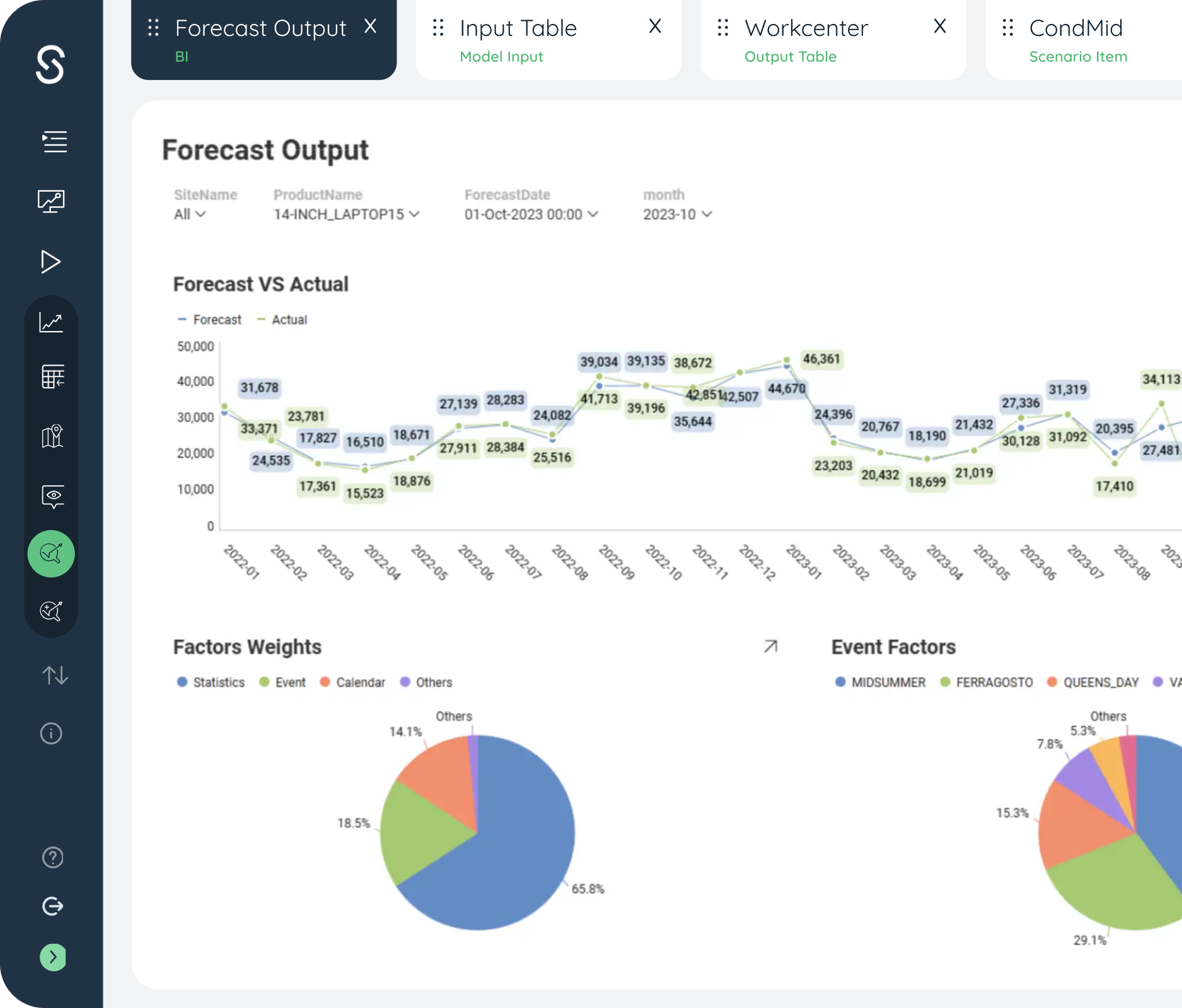
Most AI models won’t tell you why the forecast moved. Accuracy might be 90% one week and 50% the next, with no visibility into what changed.
Sophus
Sophus figures out the best algorithm for each product-channel combination automatically, so accuracy goes up and the guesswork goes away.
Sophus pulls supply chain data into one platform, so forecasting isn’t working off a different data set than the rest of your Supply Chain planning and optimization.
Stop Guessing. Start Trusting.
Two products. One sharper forecast.
Sophus X determines the right fleet size and asset mix, optimizes multi-stop pick-up and drop-off routes, and weighs route cost against the fixed cost of new assets or outsourced capacity.
Picks the algorithm and explains the number
Sophus X runs the models behind every forecast. AI picks the right algorithm for each product-channel combination, then breaks down what’s actually driving the number.

Automatic algorithm selection per product and channel

Explainable factor breakdown: seasonality, trend, promotions

Scenario testing for demand shifts and planned promotions
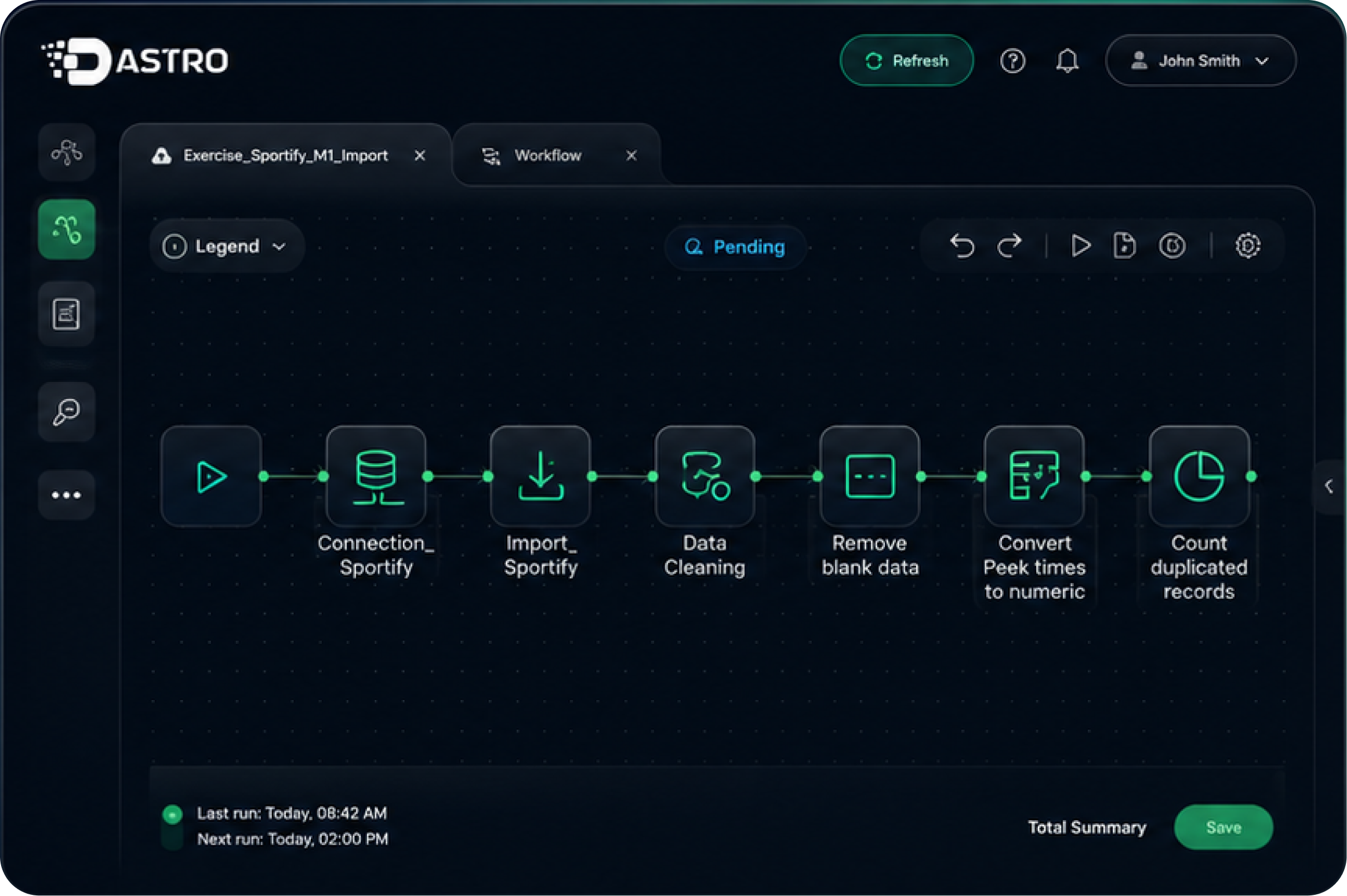
Dastro – Data Automation
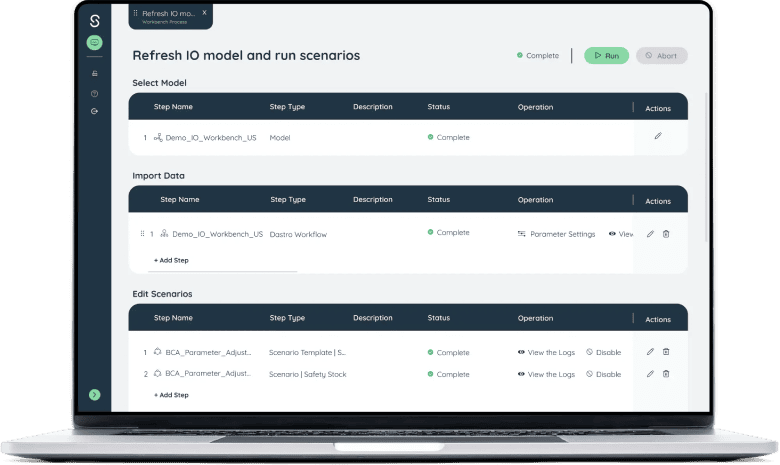
Feeds the model with clean, current data
Dastro connects to your ERP, promotion calendars and even outside data sources such as weather and temperature, and cleans up the data before it reaches the forecasting engine. Sophus X ends up working from your real demand signal.
Automated extraction from ERP, POS, and planning systems

Scheduled data refreshes on the cadence you set

Historical and promotional data reconciled automatically
What a better forecast actually gets you

Sharper Accuracy

Better Operations
Better forecasts optimize inventory levels and shorten lead times, translating directly into cost savings and stronger operational efficiency.
Better Inventory Starts Here
Put the forecast to work
A sharper forecast is only useful once it reaches the rest of your planning. These capabilities plug straight into it.
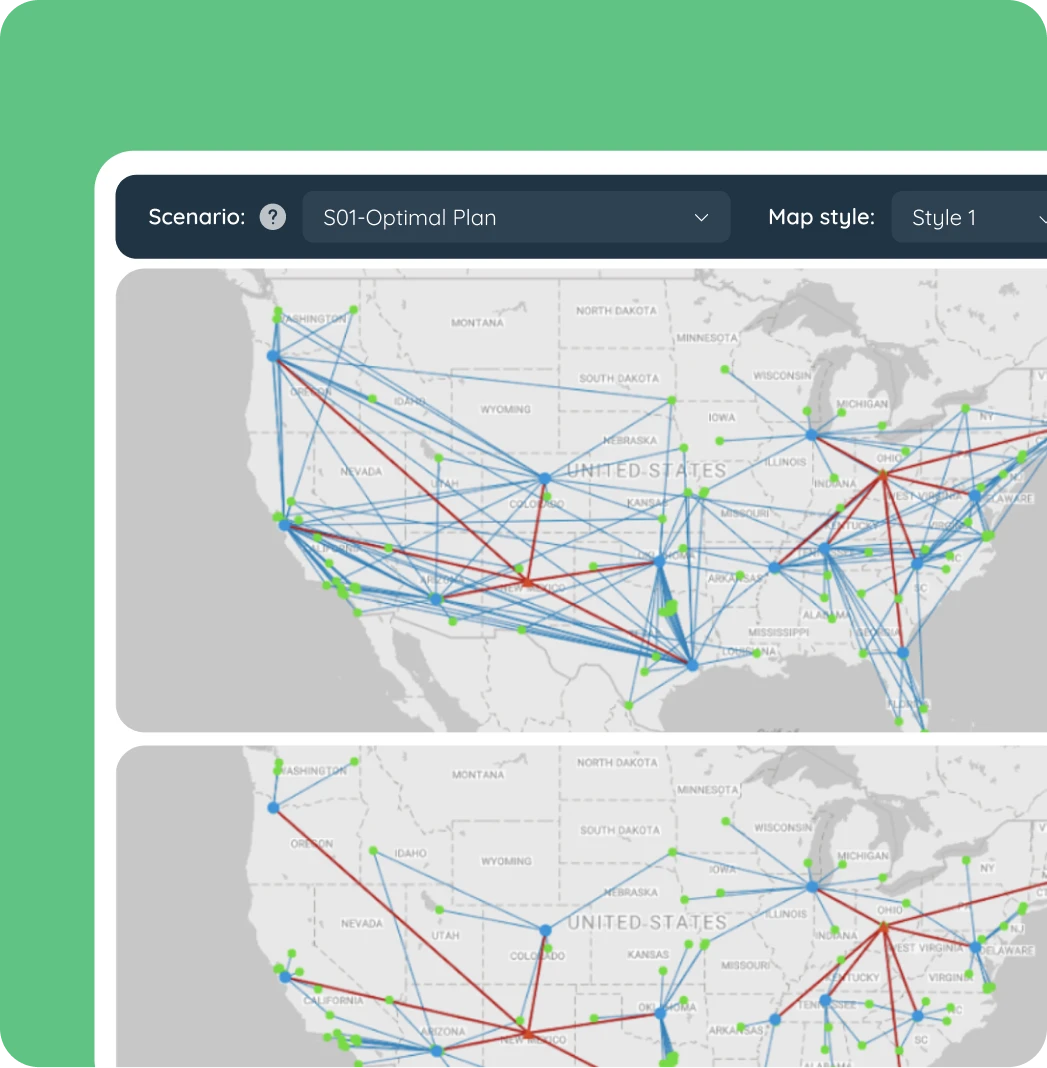
Supply Chain Network Digital Twin
Feed a sharper forecast straight into a live model of your network.
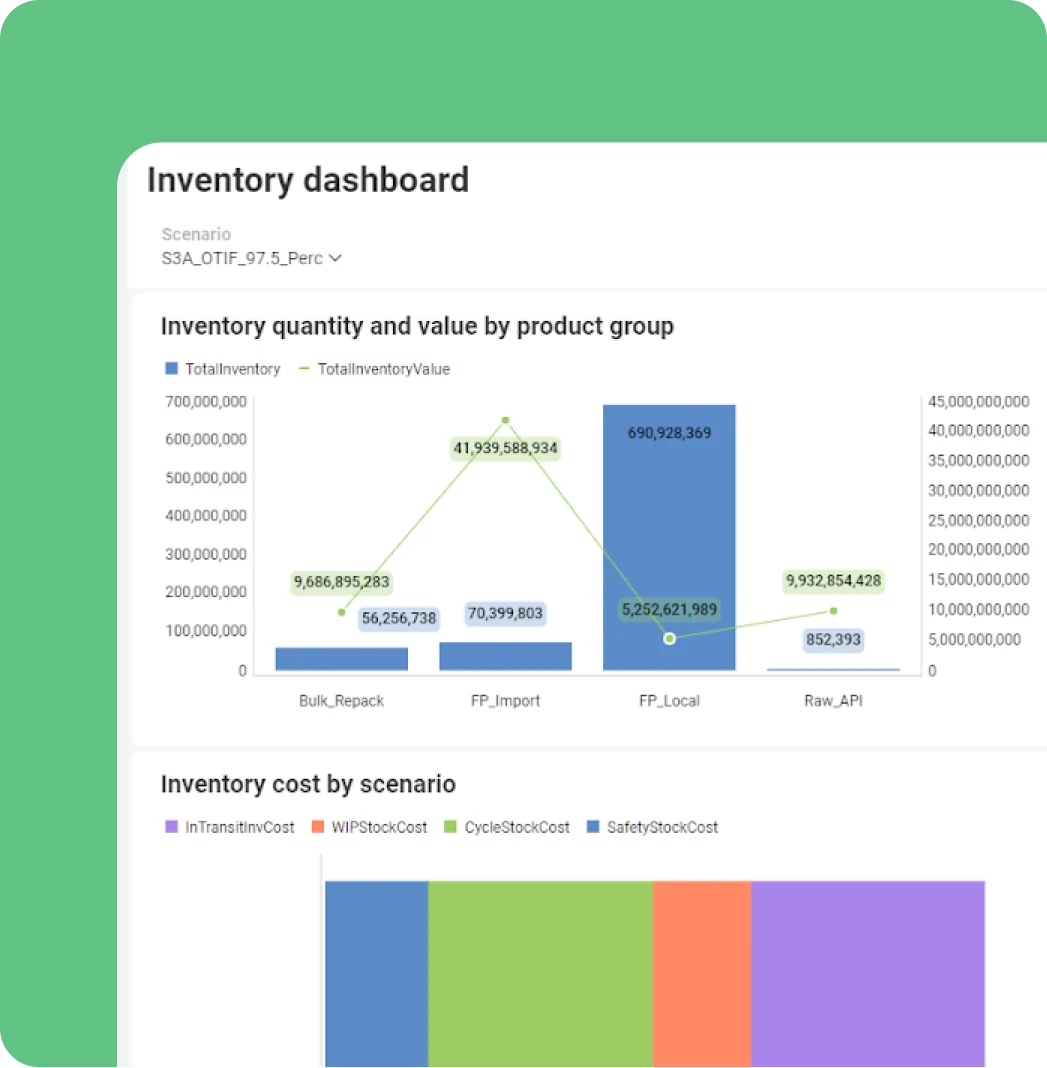
Supply Network Planning
Turn the forecast into an operating plan across supply, capacity, and demand.
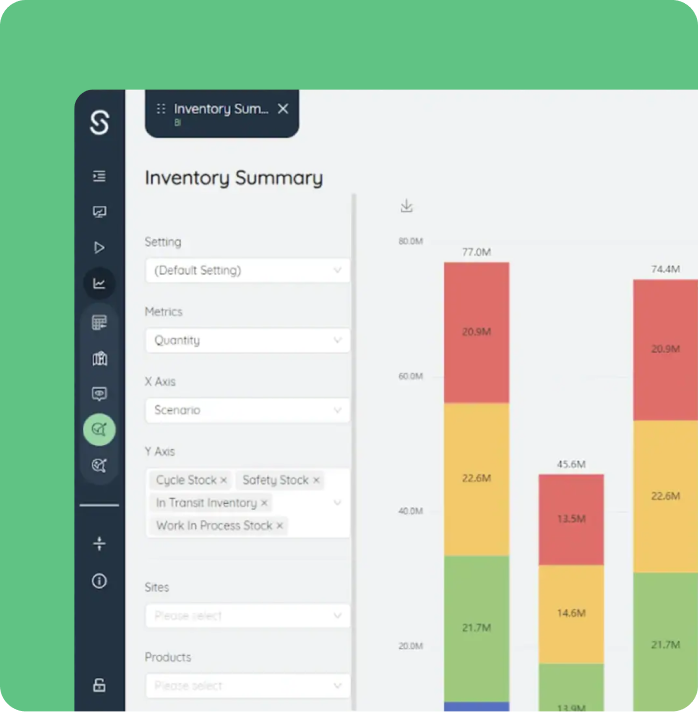
Inventory Optimization
Set inventory levels against a forecast you can actually explain to finance.
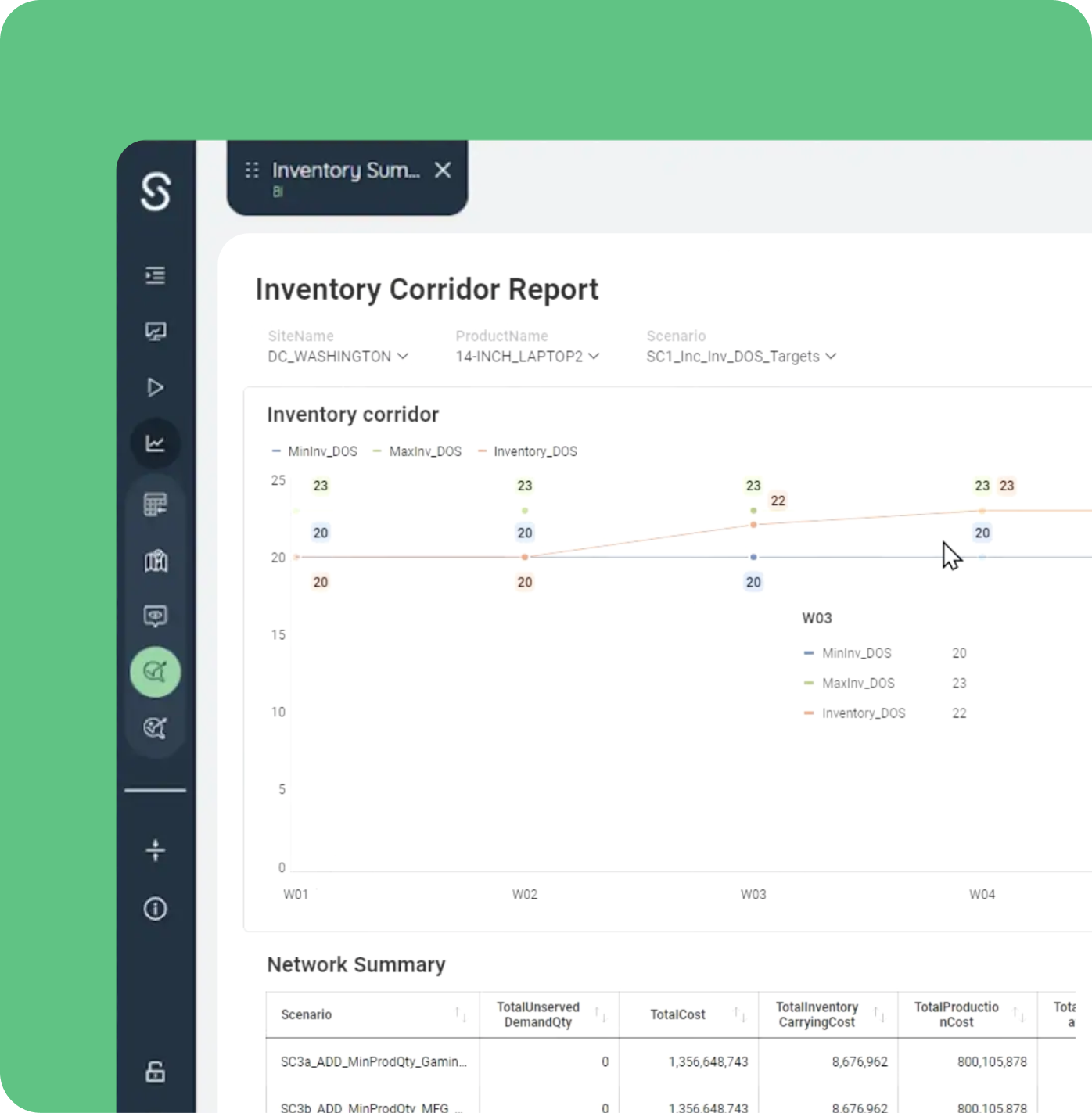
Replenishment Optimization
Trigger replenishment of a forecast that updates as demand shifts.
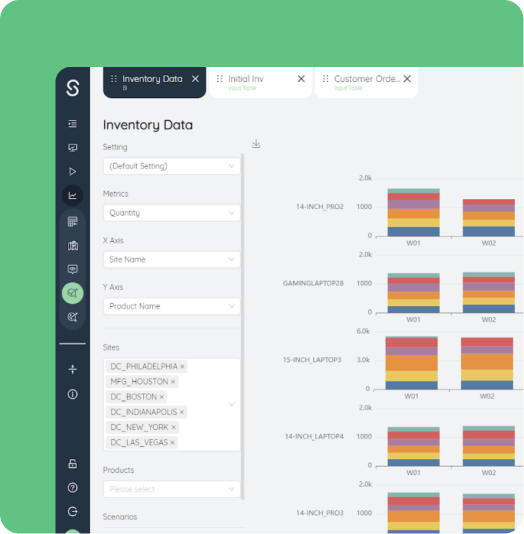
Safety Stock Optimization
Size safety stock against forecast confidence instead of a flat buffer rule.
Supply Chain Risk & Resilience
Stress-test the network against a demand shock the forecast flags early.
FAQs