
Supply Network Planning & S&OP
Balance and Optimize Demand And Supply planning.
Trusted by Growing Companies at Every Stage of Network Design Maturity









Why This Matters
The plan behind every decision.
Sales & Operations Planning, or S&OP, is the process that lines up what a business plans to sell with what its supply chain can actually produce and deliver. When it works, sales, finance, and operations all plan from one shared number.
When it doesn’t, that gap between demand and supply shows up as stockouts, excess inventory, or wasted capacity, and fixing it after the fact can cost a company millions in a single week.
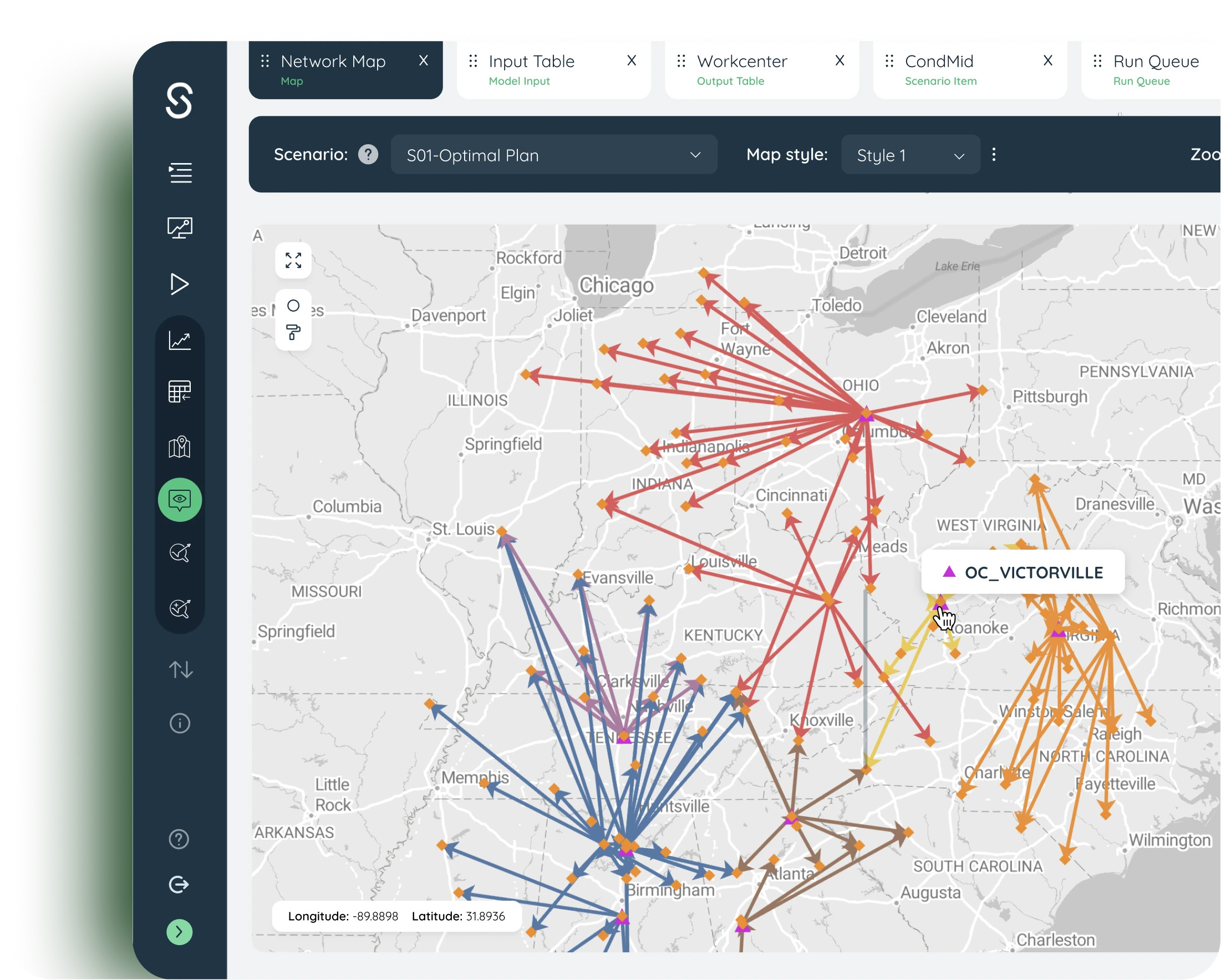
See where your plan would break.

See The Whole Picture
One model connects demand, supply, production and finance, not disconnected tools and a spreadsheet in between

Cut Cost, Not Corners
Optimization is built into the plan itself, so savings come from a better plan, not from adding more manual work.

Move At The Speed Of Change
What-if scenarios run in hours, not weeks, so the plan adapts as fast as the business does.
The Problem
Why your S&OP process is bleeding money
Sales & Operations Planning (S&OP) should be the plan your whole business runs on. For most companies, it’s still a spreadsheet.
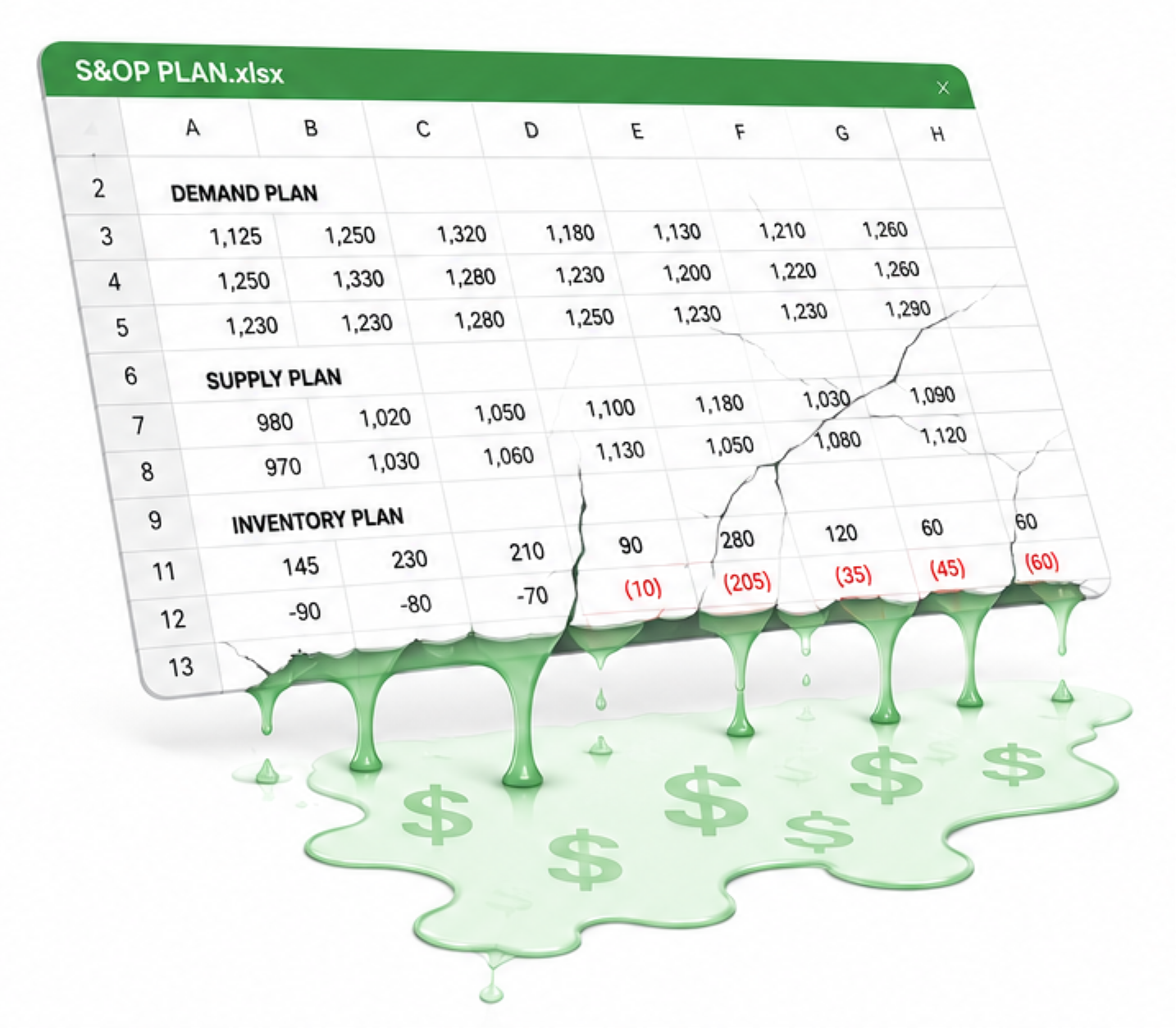
Legacy tools plan around problems instead of giving solutions.
Most companies already have legacy planning systems in place, but S&OP still runs manually, on spreadsheets. Those systems weren’t built to optimize; they are designed to reflect your current process and constraints instead of finding the alternative that would actually save money.
By the time the plan updates, you've already lost the time.
Markets move fast, and your S&OP process needs to keep up and refresh. Legacy systems can’t update plans or spin up alternative scenarios quickly enough. Even it does it is providing just an answer to solve a problem not optimizing the answer, that lag can cost millions, sometimes tens of millions, a week.
Whichever path you’re on, we’ve modeled it.
One optimized plan

S&OP — Weekly/Monthly Scenarios
Balance demand against supply, every cycle
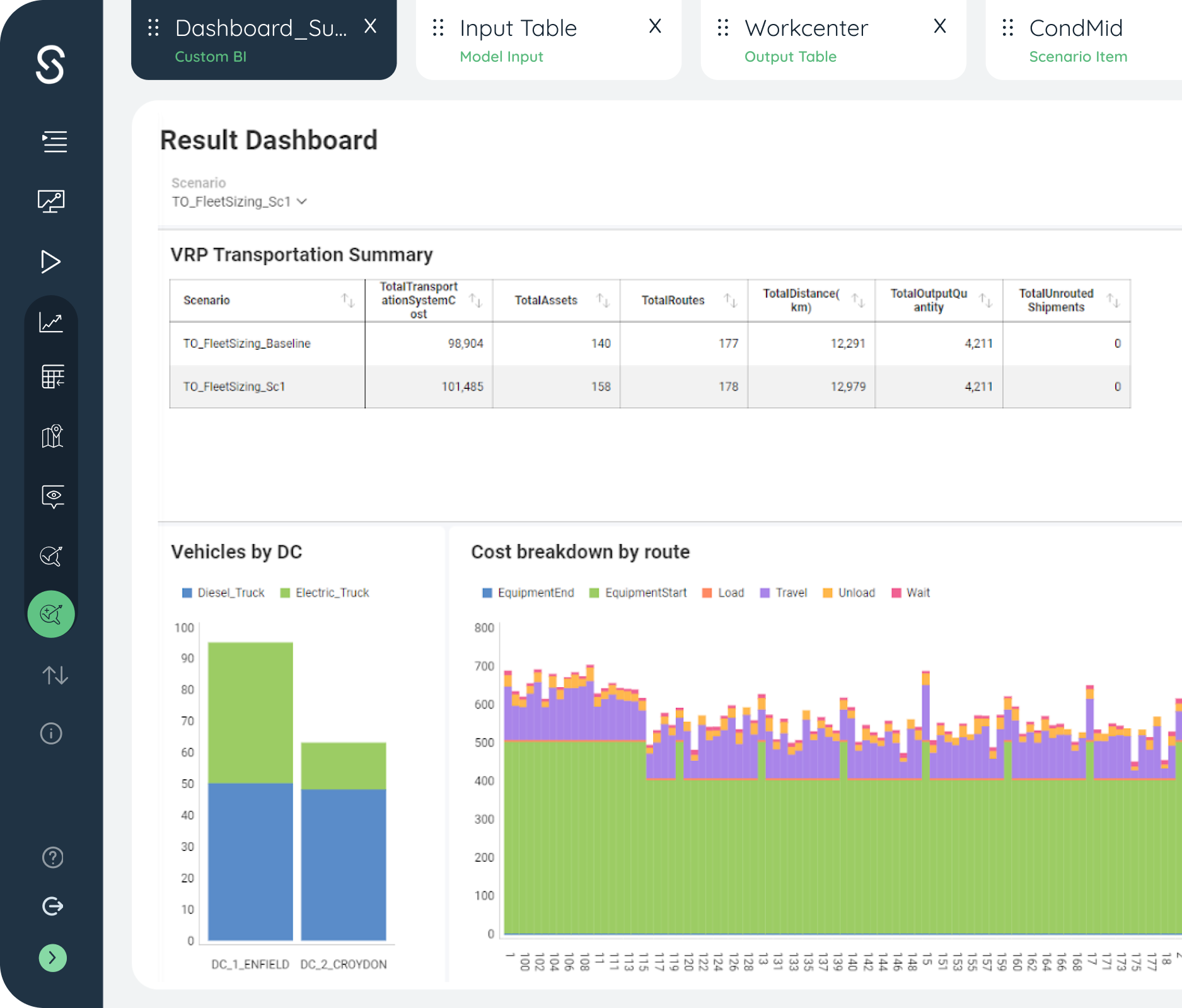
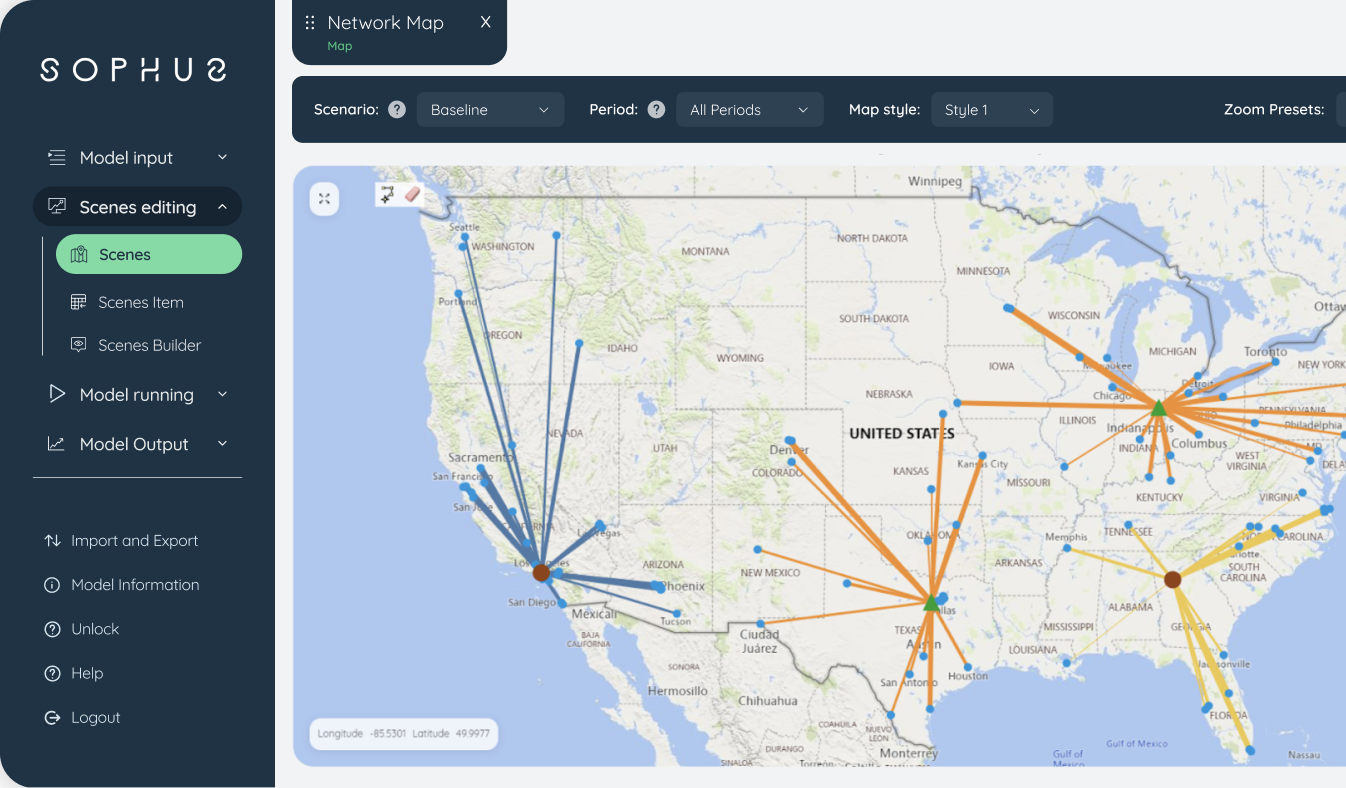
Sophus runs weekly and monthly what-if scenarios, balancing demand against real supply constraints and optimize the plan from end to end cost perspective. Sophus X gives you a single optimized plan for all S&OP activity, with scenario building and evaluation built right in.
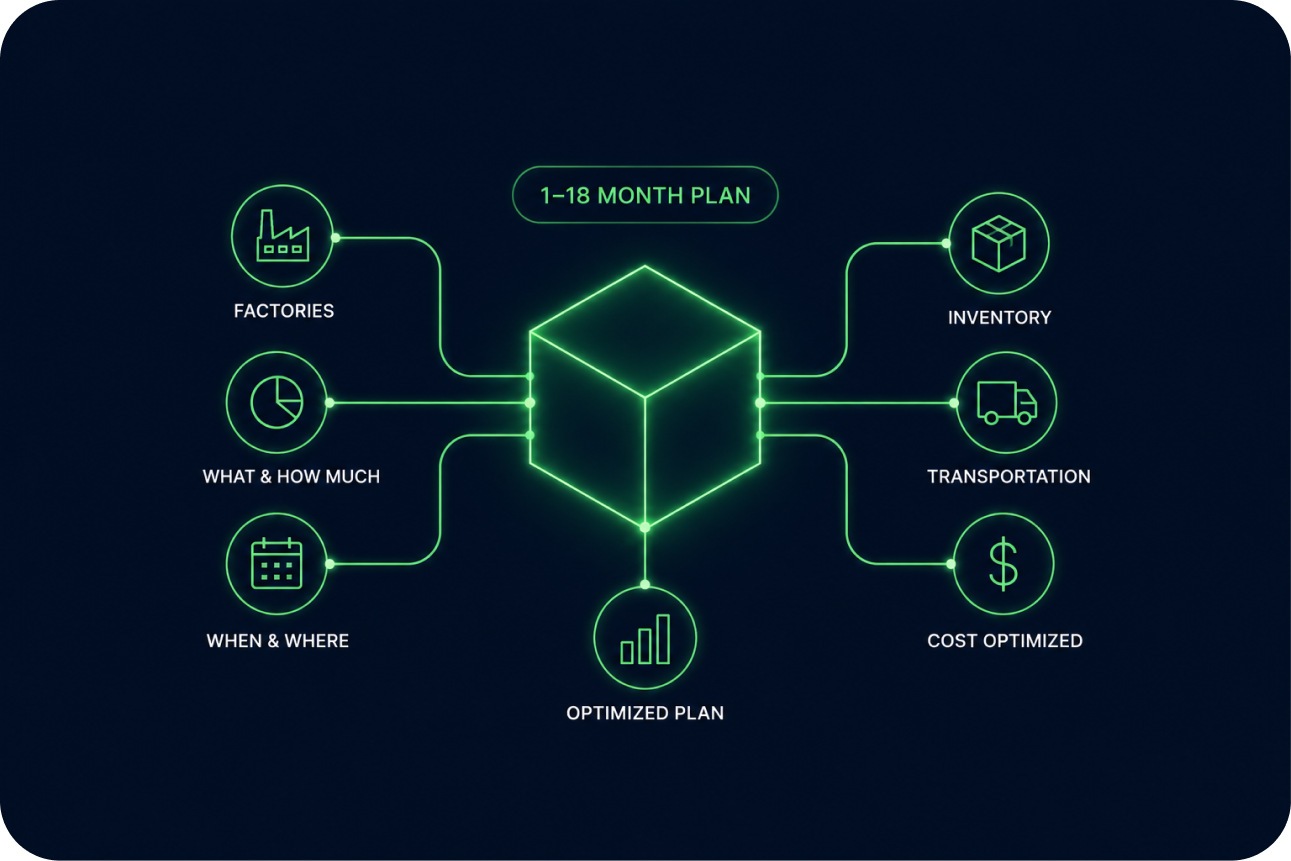
Supply Network Planning — 1–18 Month Master Plan
Allocate production before the bottleneck hits
At the mid-term layer, Sophus reallocates production and shifts volume between factories to hedge against bottleneck but more importantly also to optimize the cost. It optimizes what to produce, how much, when, and where, plus whether you need pre-build inventory, which transportation mode to use, how much.
The S&OP maturity curve
Every company sits somewhere on this curve. Sophus is built to move you up it, whatever your current S&OP maturity looks like.
Spreadsheet chaos
Manual, reactive, no real link between demand and supply.
Scheduled meetings
Monthly reviews, but plans are still built by hand.
Stage 3
Partially automated
Systems talk to each other, but scenarios are still slow to build.
Stage 4
Integrated S&OP
One optimized plan. What-if scenarios in hours, not weeks.
Where Sophus takes you
How It Actually Works
From raw data to a balanced plan
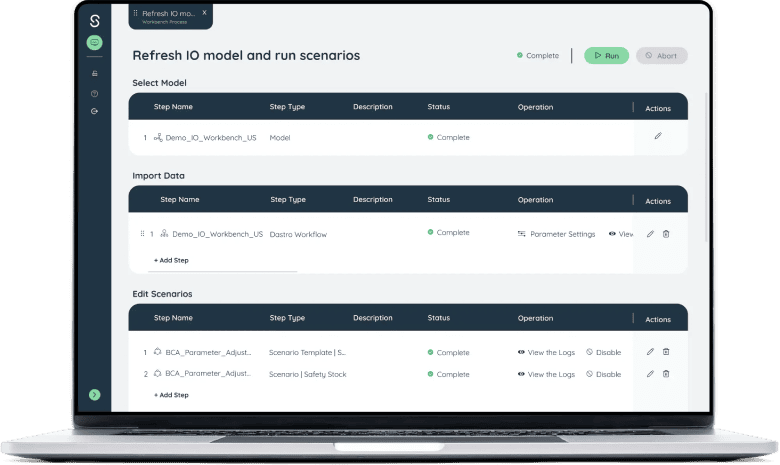
Sophus X and Dastro aren’t two separate tools bolted together. They’re one pipeline, data in, a balanced plan out.
Your Systems
ERP, POS, and planning tools

DASTRO
Cleans and automates the data

Sophus x
Optimizes and runs what-if scenarios

Your master plan
Production, capacity, sourcing
Built For Your Role
One plan, aligned to how everyone actually works
S&OP fails when each team plans from a different number. Sophus gives all three the same one.

Supply Chain Leaders
See the master plan across every factory
Opening a new distribution center, entering a new market, consolidating facilities. See the cost and service impact before you commit.

Operations Teams
Run the scenario yourself
Find the optimal bottleneck reallocation, pre-built inventory plan or a capacity shift.

Finance Teams
Get a plan tied to real cost data
The number in the planning room is the number that shows up in the budget, because both are pulled from the same optimized plan.
Stop loosing milions to a manual plan.
What one optimized plan actually delivers
6-8%
Variable production cost reduction
35-40%
Capacity utilization improvement
8-10%
Logistics cost reduction
What planning leaders say about the impact

4.8 ratings on Gartner Peer Insight
35-40% Better Utilization Starts With One Plan
Put the plan to work
A strong and optimized master plan connects directly to how you budget, invest, and execute against it.
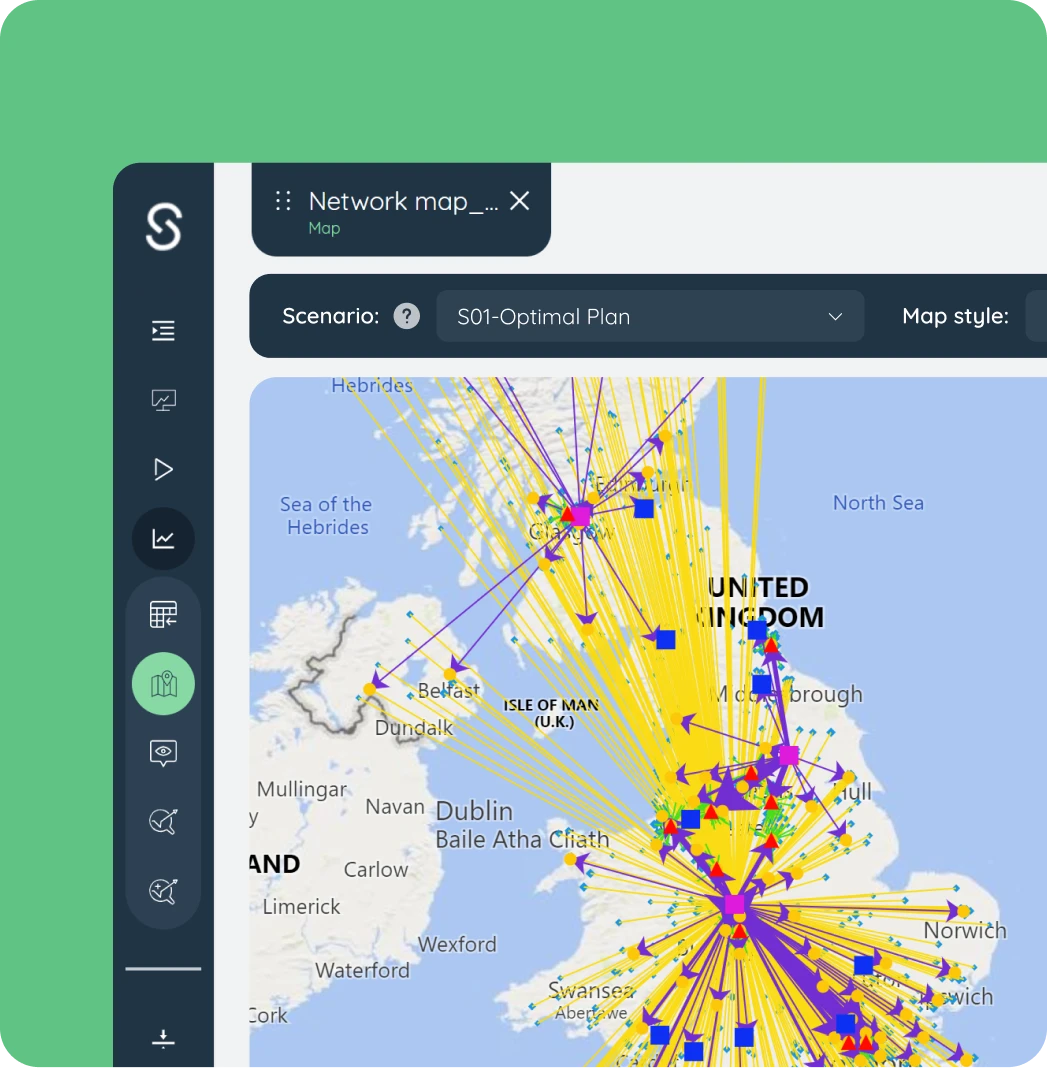
Weekly/Daily Supply Network Planning
Build the master plan week to week, adjusting as real demand and supply shift.
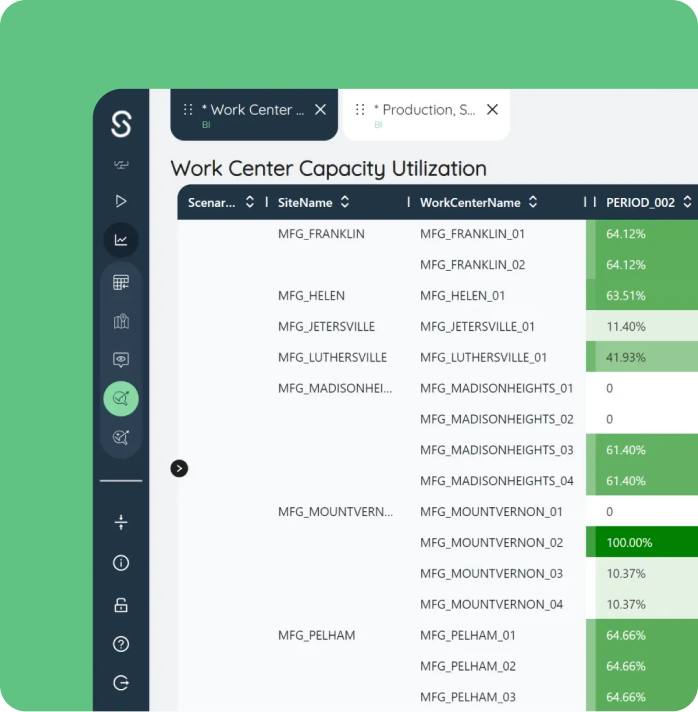
CAPEX Planning
Justify the new capacity your master plan says you’ll eventually need.
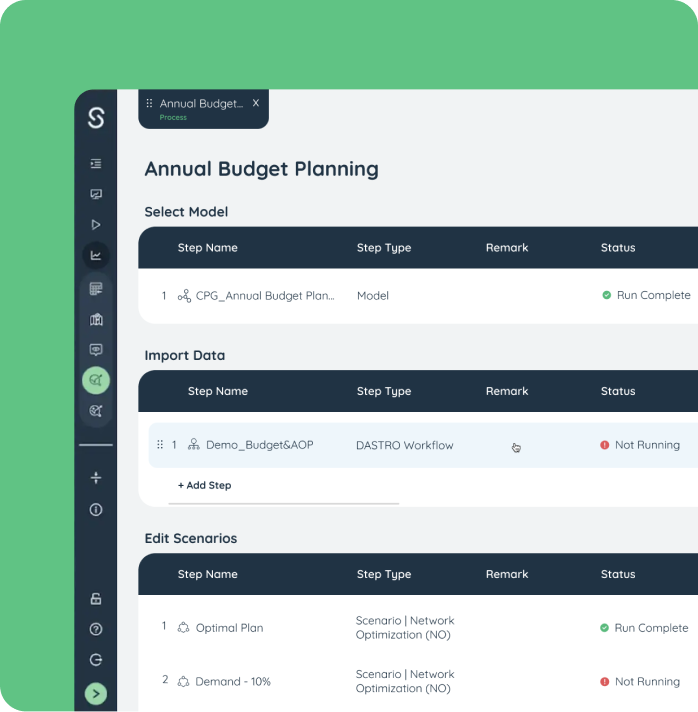
Annual Budget Planning
Roll the master plan into the budget finance actually signs off on.
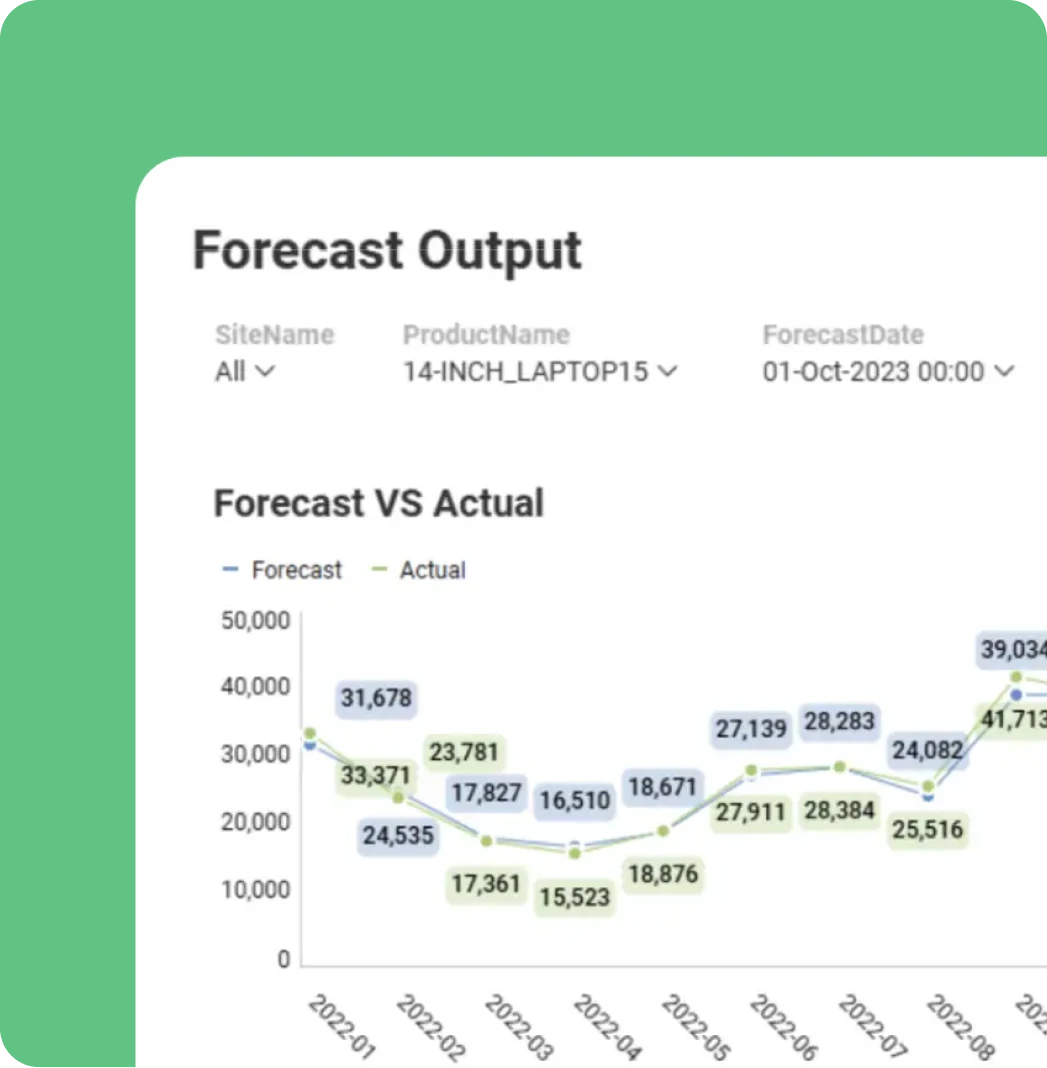
Demand Forecasting
Feed the master plan with a forecast it can actually trust.
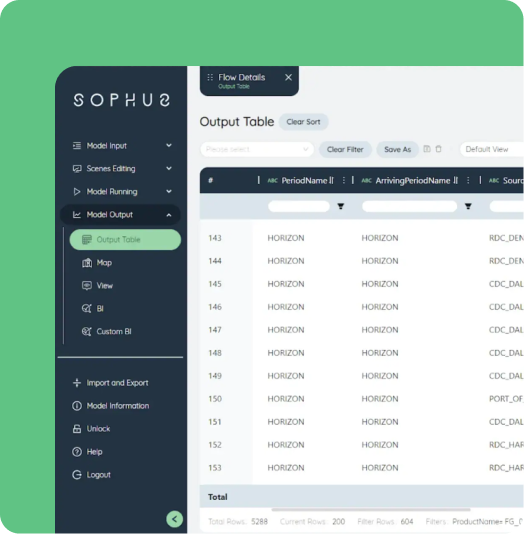
Sourcing Optimization
Decide how much raw material to source and from where, as part of the same plan.
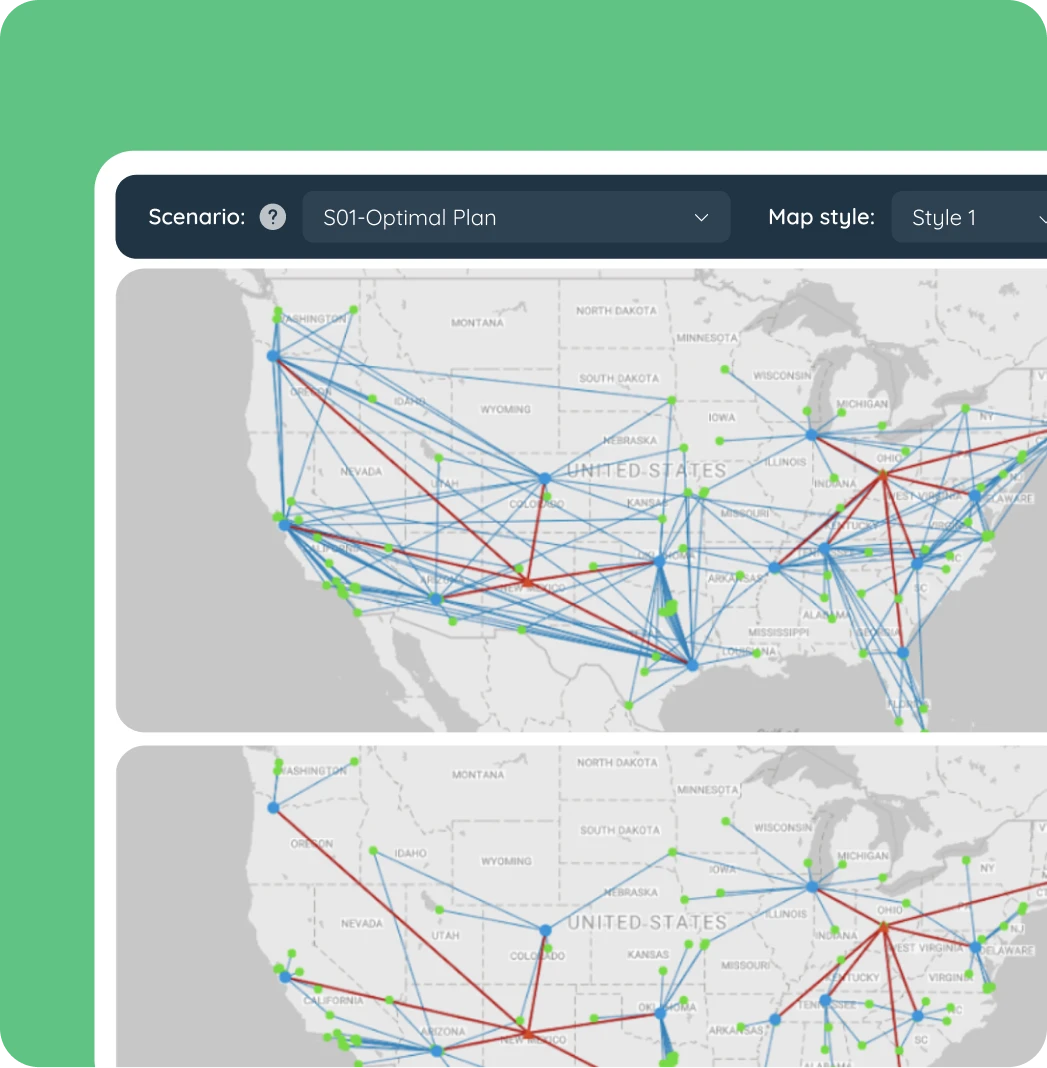
Supply Chain Network Digital Twin
See the master plan reflected in a live model of your entire network.
FAQs