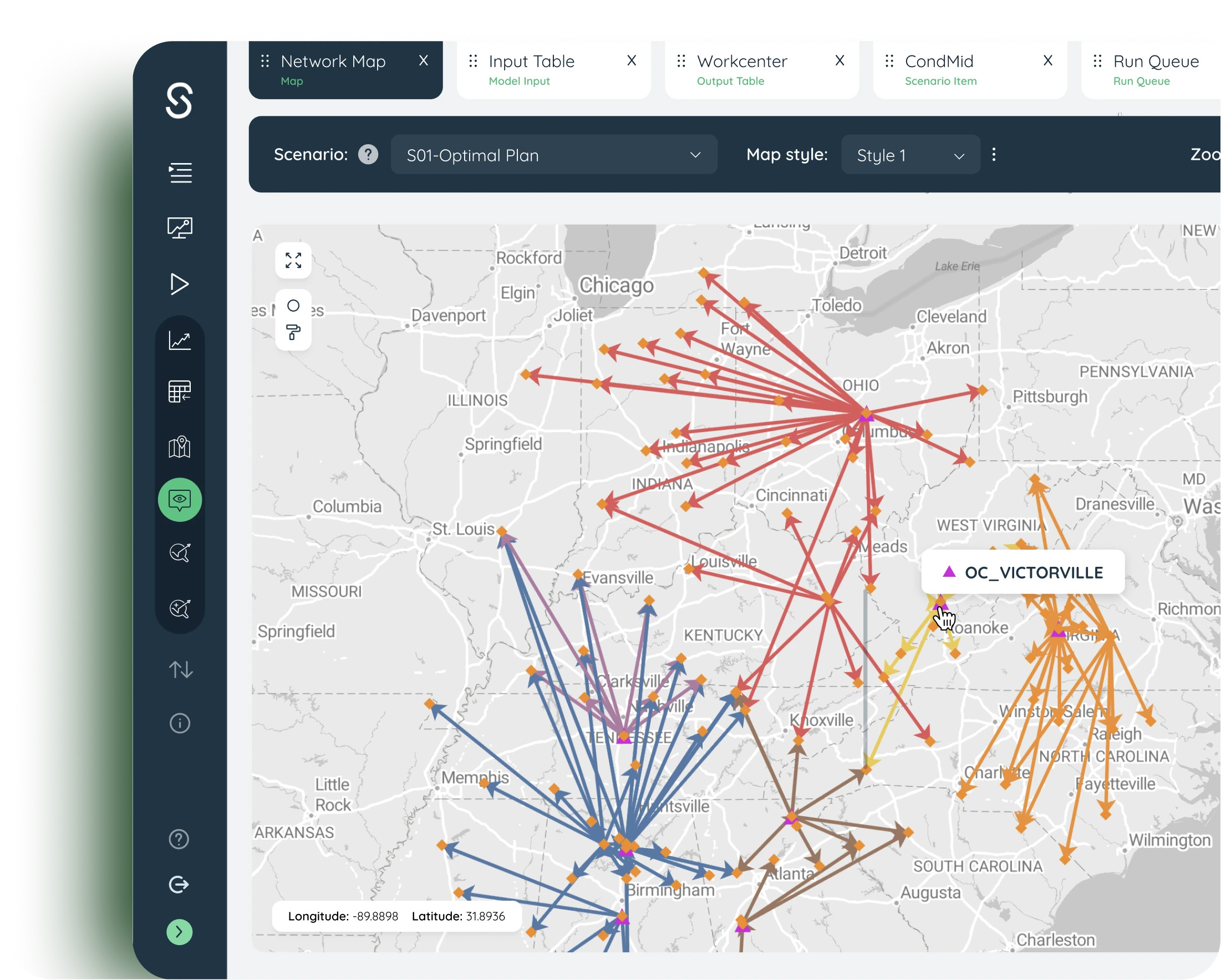

The Cost Your Balance Sheet Never Shows.
Trusted by Growing Companies at Every Stage of Network Design Maturity









See The Invisible Cost
Simulate Before You Commit
Fresher Without Overstocking
The margin leak nobody’s tracking
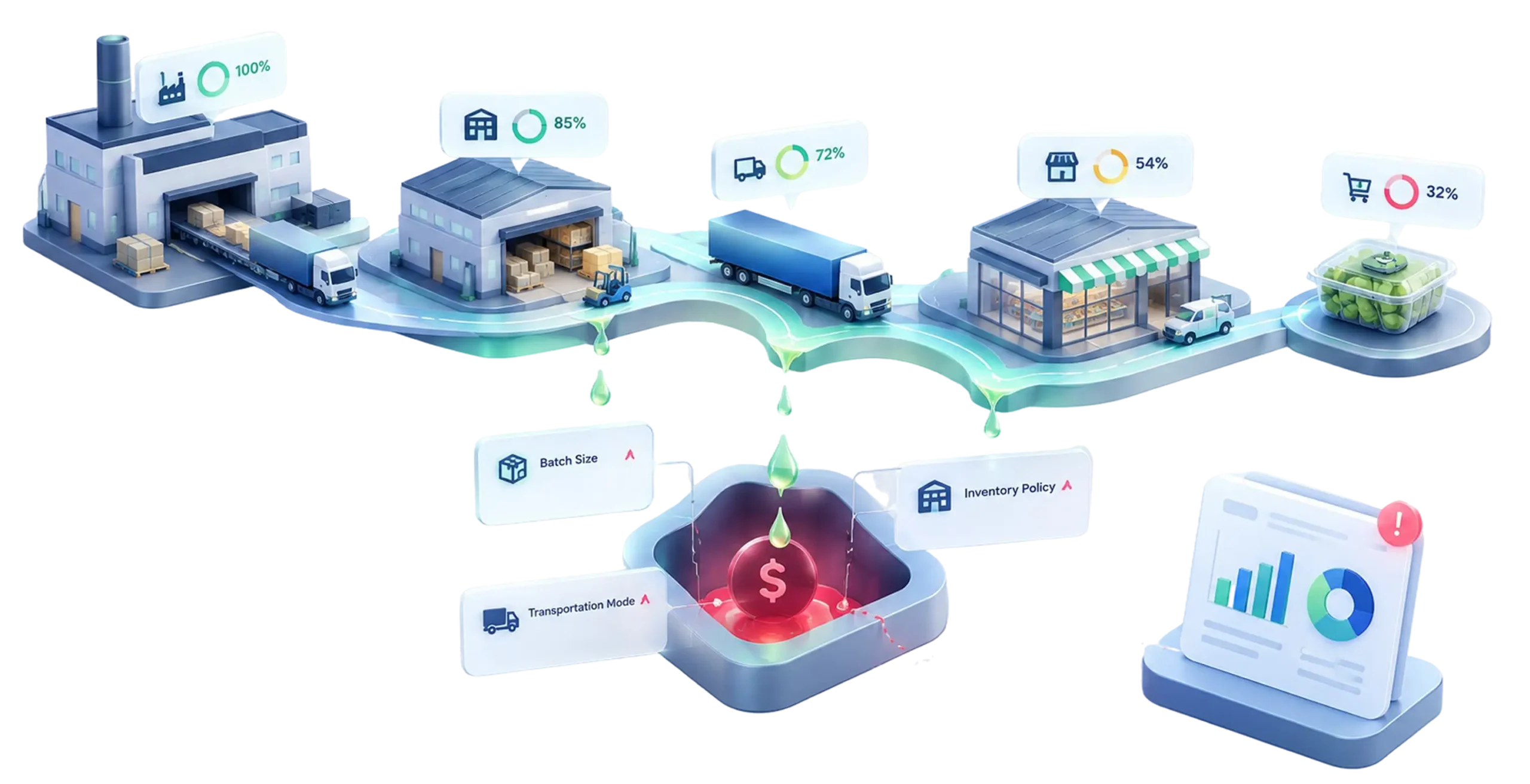
Shelf life is a critical cost driver for many companies, yet it’s often invisible, the impact never even shows up as its own line in standard corporate financial statements.
What if you could simulate your entire supply chain and see exactly how batch size, inventory policy, and transportation mode are quietly eating into shelf life, before the waste and markdowns show up in the numbers?
Sophus simulates the end-to-end supply chain to track shelf-life performance, then recommends the batch size, inventory, and transportation changes that protect freshness while maintaining or reducing cost.
The Problem
Why shelf life stays invisible until it’s expensive

It's critical, but nobody's watching it

Mismanagement shows up as waste and lost margin
A simulation loop
Sophus runs this as a continuous loop, not a report you build once and shelve.
01 / Track
See current performance
Simulate the end-to-end supply chain to track and understand current product shelf-life performance.
02 / Test
Run the what-ifs
Conduct simulations to determine the effect of changing production batch size, inventory policies, and other factors on shelf life.
03 / Analyze
See the real impact
Analyze the impact of shelf life on sales, cost, and inventory levels across the network.
04 / Recommend
Get a policy, not just a report
Recommend new policies, like changes to batch size, inventory allocation, or transportation mode, that improve shelf life while maintaining or reducing cost.
How It Actually Works
One Simulation. Two Tools.
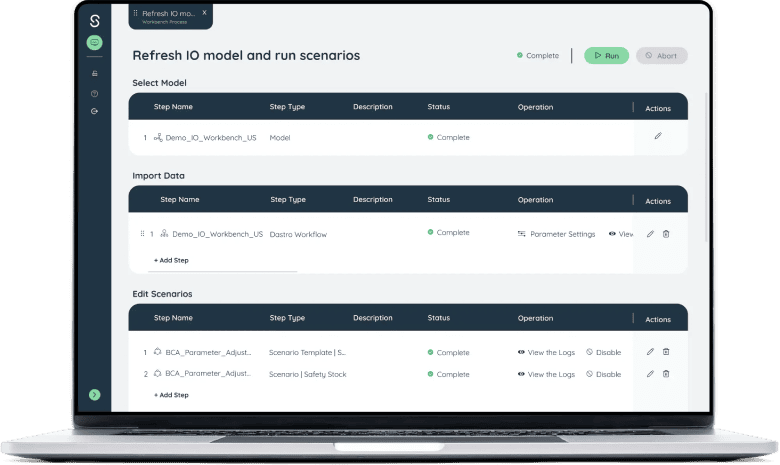
Dastro keeps the simulation fed with current production, inventory, and transportation data, pulled and cleaned automatically instead of assembled by hand. Sophus X runs the actual simulation on top of it, testing batch size, inventory policy, and mode of transportation together, then recommending the combination that protects shelf life without raising cost.
Dastro
Data layer
Production, inventory, and transportation data pulled and cleaned automatically — the simulation stays current without hand assembly.
Sophus X
Simulation layer
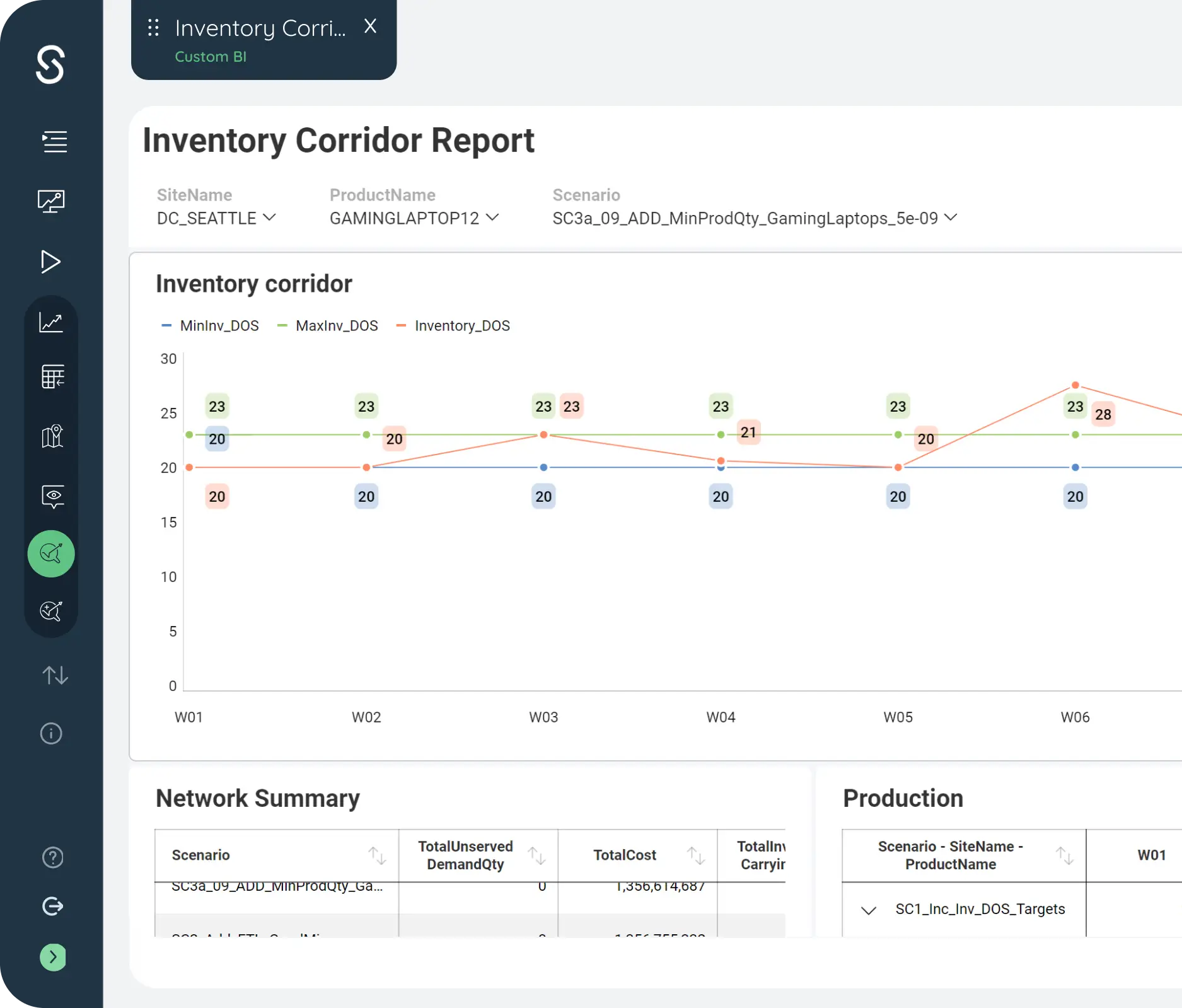
Tests batch size, inventory policy, and mode of transportation together, then recommends the combination that protects shelf life without raising cost.
Benefits
What shelf-life optimization actually delivers
What Verified Users Say on Gartner

4.8 ratings on Gartner Peer Insight
Put the simulation to work
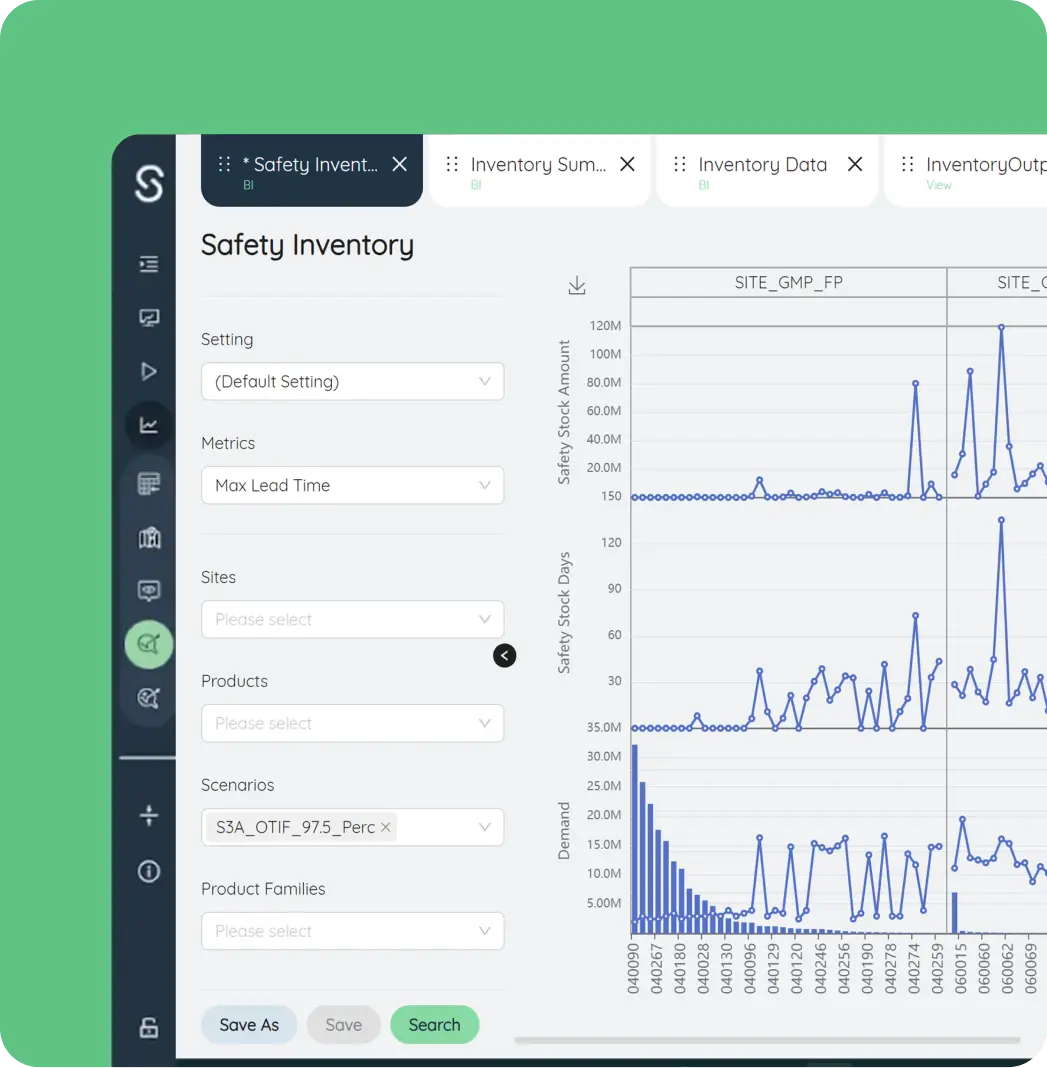
Inventory Optimization
Set stock levels that account
for shelf life, not just demand.
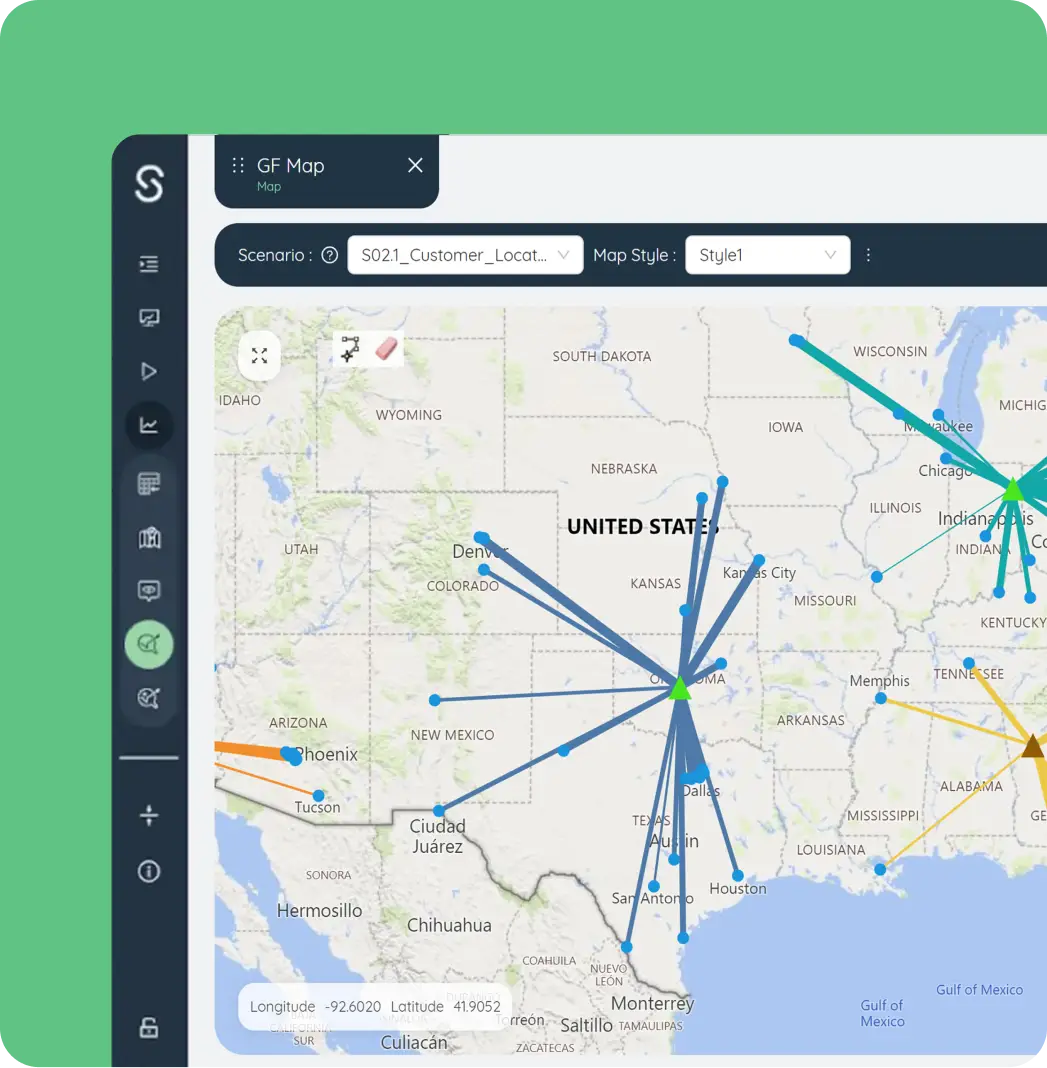
Replenishment Optimization
Move stock fast enough to protect the shelf life your simulation just found.
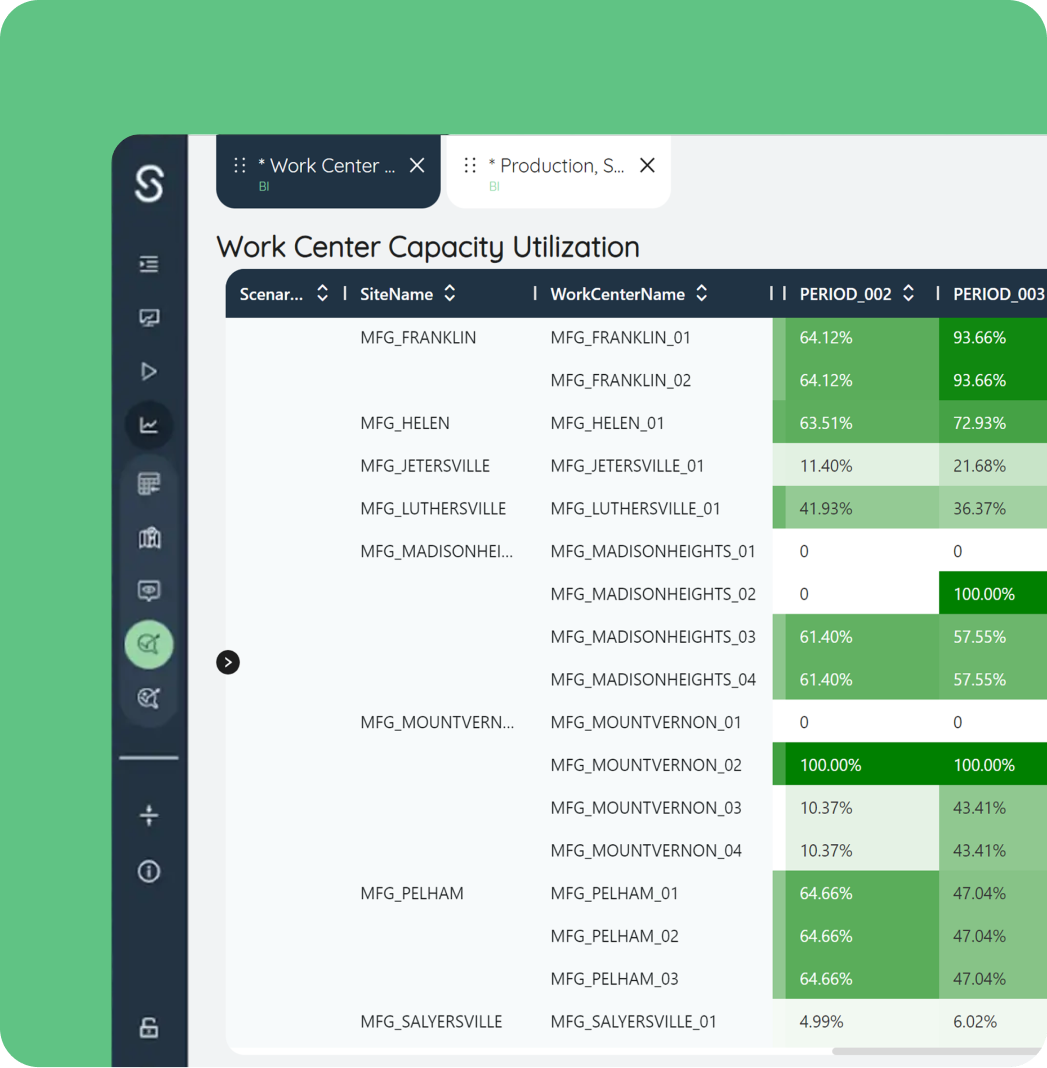
Demand Forecasting
Match production batch size to demand that’s actually coming.
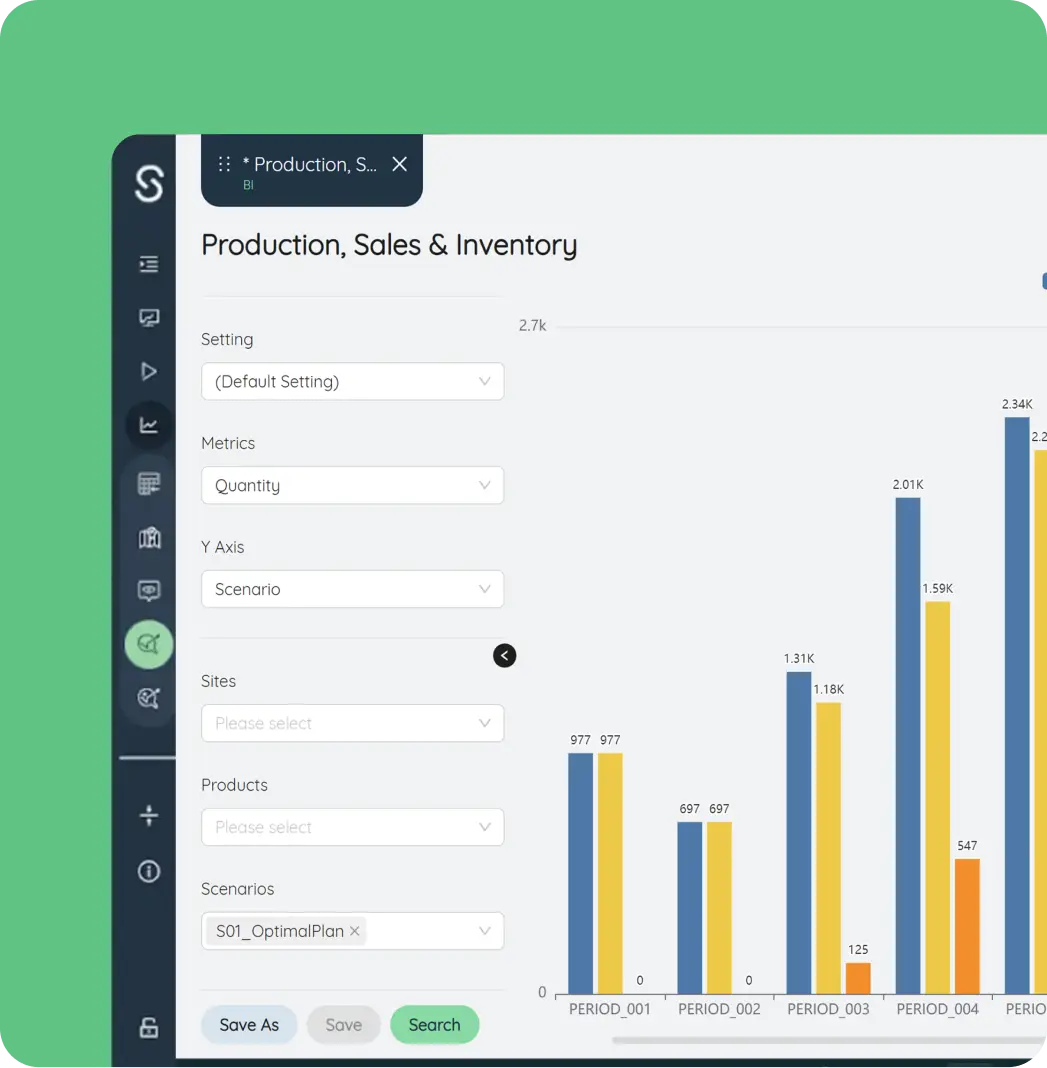
Sourcing Optimization
Choose suppliers and lead times that don’t eat into shelf life before it even starts.
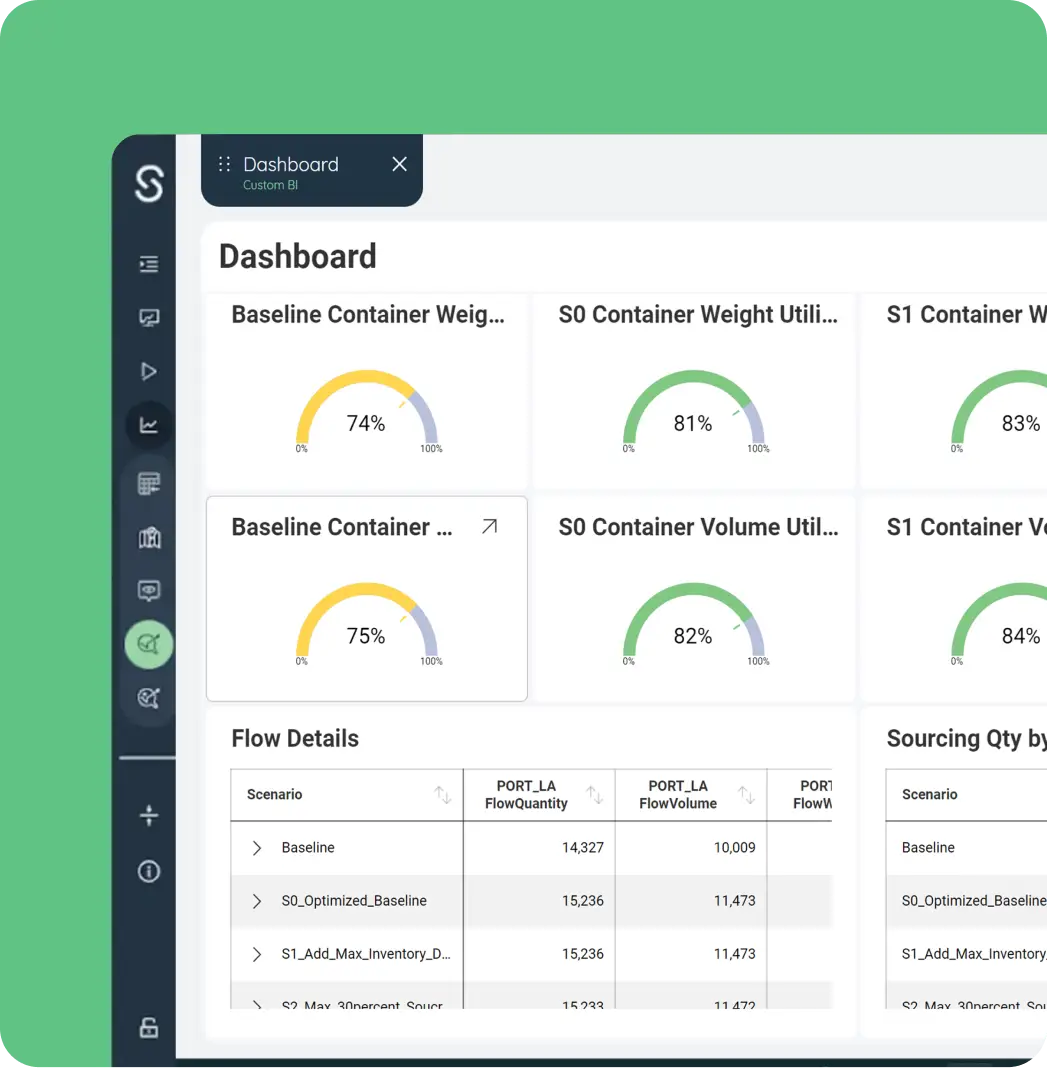
Cost to Serve
See the true cost of markdowns and write-offs behind every product.
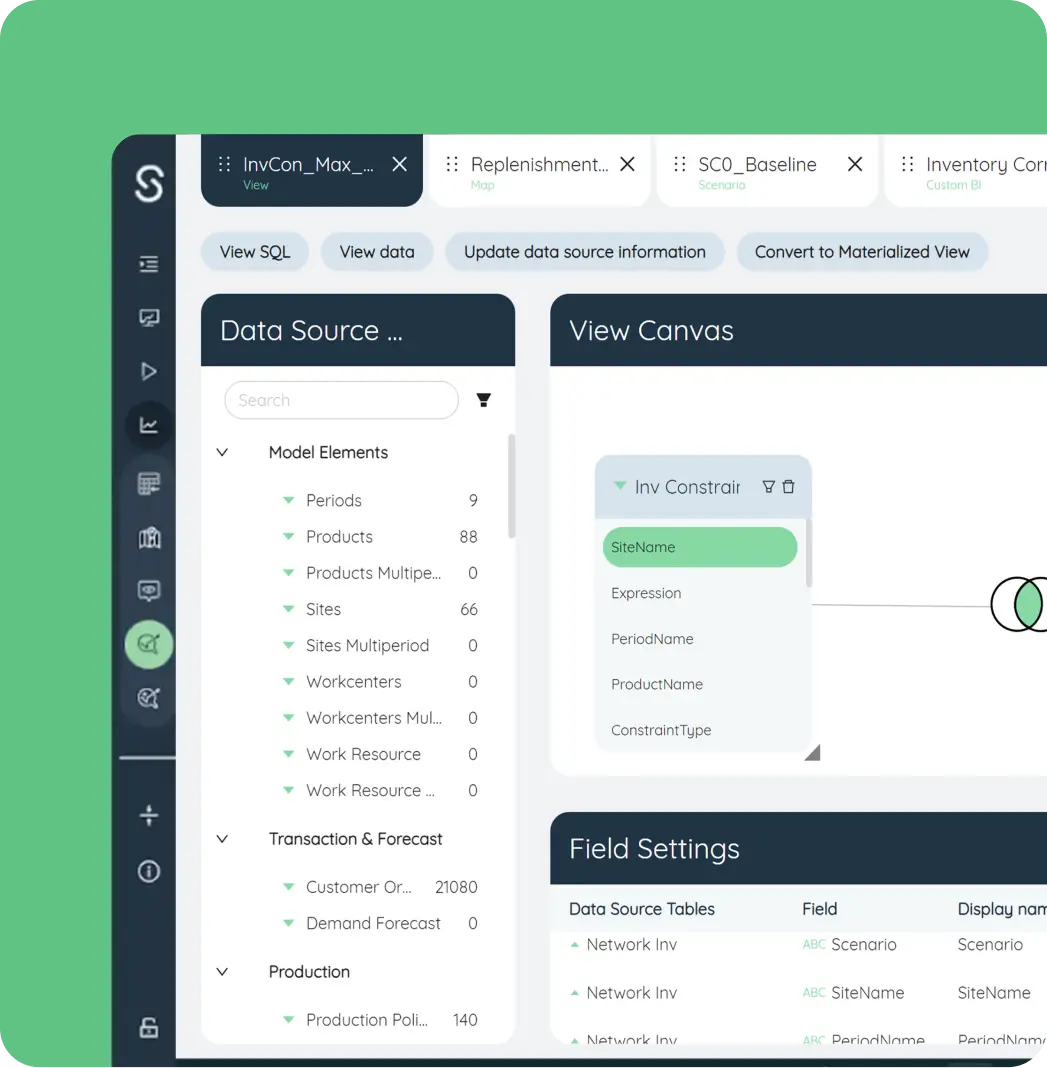
Supply Chain Network Digital Twin
See shelf life tracked as a live metric across your entire network.
FAQs
Ready To Put A Number On Shelf Life?
Stop finding out about shelf-life losses at the markdown rack. Get a simulation that shows the cost before it happens, and the policy that prevents it.