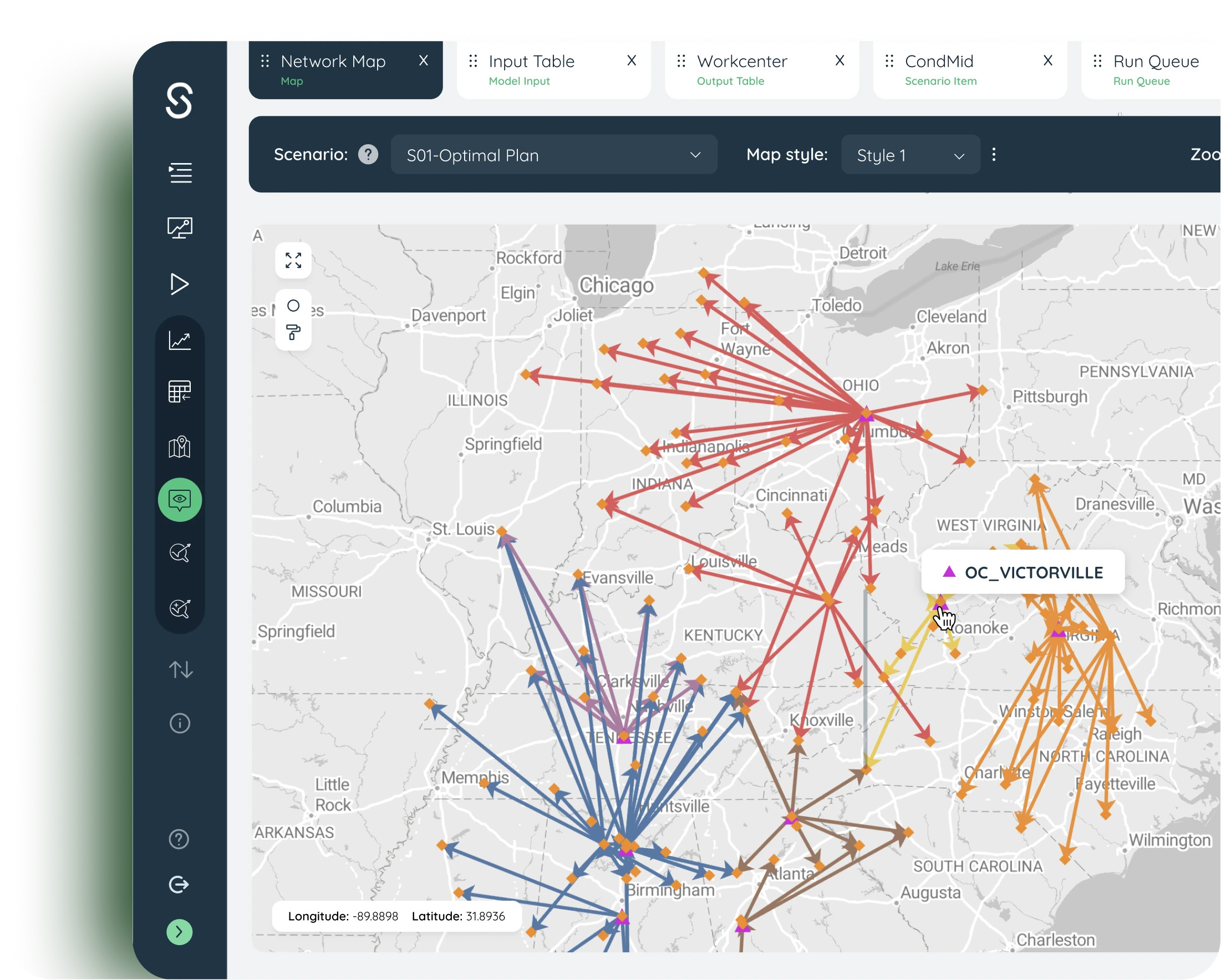

Supply Chain Network Digital Twin
See your network before it moves.
Faster
Time to answer drops 3–5× against the legacy approach .
Leaner
As-is baseline builds shrink from 8–10 weeks to a few days.
Unified
Every team plans from the same live decision model.
Sharper
Decisions run on current data, not a quarter-old financial report.
Trusted by Growing Companies at Every Stage of Network Design Maturity









Why most supply chain network digital twins are already out of date
Everyone wants a digital twin. Almost nobody can build and maintain one fast enough for it to still be useful by the time it’s done.

Data silos
Procurement, logistics, Production, and planning all run on different systems/data models. The result is a fragmented view of the supply chain and decisions built on numbers that do not agree with each other.

Complexity in building one
A traditional baseline takes 8 to 10 weeks to build. By the time it’s ready, the network underneath it has already moved on.

Static models go stale fast
A twin that isn’t updated live can’t warn you about anything. It just shows last year’s Supply Chain while today’s risks build up unseen.
Sophus as a Solution
One LIVE Model of Your Entire Supply Chain Network
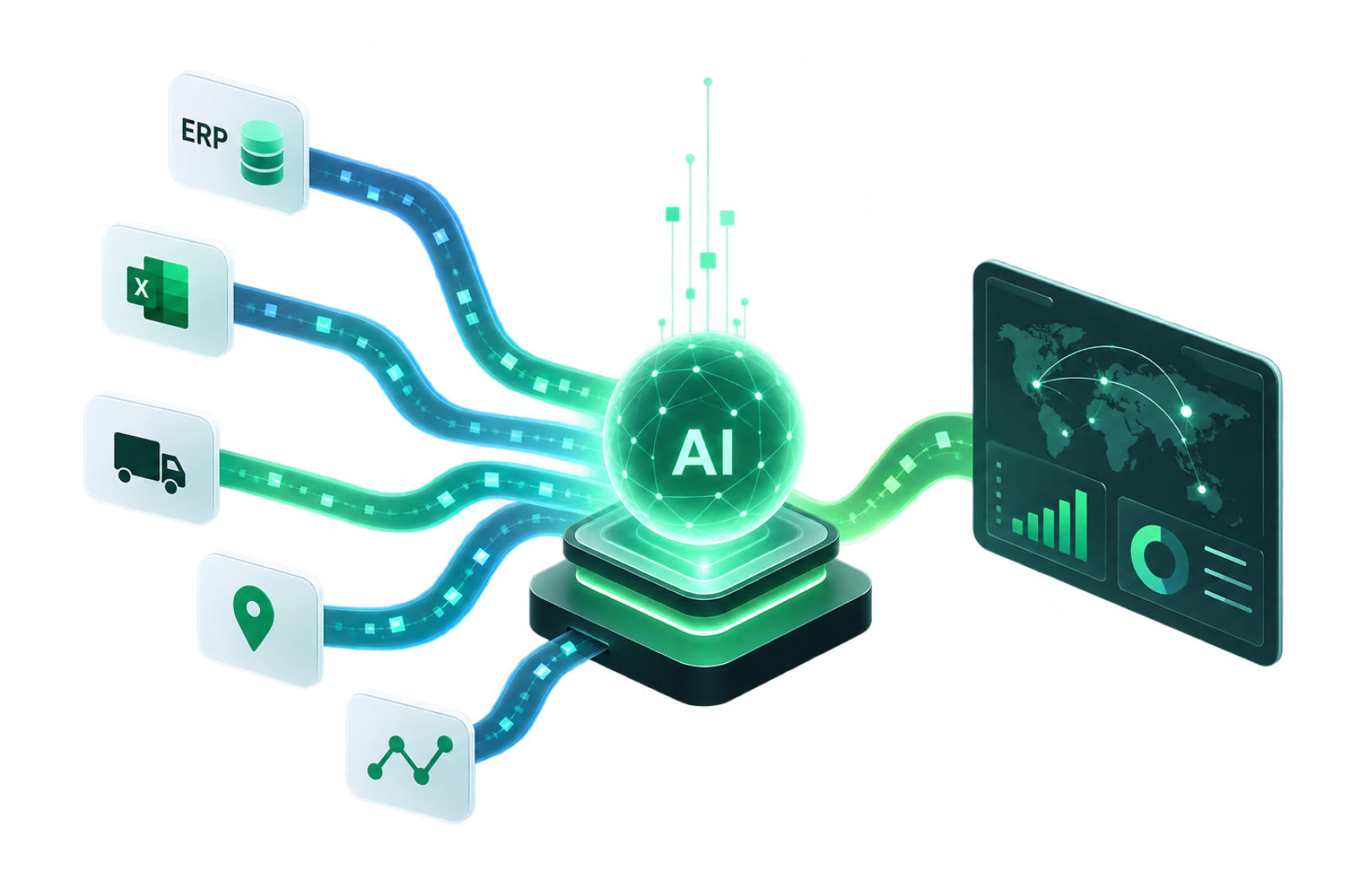
AI-powered data integration
Sophus pulls together data from across your supply chain into one model, so you’re working from a single, trustworthy view from day one.
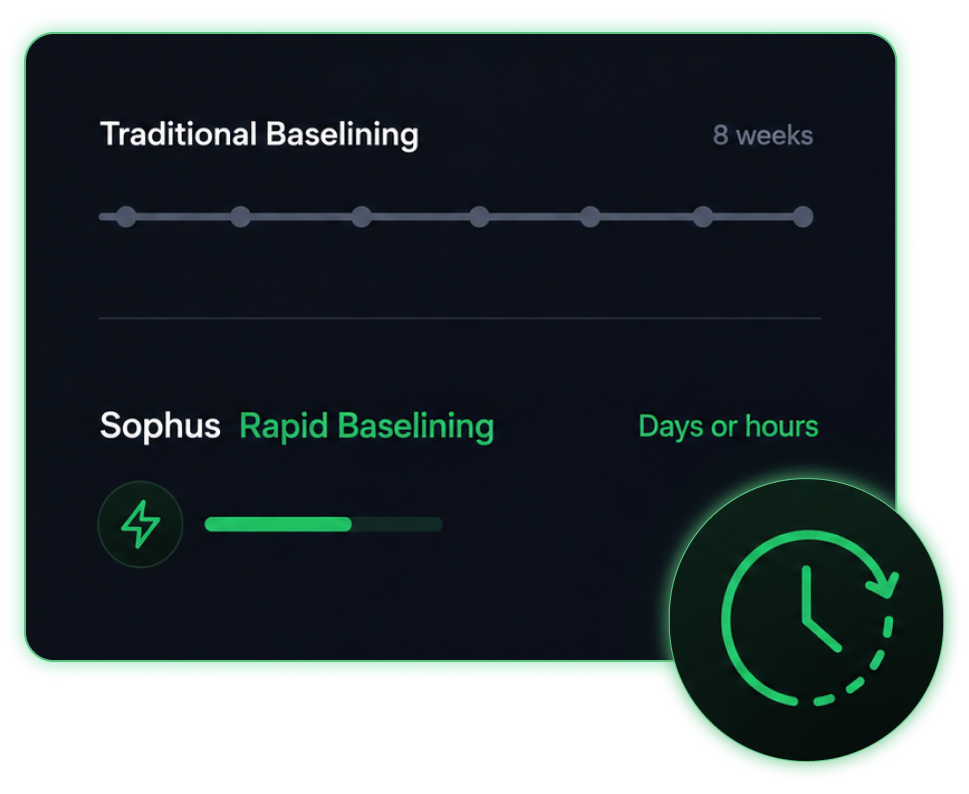
Rapid Baselining
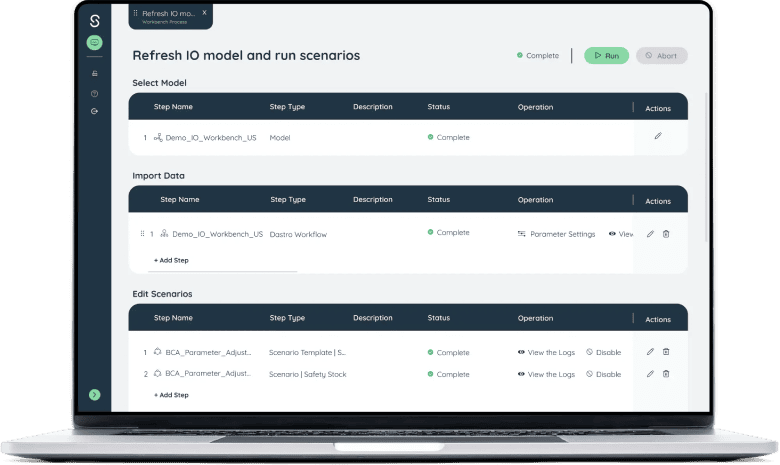
Sophus’s Rapid Baselining feature (powered by Dastro) reduces the baseline-building process from 8 weeks to just a few days or hours.
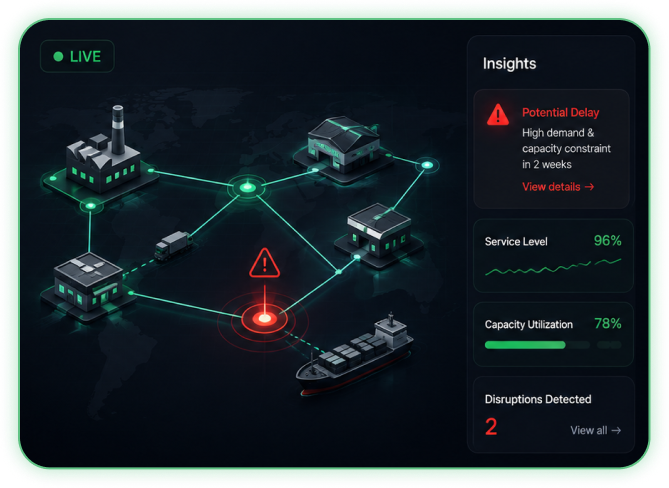
Live Digital Twin
A live replica of your network, run inside Sophus X, watching for problems and flagging what’s coming before it hits.
Under the Hood
How an 8-week effort becomes an overnight one
Network Design Platform
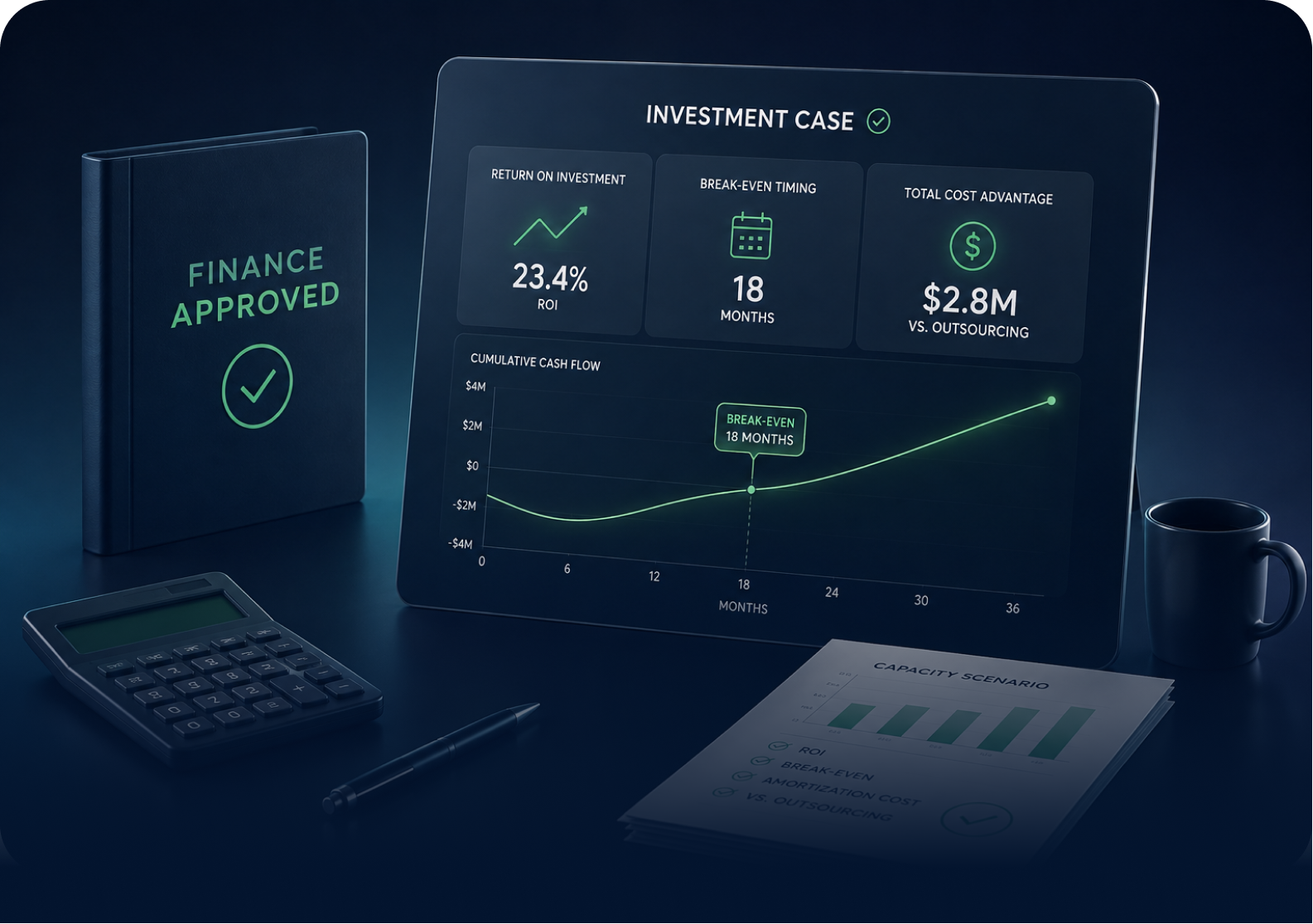
Sophus X: The twin that runs what-if scenarios for you
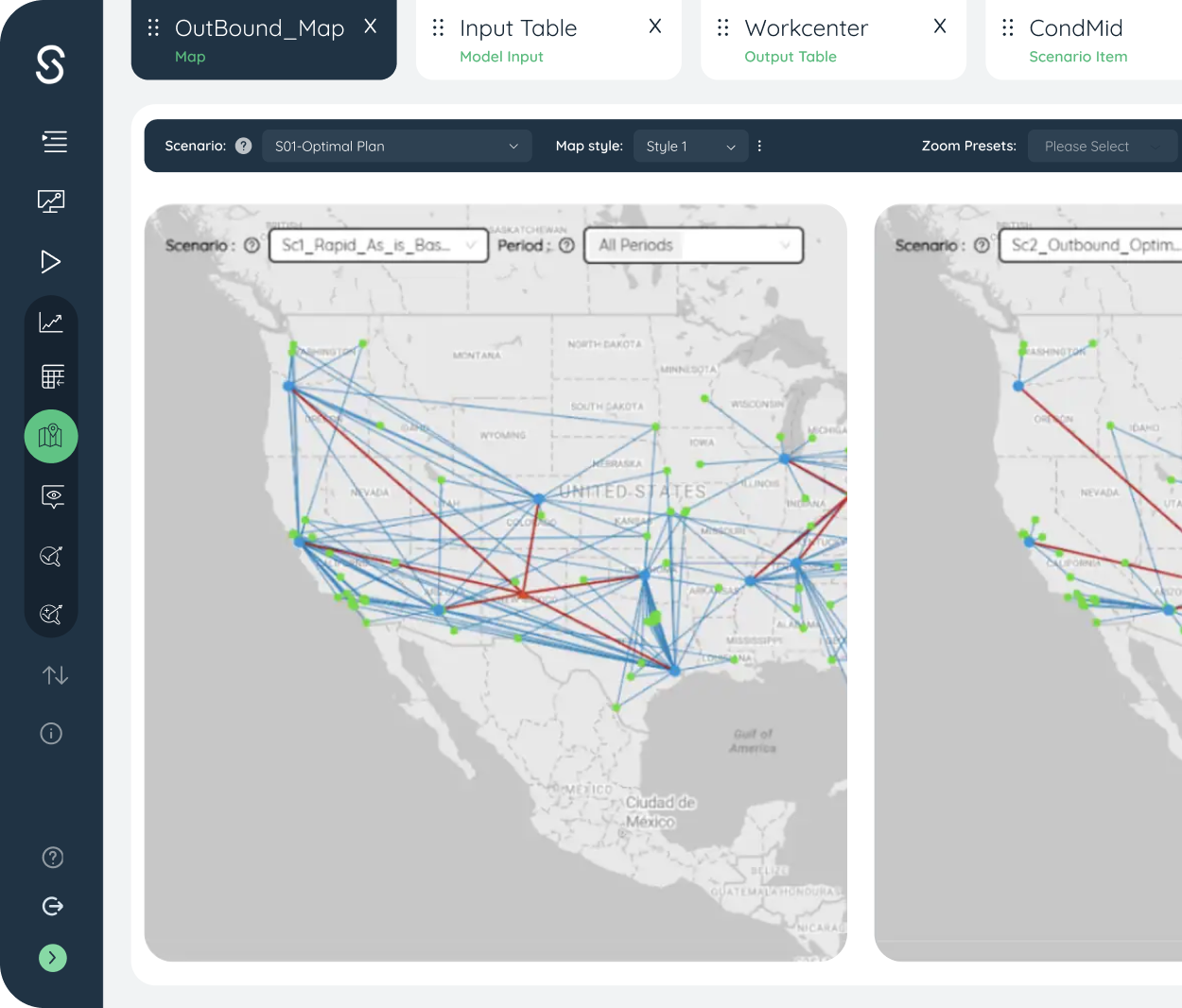
Sophus X is an AI-native supply chain network design platform. It maps your entire network, balances inventory, plans production, and tests what-if scenarios directly against the twin.

Simulate demand shifts, supply disruptions, or transport rerouting before they happen.
Run algorithms across inventory, production scheduling, capacity planning, and transportation routes.

Test the cost and service impact of a decision, like converting a retail store into a last-mile hub or shifting factory capacity.
Data Automation Layer
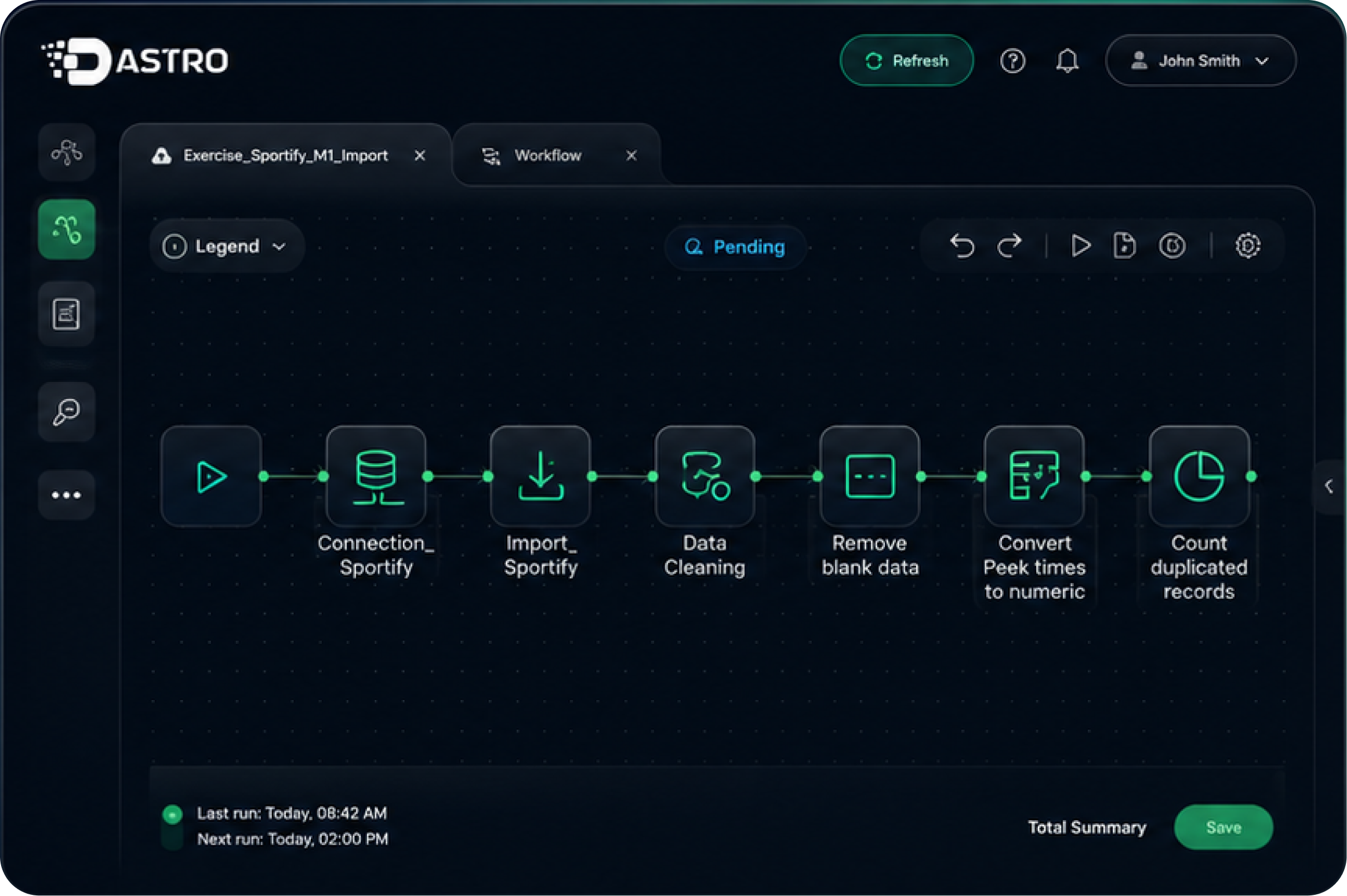
Dastro:The reason baselining takes weeks, not months
Dastro is Sophus’s ETL and data management layer, built into Sophus X to automate the data work a digital twin runs on.

Extracts and cleans data from ERPs, financial systems, and IoT devices without a manual pull.

Scheduled updates
Set a refresh window, for example every morning at 5 AM, so planners start the day with current data.

System translation
Exports model results to other databases or converts legacy supply chain models into Sophus X format.
What a LIVE twin of your supply chain network changes day to day

3-5X
Faster time to answer
A fast, easy way to create the supply chain network digital twin model and get answers in a fraction of the time.
Advanced
Scenario modeling
A real-time view of the entire network lets you simulate what-if scenarios proactively, not after the fact.
✓
Proactive network management
Real-time model refresh and predictive analytics catch risks and inefficiencies before they become costly.
Related Solutions
The twin is the foundation, not the finish line
Once your network is mirrored, it becomes the shared foundation for every one of these decisions.
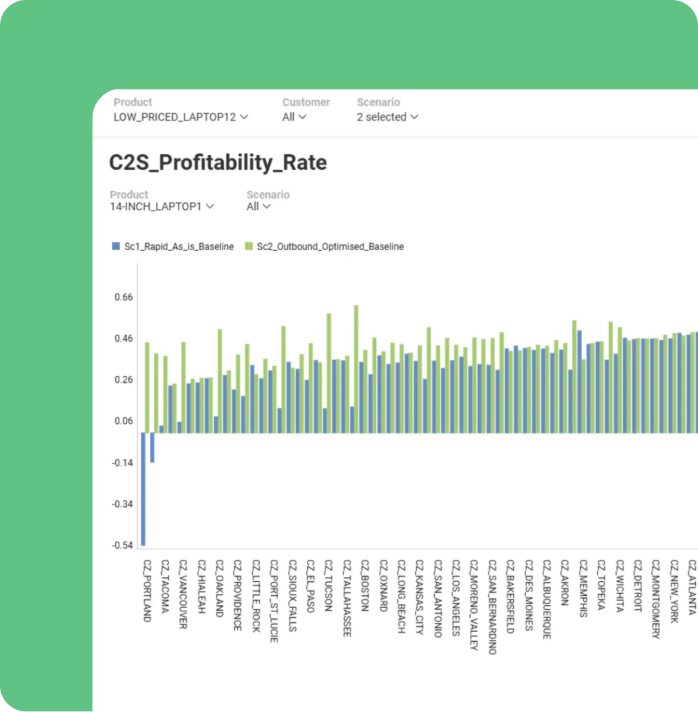
Cost to Serve
See exactly what the twin reveals about margin, by customer, channel, and order.
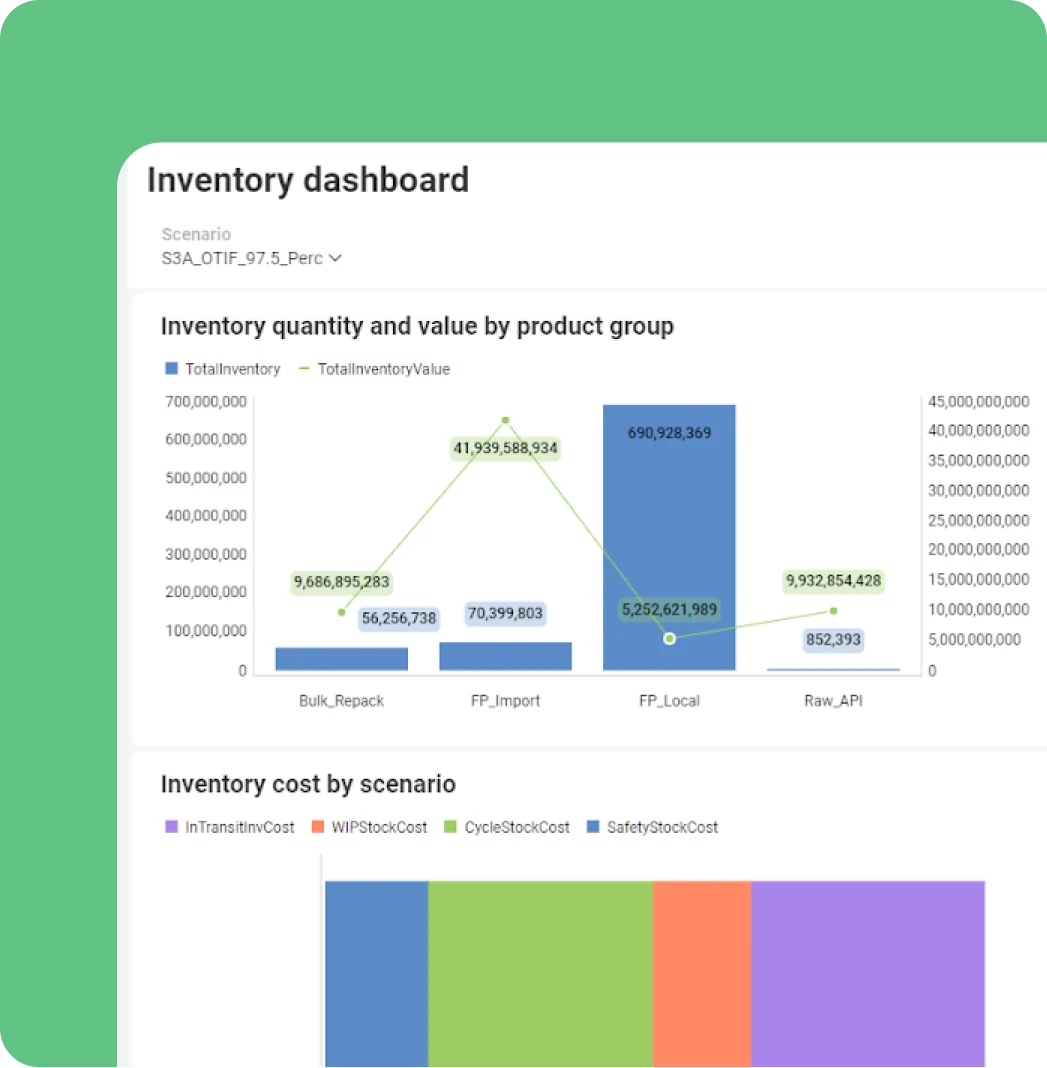
Inventory Optimization
Turn network visibility into where, how much, and when to stock.
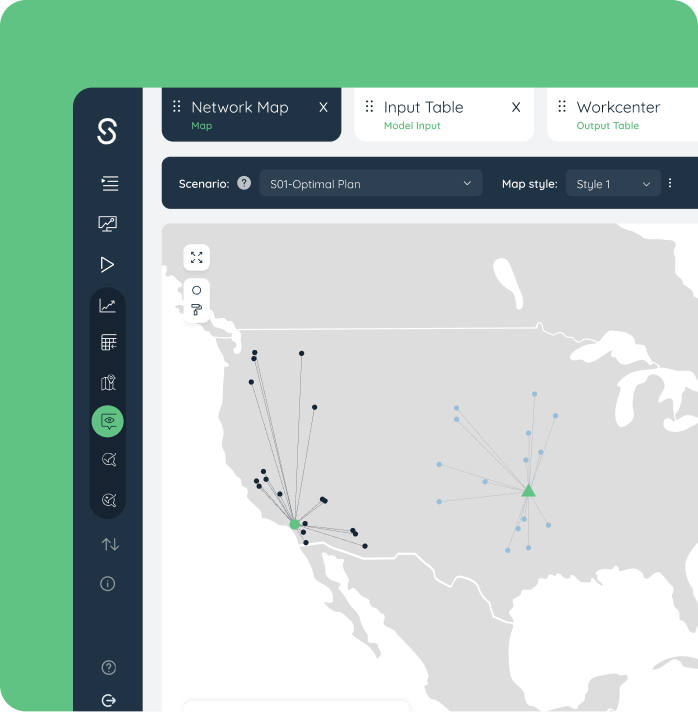
Supply Network Planning
Use the twin to test network redesigns before you commit capital.
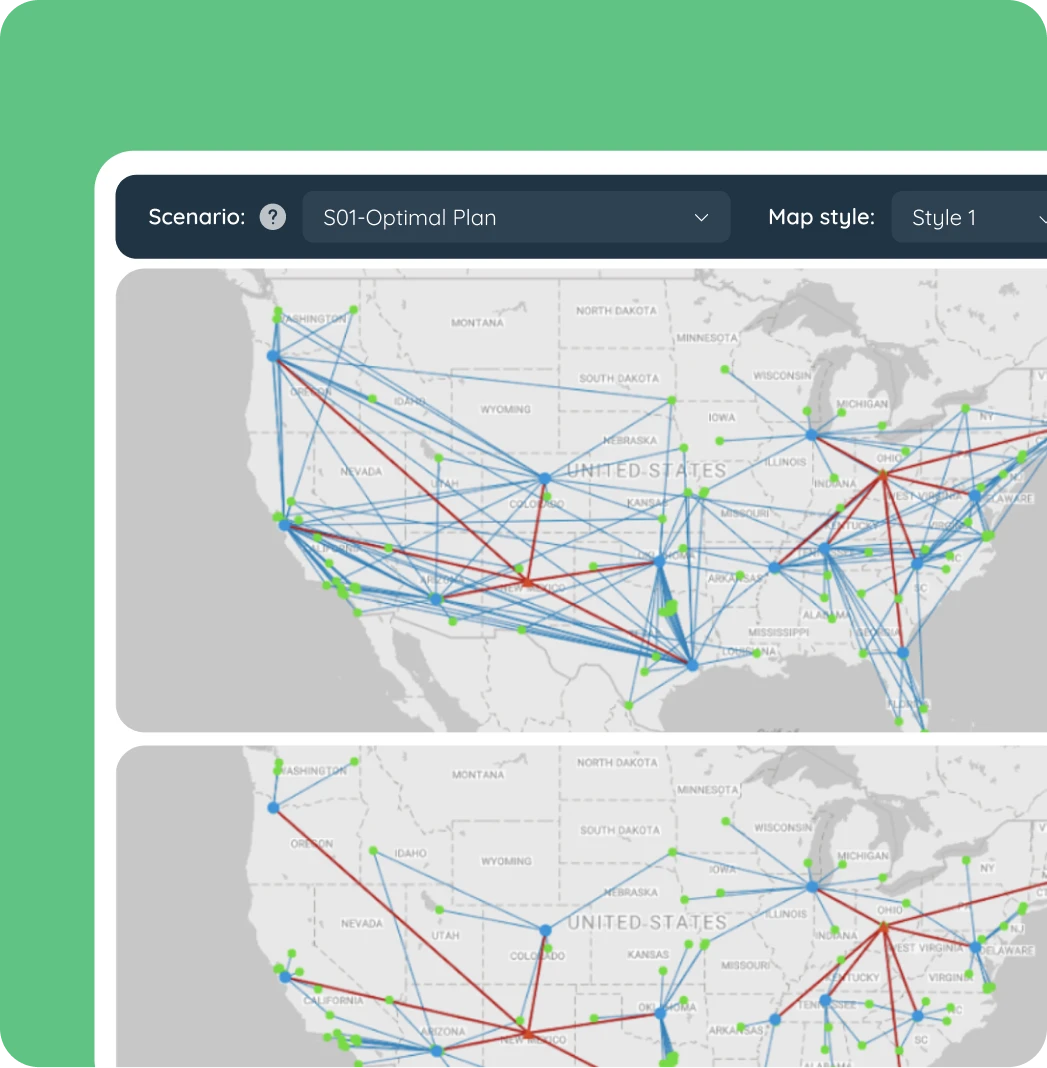
Supply Chain Risk & Resilience
Stress-test the twin against disruption scenarios before they happen.
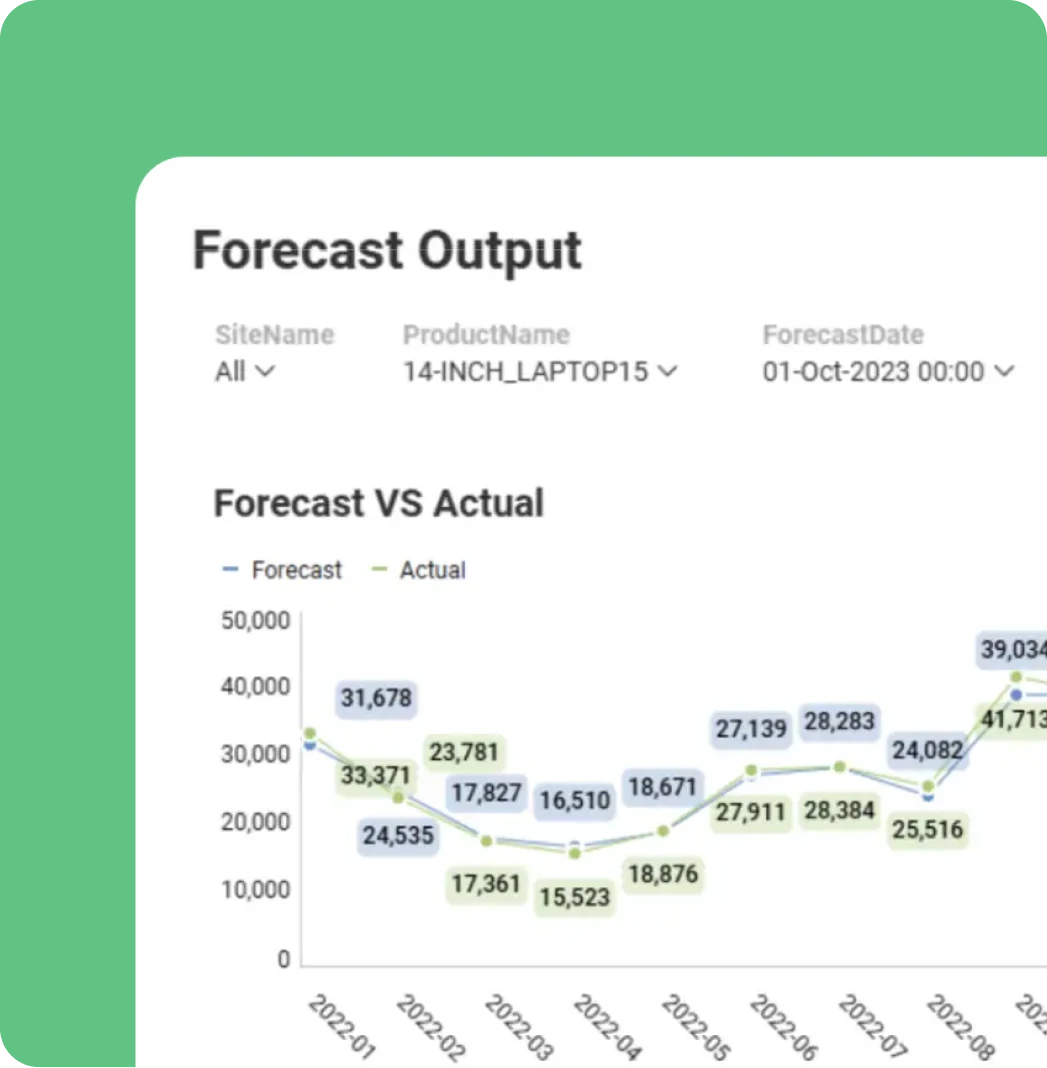
Demand Forecasting
Feed the twin sharper demand signals, so every what-if scenario starts from a realistic baseline.
Freight Consolidation
Simulate consolidated routes and loads inside the twin before you renegotiate a single lane.
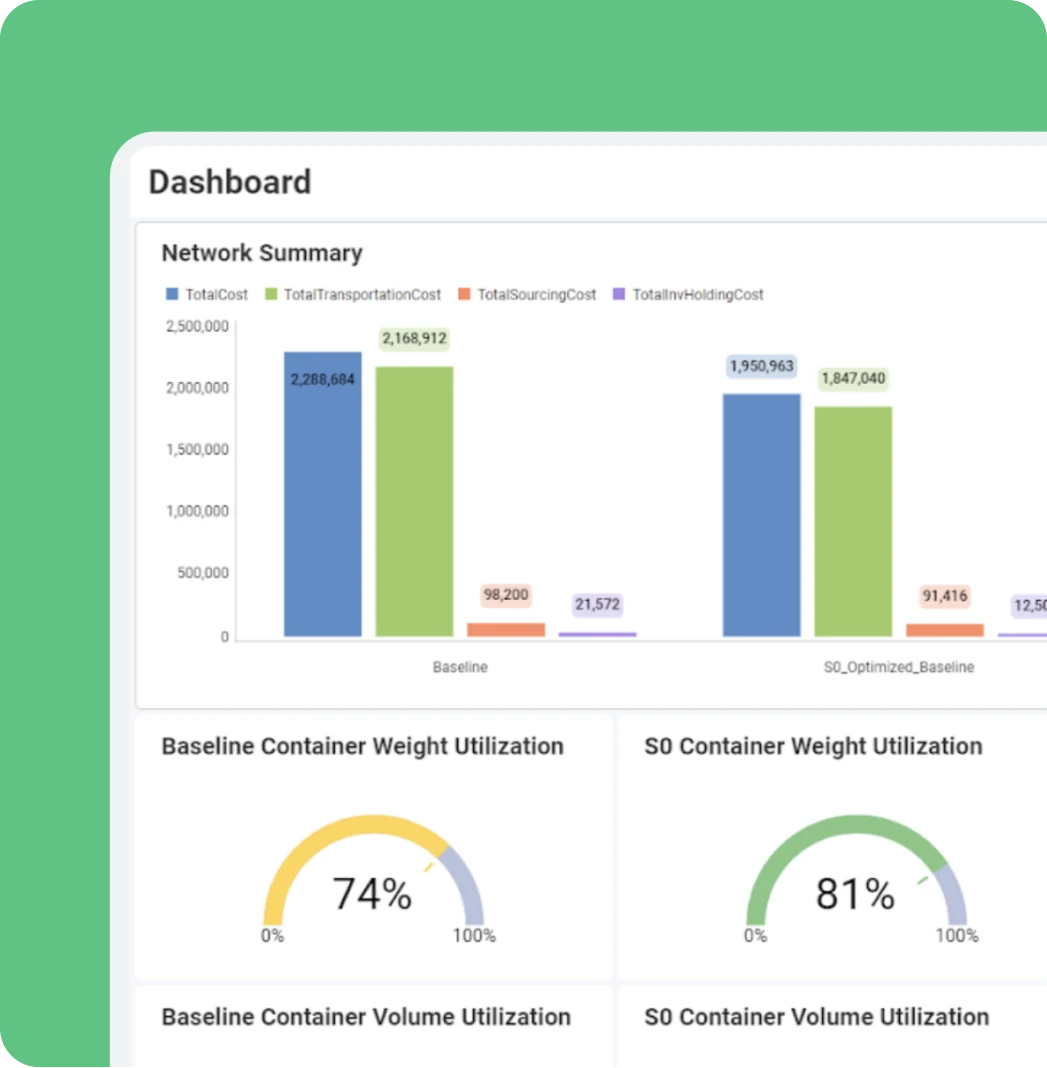
GHG Emission Modeling
Model the carbon impact of a network change in the same scenario you’re already running.
What Verified Users Say on Gartner

4.8 ratings on Gartner Peer Insight
FAQs