
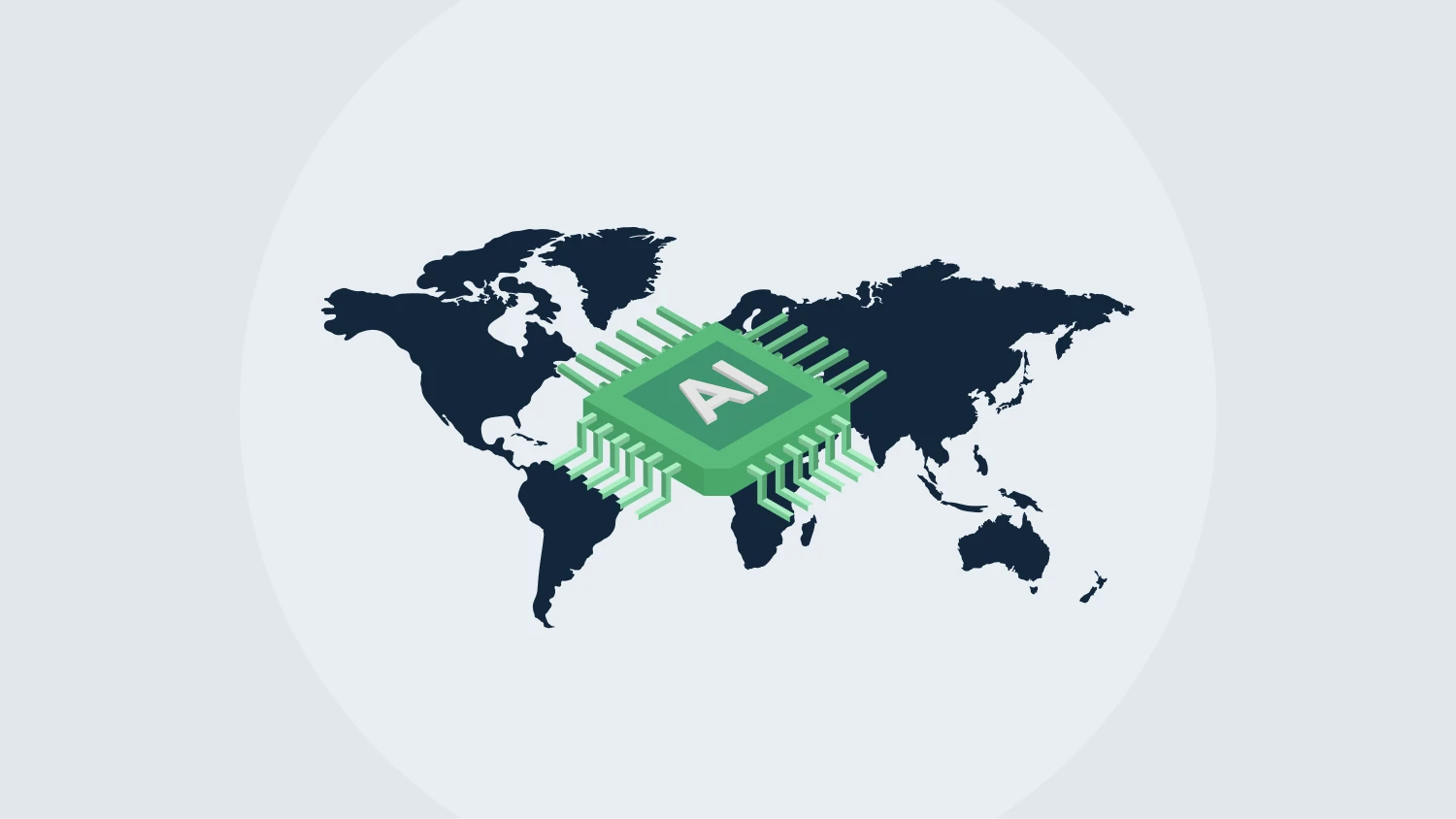
The global semiconductor supply chain is under a new kind of pressure. This time, the trigger is not factory shutdowns or shipping delays. It is the rapid buildout of AI infrastructure. Demand for AI-ready chips is rising faster than suppliers can rebalance capacity, and the strain is now spilling into multiple industries.
Chipmakers also keep posting strong numbers. In 2025, TSMC noted that advanced chips at 7-nanometer and below made up 77% of its total wafer revenue for the quarter, reflecting how strongly AI servers are shaping demand. Yet even with this momentum, delivery timelines have become harder to predict. Output alone does not solve the problem anymore.
The real constraints now sit in chip mix, advanced packaging, stacked memory, and the supporting components that complete final modules.
In this blog, we will break down where the bottlenecks are forming, why they are moving downstream, and what supply chain teams can do to plan around these shifts with more confidence.
The Bottleneck Has Shifted Beyond Fabrication
For years, wafer fabrication was the main constraint in semiconductor supply chains. That is changing. Foundries are expanding capacity, but AI systems depend on advanced packaging, high-bandwidth memory, and tightly integrated modules. These steps take longer, require specialized equipment, and rely on a much smaller pool of suppliers.
As a result, servers are often delayed even when chips are technically available. Packaging and assembly have become the pacing factor, not silicon output. This shift has caught many buyers off guard, especially those accustomed to sourcing standard memory and processors with predictable lead times.
Memory Markets Are Being Rewritten by AI
One of the clearest pressure points is memory. AI workloads rely heavily on high-bandwidth memory, which is produced in limited volumes and requires complex manufacturing processes. Suppliers are reallocating capacity toward these products, leaving less room for traditional DRAM and flash memory.
That reallocation is tightening supply elsewhere. Buyers who do not need AI-grade memory are still feeling the impact through higher prices and longer waits. This is not a temporary shortage. It reflects a structural change in how memory capacity is prioritized.
Raw Materials Are Now Part of the Risk Equation
The strain does not stop at chips. AI infrastructure requires massive amounts of supporting materials, especially copper. Data centers, power systems, and networking equipment are all copper-intensive, and demand is rising faster than supply can expand.
Unlike past commodity spikes, this demand is tied to long-term infrastructure build-out. Even if AI adoption slows, much of the investment is already committed. That means sustained pressure on material availability and pricing, which feeds back into manufacturing and logistics costs.
The Impact Is Spreading Across Industries
While AI and cloud providers were first to feel the effects, the disruption is no longer limited to tech. Automotive manufacturers, industrial equipment makers, and consumer electronics firms are all seeing knock-on effects from constrained components and shifting supplier priorities.
Lead times are extending. Allocation rules are tightening. Production plans are becoming harder to lock down months in advance. For supply chain teams, this creates planning risk that cannot be solved through procurement tactics alone.
Governments Are Investing, but Capacity Takes Time
In response, governments are committing billions to domestic semiconductor production. These investments are aimed at reducing long-term dependency and improving resilience. However, new fabs and packaging facilities take years to come online.
In the short to medium term, supply chains must operate within existing constraints. That makes visibility, flexibility, and network design decisions more important than headline capacity announcements.
Why Network Design Is Becoming the Real Differentiator
The current strain highlights a deeper issue. Many supply chains were designed for stable demand patterns and incremental growth. AI is neither stable nor incremental. It creates sharp demand shifts, concentrated sourcing, and new bottlenecks that move quickly.
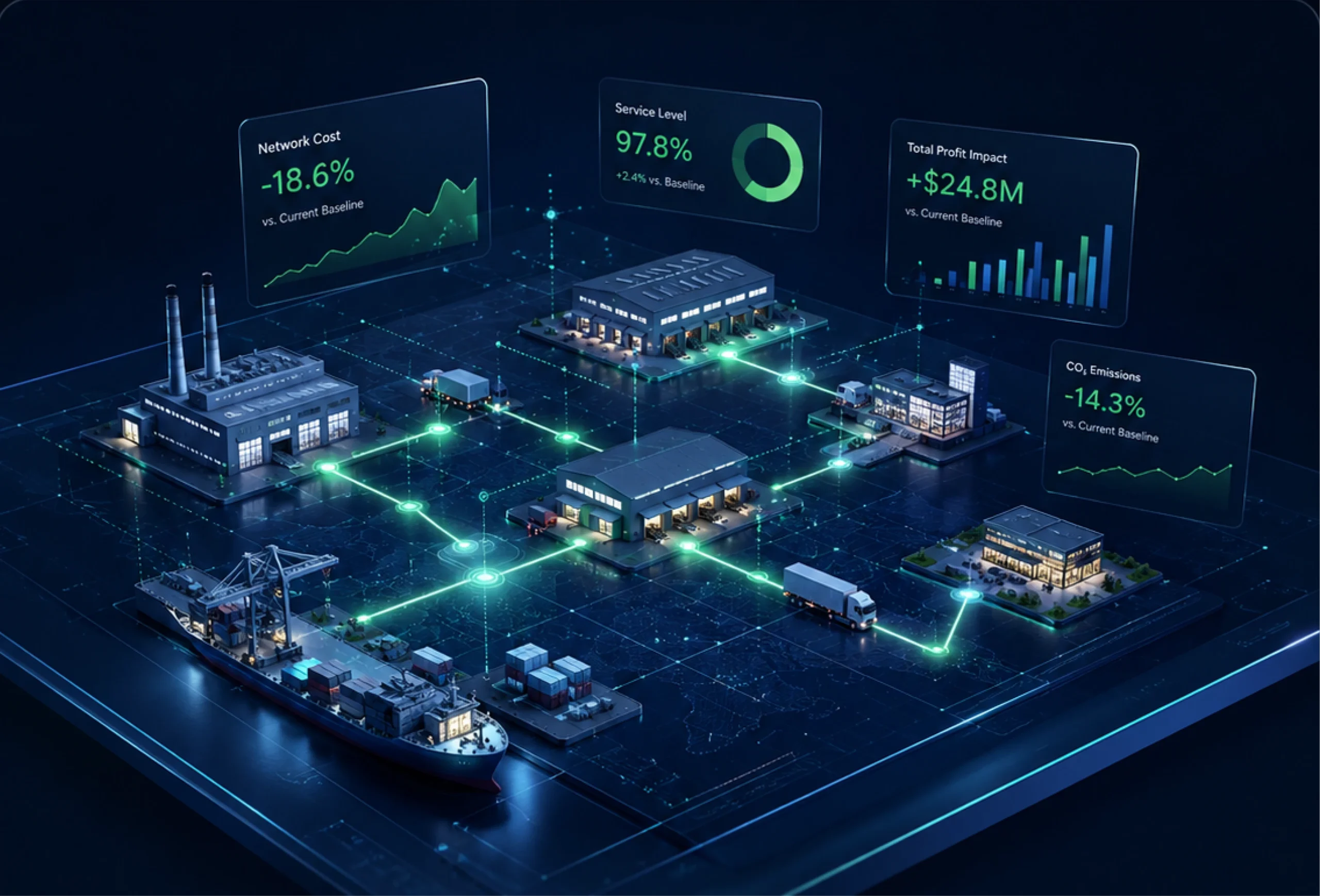
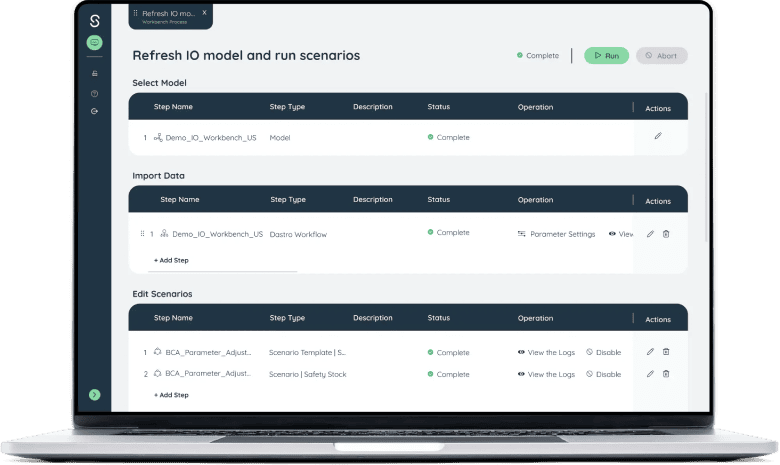
The companies best positioned to navigate this environment are those that can model their supply chains end to end, test alternative sourcing and production scenarios, and understand where constraints will emerge next. Supply chain network design software like Sophus support this by enabling scenario-based network design rather than reactive planning.
A Structural Shift, Not a Short-Term Disruption
AI chip demand is not creating a temporary imbalance. It is accelerating a structural change in how semiconductor and infrastructure supply chains operate. Bottlenecks are moving downstream. Material constraints are becoming strategic. Planning horizons are stretching.
For supply chain leaders, the question is no longer how fast suppliers can add capacity. It is how well the network can adapt as demand, technology, and constraints evolve at the same time.